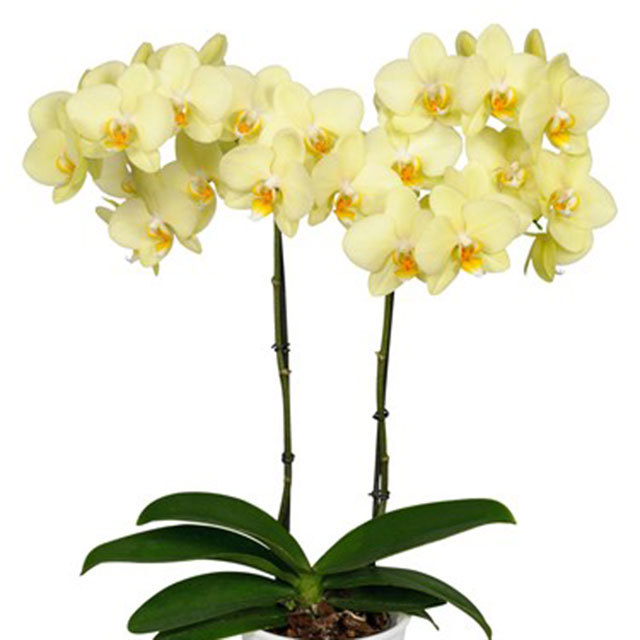
Phalaenopsis Alassio Fine Webbing
eco Fine Webbing

Phalaenopsis Alassio – Fine Webbing

Why does your Phalaenopsis Alassio have fine webbing? Diagnose the cause and fix it with our step-by-step guide.

pets Pet Friendly

search Possible Causes

error

Spider Mites (Tetranychidae)

The fine webbing is a classic sign of spider mite infestation, where tiny arachnids spin webs to protect themselves and trap prey. In Phalaenopsis orchids, they typically feed on the undersides of leaves, causing stippling or chlorosis.

Very Common
lightbulb
How to confirm: Hold a white piece of paper under a leaf and tap it firmly to see if tiny crawling dots fall onto the paper.
build How to fix it
shopping_cart Recommended Products
1 Immediately spray the plant, especially the undersides of leaves, with an organic insecticide to kill existing mites and larvae.
2 Wipe the leaves with a damp cloth to physically remove webbing and dislodge remaining pests.
3 Increase humidity around the orchid, as spider mites thrive in dry environments; consider using a pebble tray or moisture-retaining substrate.
warning

Chela/Spider Mite Mites (Varroa-like arachnid activity)

In high humidity or low airflow environments, certain micro-arachnids can create silk-like structures. This is often accompanied by a dusty appearance on the orchid's foliage.

Common
lightbulb
How to confirm: Inspect the leaf axils and junctions for clusters of small, moving organisms within the webbing.
build How to fix it
shopping_cart Recommended Products
1 Isolate the orchid immediately and spray the foliage thoroughly with an organic insecticide/miticide to eliminate the spider mites and their webbing.
2 Increase airflow around the plant using a small fan and wipe the leaves with a damp cloth to remove dust and any remaining silk structures.
3 Repot the orchid in a fresh, well-draining medium like orchid bark to ensure the root zone remains healthy and free of pests.
warning

High Humidity with Dust Accumulation

While not a biological pathogen, heavy dust on Phalaenopsis leaves combined with very high humidity can create a 'webby' or sticky appearance as fungal spores or mineral deposits bind to the leaf surface.

Common
lightbulb
How to confirm: Wipe a leaf with a damp cloth; if the webbing disappears and is simply grime, it is environmental rather than pest-related.
build How to fix it
shopping_cart Recommended Products
1 Gently wipe the leaves with a soft, damp cloth to remove dust and mineral buildup, which will help prevent fungal spores from adhering to the surface.
2 Improve air circulation around the orchid to prevent stagnant, high-humidity pockets that encourage webby residue.
3 If the webbing persists, treat the plant with an organic fungicide to eliminate any developing fungal issues.

Other Phalaenopsis Alassio problems

Your plant might also be experiencing one of these issues:

local_hospital All symptoms eco All plants with fine webbing
favorite