Phalaenopsis Antalya Tiny Black Flies
eco Tiny Black Flies

Phalaenopsis Antalya – Tiny Black Flies

Why does your Phalaenopsis Antalya have tiny black flies? Diagnose the cause and fix it with our step-by-step guide.

pets Pet Friendly

search Possible Causes

error

Fungus Gnats (Sciarid Flies)

The larvae of these flies live in the moist orchid bark and feed on organic matter or decaying root tissue. The adult flies emerge to lay eggs in the top layer of the medium, often attracted by high humidity and frequent watering cycles typical for Phalaenopsis.

Very Common
lightbulb
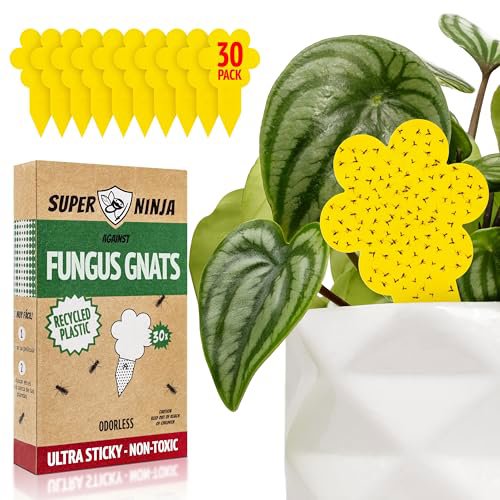
How to confirm: Set up a yellow sticky trap near the orchid pot to confirm the presence of flying adults.
build How to fix it
shopping_cart Recommended Products
1 Apply a biological control method to eliminate adult flies and larvae; use yellow sticky traps to capture adults and a targeted spray to reduce the population.
2 Reduce watering frequency and allow the orchid medium to dry out more between waterings to disrupt the larvae's moist habitat.
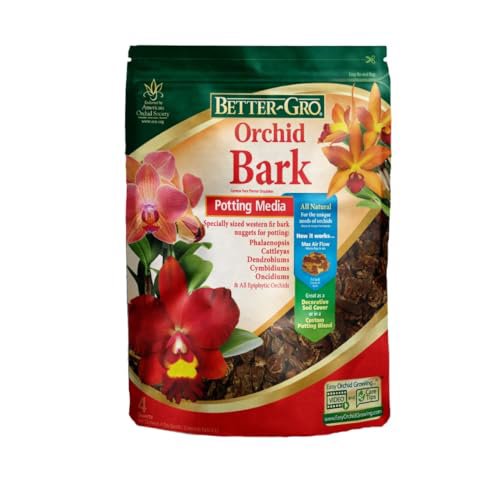
3 Repot the orchid in fresh, well-draining medium like orchid bark to remove existing larvae and organic matter from the old substrate.
warning

Sapremia (Larval Root Decay)

While not a direct cause of flies, the presence of flies often indicates that the Phalaenopsis medium is too wet, leading to anaerobic conditions. This promotes fungal growth which serves as the primary food source for fungus gnat larvae.

Common
lightbulb
How to confirm: Gently lift the orchid from its pot to check if the bark feels soggy or smells like sulfur/rot.
build How to fix it
shopping_cart Recommended Products
1 Reduce watering frequency and allow the orchid medium to dry out significantly to disrupt the fungus gnat life cycle and prevent further root decay.
2 Apply a biological control method to eliminate existing larvae and adults, such as using yellow sticky traps to capture flying insects.
3 Repot the orchid in a fresh, well-draining medium like orchid bark to restore aeration and eliminate the organic matter attracting pests.
warning

Scale Insects (Early Stage Infestation)

In some cases, what appear to be tiny black flies may actually be tiny black scale insects or their mobile stages. These pests suck sap from the Phalaenopsis leaves and can sometimes be mistaken for small flying insects if they are moving near the plant surface.

Common
lightbulb
How to confirm: Inspect the underside of the leaves and the base of the petals for any stationary, hard, dark bumps.
build How to fix it
shopping_cart Recommended Products
1 Apply an organic insecticide spray to eliminate the mobile stages of the scale infestation and protect healthy plant tissue.
2 Inspect the undersides of leaves and crevices for any remaining scale insects and wipe them away with a soft cloth.
3 Ensure the orchid is potted in a well-draining medium like orchid bark to prevent the moist conditions that attract secondary pests.

Other Phalaenopsis Antalya problems

Your plant might also be experiencing one of these issues:

local_hospital All symptoms eco All plants with tiny black flies
favorite