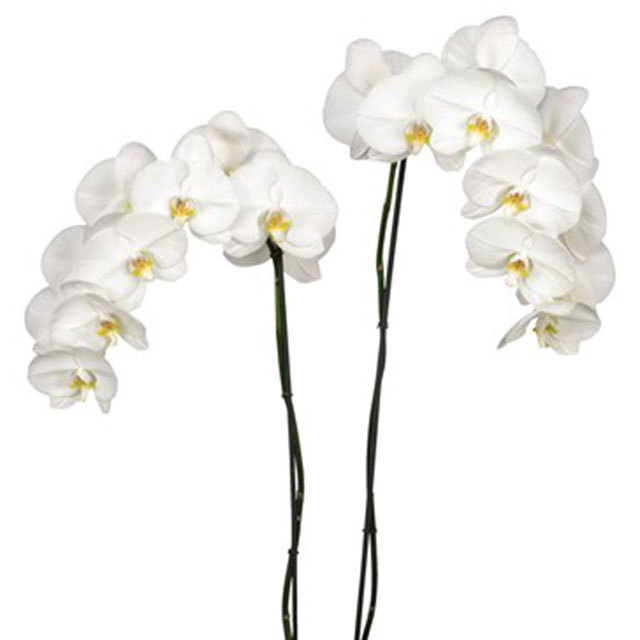
Phalaenopsis Beijing Sudden Leaf Drop
eco Sudden Leaf Drop

Phalaenopsis Beijing – Sudden Leaf Drop

Why does your Phalaenopsis Beijing have sudden leaf drop? Diagnose the cause and fix it with our step-by-step guide.

pets Pet Friendly

search Possible Causes

error

Root Rot due to Overwatering

Excessive moisture in the substrate leads to anaerobic conditions, causing the roots of the Phalaenopsis to decay. When roots die, the plant can no longer transport water to the leaves, triggering a stress response that results in sudden leaf abscission.

Very Common
lightbulb
How to confirm: Gently lift the orchid from its pot and check if the roots are brown and mushy instead of firm and green.
build How to fix it
shopping_cart Recommended Products
1 Immediately remove the orchid from its current pot and trim away all mushy, brown, or blackened roots using sterilized shears.
2 Repot the plant in a fresh, highly aerated medium like organic orchid bark to ensure proper drainage and oxygen flow to the remaining healthy roots.
3 Use a moisture meter to monitor the substrate, ensuring you only water when the medium is nearly dry to prevent future anaerobic conditions.
error

Temperature Shock

Phalaenopsis orchids are tropical plants that thrive in stable temperatures. A sudden drop in temperature, especially exposure to drafts or frost, can trigger an emergency physiological response where the plant sheds leaves to conserve energy.

Very Common
lightbulb
How to confirm: Check if the plant was recently moved near a window, air conditioning vent, or a drafty door.
build How to fix it
shopping_cart Recommended Products
1 Immediately move the orchid to a stable, draft-free environment with consistent temperatures between 65°F and 80°F to prevent further stress.
2 Monitor the soil moisture closely using a moisture meter to ensure the plant does not experience extreme dehydration or waterlogging during this recovery phase.
3 Repot the orchid in a fresh, well-draining medium like orchid bark to promote healthy root development and recovery.
warning

Bacterial Soft Rot (Erwinia)

Bacterial infections can quickly colonize leaf tissue, especially if water is trapped in the crown. As the infection spreads, the cellular structure of the leaves collapses, leading to rapid wilting and dropping.

Common
lightbulb
How to confirm: Inspect the base of the fallen leaves or the leaf crown for any dark, water-soaked, or foul-smelling lesions.
build How to fix it
shopping_cart Recommended Products
1 Immediately remove and discard all infected or mushy leaves to prevent the bacteria from spreading to healthy tissue.
2 Sterilize your cutting tools with alcohol and ensure no water remains trapped in the plant's crown or leaf axils after watering.
3 Repot the orchid in a fresh, well-draining medium like orchid bark to eliminate any bacteria residing in the old substrate.
warning

Extreme Dehydration

While less common than overwatering in indoor settings, if the medium has become completely desiccated and bone-dry, the Phalaenopsis will shed leaves to reduce transpiration surface area.

Common
lightbulb
How to confirm: Check if the orchid roots appear shriveled and silvery-grey rather than plump and green.
build How to fix it
shopping_cart Recommended Products
1 Immediately soak the orchid's medium in water to rehydrate the roots and prevent further leaf loss.
2 Monitor the soil moisture levels closely using an analog meter to ensure the medium stays consistently moist but not waterlogged.
3 Apply a light feeding of liquid seaweed to help the plant recover from the physiological stress of dehydration.

Other Phalaenopsis Beijing problems

Your plant might also be experiencing one of these issues:

local_hospital All symptoms eco All plants with sudden leaf drop
favorite