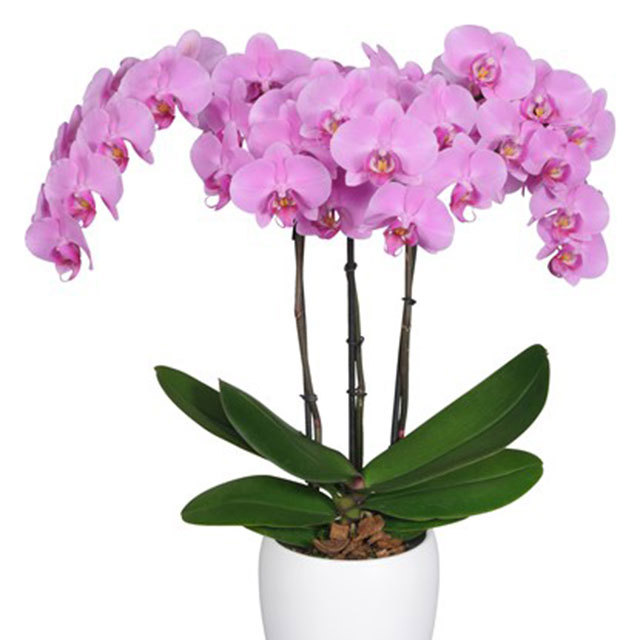
Phalaenopsis Bloomington Sticky Leaves
eco Sticky Leaves

Phalaenopsis Bloomington – Sticky Leaves

Why does your Phalaenopsis Bloomington have sticky leaves? Diagnose the cause and fix it with our step-by-step guide.

pets Pet Friendly

search Possible Causes

error

Scale Insect Infestation

Scale insects attach themselves to the Phalaenopsis leaves and suck sap, excreting a sugary substance known as honeydew which creates a sticky residue. This often leads to secondary issues like sooty mold growth on the leaf surface.

Very Common
lightbulb
How to confirm: Inspect the undersides of leaves and along the leaf margins for small, brownish, hard bumps that do not move.
build How to fix it
shopping_cart Recommended Products
1 Treat the orchid with an organic insecticide to eliminate the scale insects and prevent further sap extraction.
2 Gently wipe the sticky residue and any visible sooty mold from the leaves using a soft cloth and water to allow the plant to breathe.
3 Inspect the undersides of leaves and crevices for any remaining insect crawlers or eggs to ensure the infestation is fully controlled.
error

Aphid Infestation

Aphids are soft-bodied insects that congregate on new growth and flower buds of Phalaenopsis orchids, secreting honeydew as they feed. This sticky residue is often accompanied by curled or distorted new leaves.

Very Common
lightbulb
How to confirm: Look for tiny, pear-shaped green or black insects clustered near the center of the orchid crown or on tender new leaves.
build How to fix it
shopping_cart Recommended Products
1 Immediately treat the orchid with an organic insecticide to eliminate the aphid population and stop the production of honeydew.
2 Wipe the sticky residue and any visible insects off the leaves using a soft cloth dampened with water or insecticidal soap.
3 Inspect new growth and flower buds closely, and continue monitoring the plant to ensure no new aphids emerge.
warning

Mealybug Infestation

Mealybugs produce honeydew while feeding on the orchid's vascular system, leaving a sticky film. They are often found in the tight crevices between leaves or near the base of the plant.

Common
lightbulb
How to confirm: Search for small, white, cottony masses tucked into the leaf axils or at the base of the stem.
build How to fix it
shopping_cart Recommended Products
1 Inspect the crevices of the orchid leaves and the base of the plant for white, cottony clusters of mealybugs.
2 Treat the infestation by applying an organic insecticide spray to eliminate existing pests and larvae.
3 Wipe the sticky residue from the leaves with a soft cloth to prevent fungal growth and allow the plant to breathe.
warning

Excessive Fertilizer Residue

Over-application of liquid orchid fertilizers can leave concentrated mineral salts on the leaf surface. As the water evaporates, it leaves behind a tacky or crusty residue that feels sticky to the touch.

Common
lightbulb
How to confirm: Check if the stickiness is accompanied by white, powdery salt crusts around the edges of the leaves or on the potting medium.
build How to fix it
shopping_cart Recommended Products
1 Gently wipe the leaves with a soft, damp cloth to remove the concentrated mineral salt residue and prevent leaf burn.
2 Flush the potting medium with distilled or rainwater to wash away excess fertilizer salts from the root zone.
3 Repot the orchid in fresh, well-draining orchid bark to ensure no residual salts remain in the substrate.

Other Phalaenopsis Bloomington problems

Your plant might also be experiencing one of these issues:

local_hospital All symptoms eco All plants with sticky leaves
favorite