Phalaenopsis Boston Drooping Leaves
eco Drooping Leaves

Phalaenopsis Boston – Drooping Leaves

Why does your Phalaenopsis Boston have drooping leaves? Diagnose the cause and fix it with our step-by-step guide.

pets Pet Friendly

search Possible Causes

error

Root Rot (Overwatering)

Excessive moisture in the orchid bark or sphagnum moss causes roots to suffocate and decay. When roots rot, they can no longer transport water to the leaves, leading to a loss of turgor pressure and drooping.

Very Common
lightbulb
How to confirm: Gently lift the orchid from its pot to check if the roots are dark brown, mushy, or hollow instead of firm and green/white.
build How to fix it
shopping_cart Recommended Products
1 Remove the orchid from its current container and carefully trim away all mushy, brown, or blackened roots using sterilized shears.
2 Repot the orchid in a fresh, well-draining medium specifically designed for epiphytic plants to ensure proper aeration and prevent future rot.
3 Monitor the moisture levels of the new substrate closely using a moisture meter to ensure you only water when the medium is nearly dry.
error

Dehydration (Underwatering)

Phalaenopsis orchids require consistent moisture; if the medium has dried out completely for an extended period, the plant's cells lose water. This causes the leaves to become limp and eventually wrinkled.

Very Common
lightbulb
How to confirm: Check the weight of the pot and feel the orchid media; if it is extremely light and bone-dry, dehydration is likely.
build How to fix it
shopping_cart Recommended Products
1 Check the moisture level of the orchid medium immediately using a moisture meter to confirm the extent of dehydration.
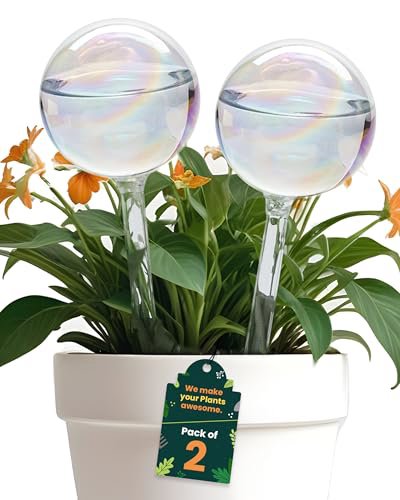
2 Thoroughly soak the orchid medium with water, ensuring the roots are fully hydrated, and consider using a self-watering globe to maintain consistent moisture levels.
3 Repot the orchid in a fresh, well-draining medium like orchid bark to ensure optimal water retention and aeration for the roots.
warning

Temperature Shock

Sudden exposure to cold drafts or temperatures below 55°F (13°C) can cause metabolic stress in Phalaenopsis. This physiological response often manifests as sudden leaf drooping and potential spotting.

Common
lightbulb
How to confirm: Verify if the plant is positioned near an air conditioning vent, a drafty window, or an uninsulated exterior wall.
build How to fix it
shopping_cart Recommended Products
1 Immediately move the orchid to a stable environment away from cold drafts, windows, or air conditioning vents to maintain temperatures above 60°F.
2 Monitor the soil moisture closely to ensure the plant is not also suffering from dehydration during this period of metabolic stress.
3 Apply a diluted liquid seaweed fertilizer to help the plant recover from environmental stress and boost nutrient uptake.
warning

Bacterial Soft Rot

Pathogenic bacteria (such as Erwinia) can enter through leaf notches or damaged tissue, especially in high humidity. This breaks down internal plant structures, causing leaves to lose rigidity and collapse.

Common
lightbulb
How to confirm: Inspect the base of the drooping leaves for any dark, water-soaked lesions or a foul, unpleasant odor.
build How to fix it
shopping_cart Recommended Products
1 Immediately prune away all mushy, darkened, or soft tissue using sterilized shears to prevent the bacteria from spreading to healthy leaves.
2 Apply a fungicide to the affected area and ensure the plant is in a well-ventilating area with low humidity to stop bacterial spread.
3 Repot the orchid in a fresh, well-draining medium like orchid bark to eliminate any bacteria residing in the old substrate.

Other Phalaenopsis Boston problems

Your plant might also be experiencing one of these issues:

local_hospital All symptoms eco All plants with drooping leaves
favorite