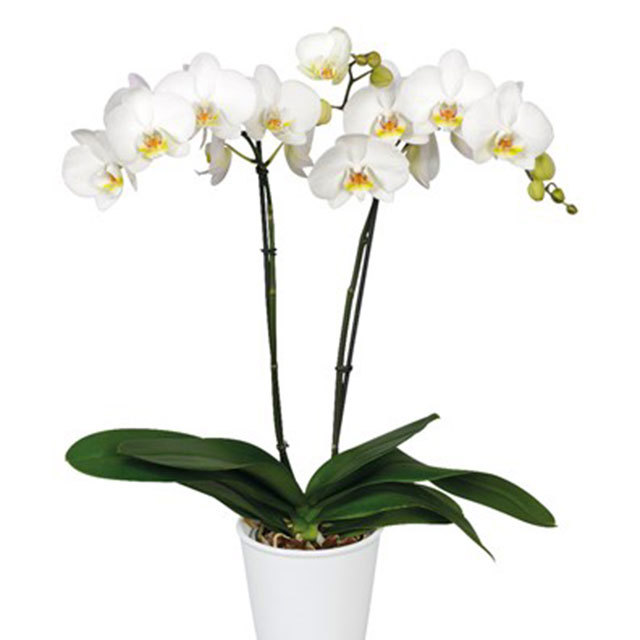
Phalaenopsis Bristol Fine Webbing
eco Fine Webbing

Phalaenopsis Bristol – Fine Webbing

Why does your Phalaenopsis Bristol have fine webbing? Diagnose the cause and fix it with our step-by-step guide.

pets Pet Friendly

search Possible Causes

error

Spider Mites (Tetranychidae)

The presence of fine webbing is a classic indicator of spider mite infestations. These microscopic arachnids feed on the moisture within the Phalaenopsis leaves, causing stippling and eventually leading to leaf yellowing or necrosis.

Very Common
lightbulb
How to confirm: Hold a white piece of paper under a leaf and tap it sharply to see if tiny moving dots fall onto the paper.
build How to fix it
shopping_cart Recommended Products
1 Immediately spray the plant with an organic insecticide/miticide to kill existing mites and larvae.
2 Wipe the leaves thoroughly with a damp cloth to physically remove webbing and any remaining mites from the foliage.
3 Increase local humidity around the orchid to create an environment that is less favorable for spider mite reproduction.
warning

Cheesman/Granular Mite Infestation

Certain species of eriophyid mites can create fine, silk-like structures around the leaf margins or buds of Moon Orchids. They are much smaller than spider mites and often target the tender new growth of the Phalaenopsis.

Common
lightbulb
How to confirm: Inspect the very tips of new flower spikes or emerging leaves under a magnifying glass for tiny, distorted growths.
build How to fix it
shopping_cart Recommended Products
1 Treat the orchid with an organic miticide or insecticide spray to eliminate the mites and their eggs.
2 Carefully wipe the leaves and buds with a soft cloth to physically remove the fine webbing and mite debris.
3 Increase humidity around the new growth to create a less favorable environment for mite development.
warning

Extreme Low Humidity (Environmental Stress)

While not a direct cause of webbing, extremely dry air can cause the plant's cellular structure to degrade, making it more susceptible to secondary pest attacks. In some cases, dried exudates or mineral deposits in very dry conditions can be visually mistaken for fine filaments.

Common
lightbulb
How to confirm: Check if your hygrometer reads below 40% humidity and if the leaf tips are turning brown and crispy.
build How to fix it
shopping_cart Recommended Products
1 Inspect the plant closely for tiny moving organisms to confirm if the webbing is actually Spider Mites, which thrive in dry conditions.
2 Increase local humidity around the orchid by using a pebble tray or a humidifier to prevent further environmental stress.
3 Mist the leaves regularly with a fine spray to maintain moisture levels and help wash away any surface debris.

Other Phalaenopsis Bristol problems

Your plant might also be experiencing one of these issues:

local_hospital All symptoms eco All plants with fine webbing
favorite

