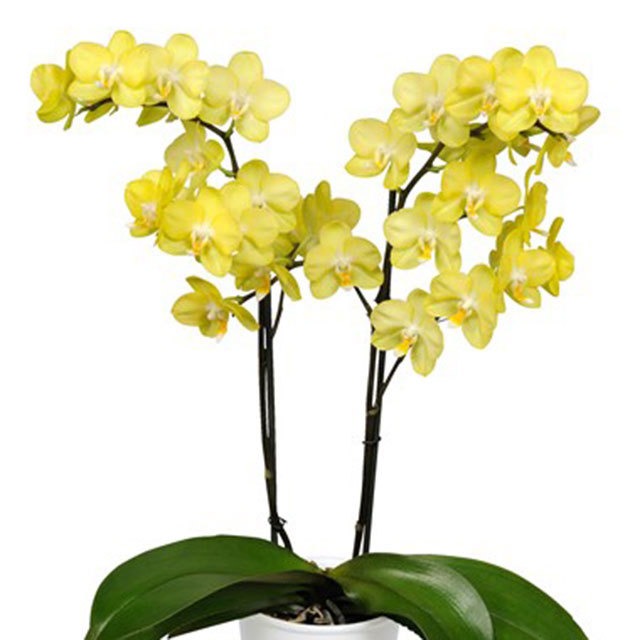
Phalaenopsis Cagliari Fine Webbing
eco Fine Webbing

Phalaenopsis Cagliari – Fine Webbing

Why does your Phalaenopsis Cagliari have fine webbing? Diagnose the cause and fix it with our step-by-step guide.

search Possible Causes

error

Spider Mites (Tetranychidae)

The presence of fine, silk-like webbing is the classic hallmark of a spider mite infestation. These microscopic pests pierce the cells of the Phalaenopsis leaves to suck out nutrients, often leaving behind tiny yellow stippling marks.

Very Common
lightbulb
How to confirm: Hold a white piece of paper underneath a leaf and tap the leaf sharply to see if tiny specks fall onto the paper.
build How to fix it
shopping_cart Recommended Products
1 Immediately treat the orchid with an organic insecticide to eliminate the spider mite population and kill existing eggs.
2 Wipe the leaves thoroughly with a damp cloth to physically remove webbing and any remaining mites from the plant surface.
3 Increase local humidity around the orchid, as spider mites thrive in dry environments; consider using a pebble tray or mister.
warning

Low Humidity/Desiccation

While not a direct cause of silk, extremely low humidity can cause dried organic matter or dust to clump around leaf edges in a web-like pattern. This is common when Phalaenopsis orchids are kept in heated indoor environments without a humidifier.

Common
lightbulb
How to confirm: Check if the leaf edges are also turning brown and crispy alongside the presence of any debris.
build How to fix it
shopping_cart Recommended Products
1 Increase ambient humidity around the orchid by using a pebble tray or a humidifier to prevent further leaf desiccation.
2 Gently wipe the leaves with a damp cloth to remove the web-like dust and organic debris caused by the dry air.
3 Apply a fine mist to the foliage to provide immediate surface hydration, ensuring you avoid standing water in the crown.
warning

Thrips Infestation (Secondary Symptom)

While thrips do not spin webs, a heavy infestation can cause silvery scarring on Phalaenopsis leaves which may trap dust and environmental fibers, creating a deceptive 'webbed' appearance.

Common
lightbulb
How to confirm: Inspect the crevices of the leaf axils for tiny, slender, yellowish-brown insects moving rapidly.
build How to fix it
shopping_cart Recommended Products
1 Treat the orchid with an organic insecticide to eliminate the thrips population and prevent further leaf scarring.
2 Gently wipe the leaves with a damp cloth to remove the deceptive 'webbing' (dust and environmental fibers) and clean any silver scarring.
3 Ensure the orchid is in a well-ventilated area to discourage pest buildup and maintain healthy airflow around the foliage.

Other Phalaenopsis Cagliari problems

Your plant might also be experiencing one of these issues:

local_hospital All symptoms eco All plants with fine webbing
favorite

