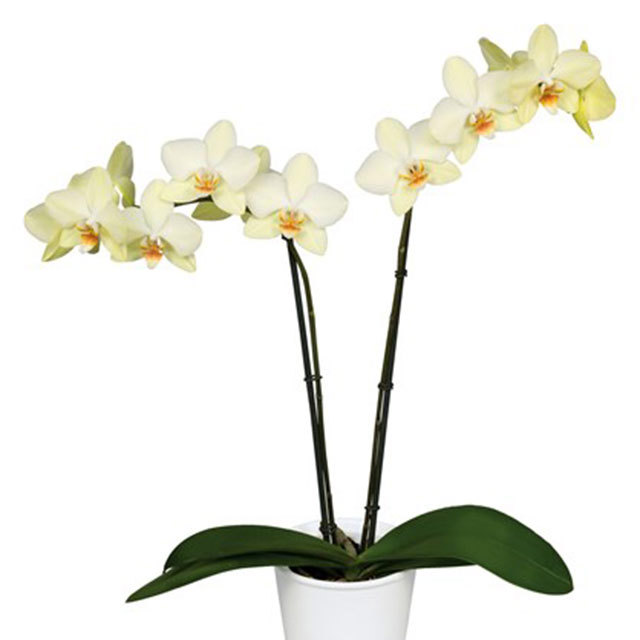
Phalaenopsis Candela Fine Webbing
eco Fine Webbing

Phalaenopsis Candela – Fine Webbing

Why does your Phalaenopsis Candela have fine webbing? Diagnose the cause and fix it with our step-by-step guide.

search Possible Causes

error

Spider Mites (Tetranychidae)

The presence of fine, silky webbing is a classic sign of a spider mite infestation. These tiny arachnids feed on the sap of Phalaenopsis leaves, causing stippling and eventual leaf yellowing as they deplete the plant's resources.

Very Common
lightbulb
How to confirm: Hold a white piece of paper under a leaf and tap it sharply to see if tiny crawling specks fall onto the paper.
build How to fix it
shopping_cart Recommended Products
1 Isolate the orchid immediately and spray the leaves, including the undersides, with an organic insecticide to kill existing mites and eggs.
2 Wipe the leaves with a damp cloth to physically remove webbing and debris, then increase humidity around the plant to make the environment less hospitable for mites.
3 Monitor the soil moisture levels to ensure the plant is not under drought stress, which can exacerbate mite infestations.
warning

High Humidity with Poor Air Circulation

While Phalaenopsis orchids thrive in humidity, extremely high levels combined with stagnant air can create a microclimate that supports fungal growth or mimics web-like structures through condensation/mold filaments.

Common
lightbulb
How to confirm: Check if the webbing feels sticky or accompanied by dark fungal spots on the leaf surface.
build How to fix it
shopping_cart Recommended Products
1 Inspect the plant closely for tiny moving organisms; if actual spider mites are present, treat the foliage with an organic insecticide/miticide spray.
2 Improve air circulation around the orchid by using a small fan to prevent stagnant air and reduce the risk of fungal filaments.
3 Repot the orchid in a fresh, well-draining medium like orchid bark to ensure the roots receive adequate oxygen and do not sit in stagnant moisture.
warning

Thrips Infestation (Early Stage)

While thrips typically cause silvery streaks or deformed new growth, their feeding damage can sometimes be obscured by secondary fungal growth or fine silk-like secretions in extreme cases of high moisture.

Common
lightbulb
How to confirm: Inspect the crevices of the orchid's crown and leaf axils for small, slender, elongated insects.
build How to fix it
shopping_cart Recommended Products
1 Isolate the orchid immediately and treat the plant with an organic insecticide to eliminate the thrips and prevent the infestation from spreading.
2 Inspect the undersides of leaves and new growth for any remaining pests, and wipe the foliage with a damp cloth to remove silk-like secretions.
3 Ensure the orchid is potted in a well-draining medium like orchid bark to reduce the high moisture levels that encourage secondary fungal growth.

Other Phalaenopsis Candela problems

Your plant might also be experiencing one of these issues:

local_hospital All symptoms eco All plants with fine webbing
favorite