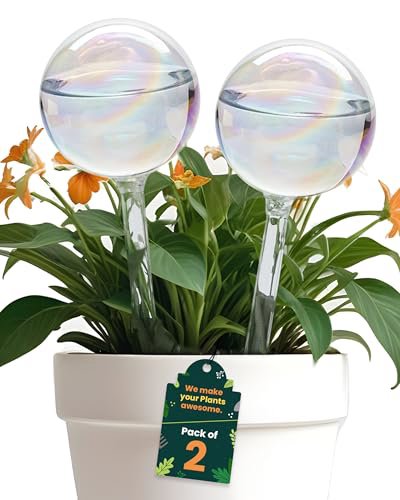
Phalaenopsis Chengdu Fine Webbing
eco Fine Webbing

Phalaenopsis Chengdu – Fine Webbing

Why does your Phalaenopsis Chengdu have fine webbing? Diagnose the cause and fix it with our step-by-step guide.

pets Pet Friendly

search Possible Causes

error

Spider Mites (Tetranychidae)

This is the most common cause of fine webbing on Phalaenopsis orchids. These microscopic arachnids feed on the plant's sap, leaving behind characteristic silken webs around the leaf junctions and undersides.

Very Common
lightbulb
How to confirm: Hold a white piece of paper under a leaf and tap it to see if tiny specks fall off and begin to crawl.
build How to fix it
shopping_cart Recommended Products
1 Immediately spray the orchid with an organic insecticide/miticide to eliminate the spider mite population and destroy eggs.
2 Wipe the leaves, especially the undersides and junctions, with a damp cloth to physically remove webbing and mites.
3 Increase humidity around the plant to create an environment less favorable for spider mite reproduction.
warning

Predatory Mites (Phytoseiidae) infestation imbalance

While predatory mites are beneficial, an overabundance or a lack of prey can sometimes lead to visible silk structures if the micro-environment is extremely dry. However, in Phalaenopsis, this usually presents as 'empty' webbing without plant damage.

Common
lightbulb
How to confirm: Check if there is any stippling (tiny white dots) on the orchid leaves; if there is no damage, the mites may not be feeding.
build How to fix it
shopping_cart Recommended Products
1 Increase local humidity to disrupt the formation of silk structures and create a more hospitable environment for beneficial mites.
2 Monitor the soil moisture levels to ensure the micro-environment does not become too dry, which can trigger webbing production.
3 Gently wipe the orchid leaves with a damp cloth to remove any visible webbing and check for any secondary pest presence.
warning

High Humidity Condensation/Microbial Colonies

In extremely high-humidity environments used for Phalaenopsis cultivation, certain fungal hyphae or bacterial colonies can create a fine, web-like appearance on the leaf surface that mimics spider silk.

Common
lightbulb
How to confirm: Observe if the 'webbing' disappears when the humidity levels are lowered or if it feels tacky to the touch.
build How to fix it
shopping_cart Recommended Products
1 Gently wipe the leaf surfaces with a soft cloth to remove the microbial colonies and prevent further buildup.
2 Improve airflow around the orchid to reduce condensation and prevent the formation of new fungal or bacterial webs.
3 Apply a fungicide to protect the plant from potential fungal pathogens that thrive in high humidity.

Other Phalaenopsis Chengdu problems

Your plant might also be experiencing one of these issues:

local_hospital All symptoms eco All plants with fine webbing
favorite