Philodendron domesticum Leggy Stems
eco Leggy Stems

Philodendron domesticum – Leggy Stems

Why does your Philodendron domesticum have leggy stems? Diagnose the cause and fix it with our step-by-step guide.

search Possible Causes

error

Insufficient Light Exposure

Philodendrons are phototropic and will stretch their internodes (the space between leaves) to search for a light source. In low light, the plant prioritizes stem elongation over leaf development, resulting in long, sparse stems.

Very Common
lightbulb
How to confirm: Observe if the leaves are significantly smaller than usual and if the plant is leaning toward a window.
build How to fix it
shopping_cart Recommended Products
1 Move your Philodendron to a location with brighter, indirect sunlight to prevent further stem stretching.
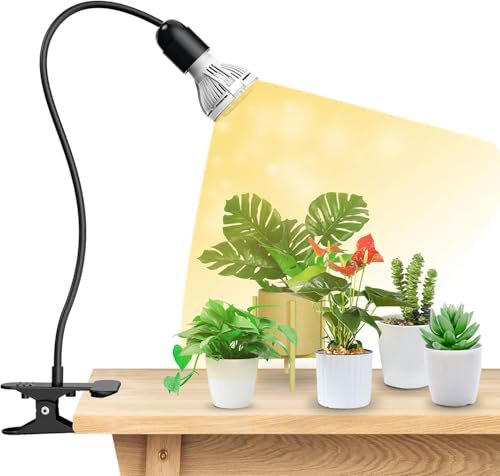
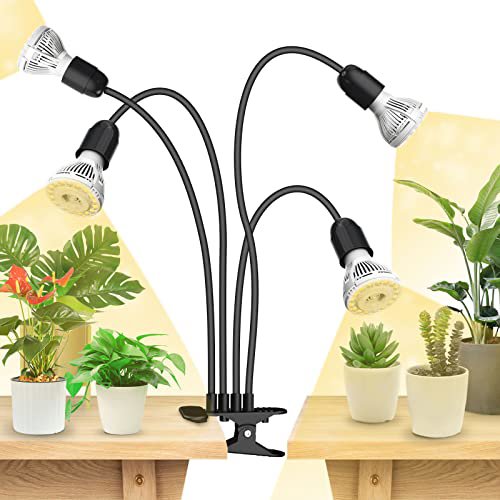
2 Supplement with a full-spectrum grow light to provide consistent light intensity and encourage denser foliage.
3 Prune the leggy stems using sharp shears to encourage new, bushier growth from the base.
warning

Nutrient Deficiency (Nitrogen)

A lack of available nitrogen prevents the plant from producing dense, lush foliage. When nutrients are depleted, the plant may focus its limited resources on stem extension rather than leaf expansion.

Common
lightbulb
How to confirm: Check if older leaves are turning pale yellow in addition to the elongated stems.
build How to fix it
shopping_cart Recommended Products
1 Apply a nitrogen-rich liquid fertilizer to stimulate lush, leafy growth and prevent further stem elongation.
2 Prune the leggy stems back to the nearest node to encourage new, denser growth from the base.
3 Ensure the plant is receiving adequate bright, indirect light to prevent the plant from stretching toward light sources.
warning

Overwatering and Root Stress

Consistent moisture levels that are too high can lead to oxygen deprivation in the soil. This stresses the root system, making it unable to support robust leaf growth, often resulting in weak, spindly stems.

Common
lightbulb
How to confirm: Poke your finger into the soil; if it remains damp several inches below the surface for more than a week, you are overwatering.
build How to fix it
shopping_cart Recommended Products
1 Allow the soil to dry out significantly before watering again to prevent further oxygen deprivation in the root zone.
2 Repot the plant in a well-draining medium enriched with perlite to improve aeration and prevent future root stress.
3 Prune the longest, weakest stems to encourage new, bushier growth from the base.
warning

Temperature Fluctuations

Drastic swings in temperature, particularly exposure to cold drafts, can shock the plant's metabolism. This stress can disrupt growth cycles and lead to irregular, weak stem development.

Common
lightbulb
How to confirm: Check if the plant is located near an air conditioning vent or a drafty window.
build How to fix it
shopping_cart Recommended Products
1 Relocate your Philodendron to a stable environment away from cold drafts, air conditioning vents, or heating units to prevent metabolic shock.
2 Provide supplemental lighting to encourage more compact, sturdy growth and compensate for any light-seeking behavior caused by environmental stress.
3 Apply a microbial-based fertilizer to support root zone development and help the plant recover from temperature-induced stress.

Other Philodendron domesticum problems

Your plant might also be experiencing one of these issues:

local_hospital All symptoms eco All plants with leggy stems
favorite