Philodendron hederaceum Leggy Stems
eco Leggy Stems

Philodendron hederaceum – Leggy Stems

Why does your Philodendron hederaceum have leggy stems? Diagnose the cause and fix it with our step-by-step guide.

search Possible Causes

error

Insufficient Light Exposure

As a shade-loving climber, Philodendron hederaceum will undergo 'etiolation' when light levels are too low. The plant stretches its internodes (the space between leaves) to search for a more intense light source.

Very Common
lightbulb
How to confirm: Check if the distance between leaves on the stem has significantly increased compared to previous growth.
build How to fix it
shopping_cart Recommended Products
1 Move your Philodendron to a location with brighter, indirect light to stop the stems from stretching.
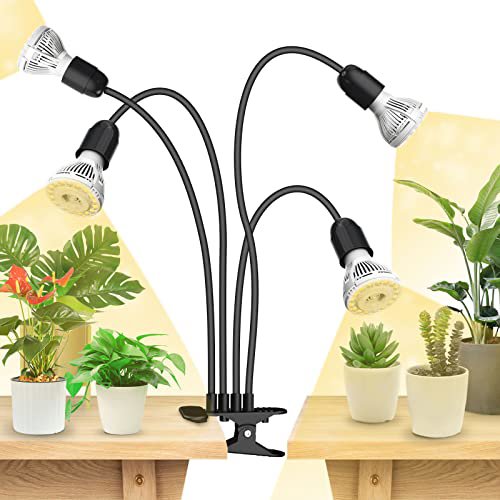
2 If natural light is insufficient, supplement with a full-spectrum LED grow light to provide the necessary intensity for healthy leaf development.
3 Prune the longest, leggiest stems using sharp shears to encourage bushier growth and prevent the plant from becoming too sparse.
warning

Nutrient Deficiency (Nitrogen)

A lack of essential macronutrients, specifically nitrogen, can result in weak, spindly growth. Without enough nutrients to build robust cell walls, the new stems appear thin and elongated.

Common
lightbulb
How to confirm: Observe if the new leaves are also smaller and lighter green than the older foliage.
build How to fix it
shopping_cart Recommended Products
1 Apply a nitrogen-rich liquid fertilizer to stimulate lush, green vegetative growth and strengthen new stems.
2 Prune the longest, weakest stems to encourage the plant to redirect energy toward new, more robust growth.
3 Ensure the plant is receiving adequate light to prevent further stretching (etiolation) caused by searching for light.
warning

Improper Watering Regimen

Inconsistent moisture levels, particularly prolonged drought periods followed by heavy watering, can stress the plant's vascular system. This stress often manifests as rapid, weak growth spurts or stunted development.

Common
lightbulb
How to confirm: Feel the soil depth; if it stays bone-dry for too long before being soaked, the plant is likely struggling with moisture swings.
build How to fix it
shopping_cart Recommended Products
1 Stabilize the watering schedule by checking the soil depth before adding water to prevent the cycle of drought and flooding.
2 Prune the elongated, weak stems using sharp shears to encourage bushier growth and prevent further stretching.
3 Apply a balanced liquid fertilizer to help the plant recover from vascular stress and support new, stronger foliage.
warning

Lack of Physical Support

In their natural habitat, these plants use aerial roots to climb. Without a moss pole or trellis, the stems may sprawl and stretch outward rather than upward, creating a leggy appearance.

Common
lightbulb
How to confirm: Check if the plant is trailing downward instead of growing vertically toward a light source.
build How to fix it
shopping_cart Recommended Products
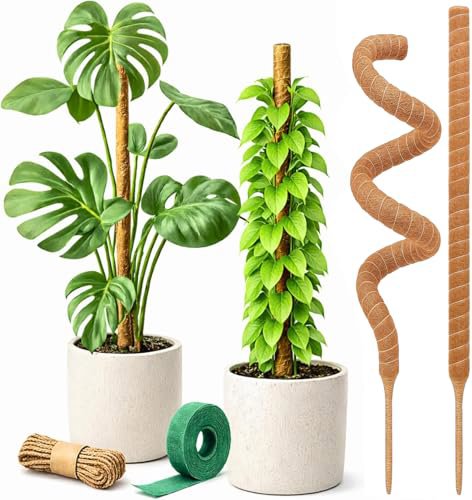
1 Provide a vertical structure for the plant to climb, which encourages aerial roots to attach and promotes upward growth.
2 Use soft ties to gently secure the stems to the support pole, ensuring the plant grows upward rather than sprawling.
3 Ensure the plant is receiving adequate bright, indirect light to prevent further stretching and leggy stem development.

Other Philodendron hederaceum problems

Your plant might also be experiencing one of these issues:

local_hospital All symptoms eco All plants with leggy stems
favorite