Platycerium bifurcatum Tiny Black Flies
eco Tiny Black Flies

Platycerium bifurcatum – Tiny Black Flies

Why does your Platycerium bifurcatum have tiny black flies? Diagnose the cause and fix it with our step-by-step guide.

pets Pet Friendly

search Possible Causes

error

Fungus Gnats (Sciaridae)

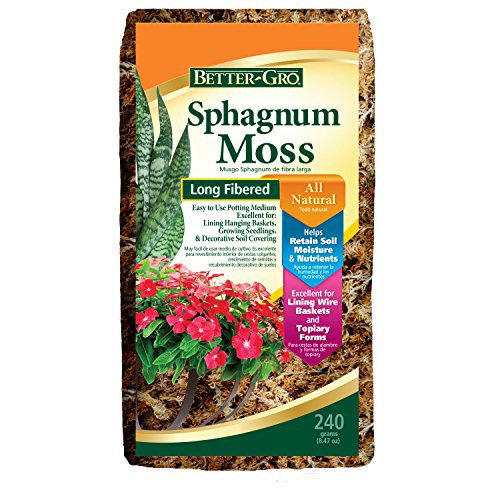
The presence of tiny black flies in a Staghorn Fern is most commonly due to fungus gnats, whose larvae thrive in the organic, moist substrate or sphagnum moss. The adults emerge to lay eggs in the damp medium, where the larvae feed on decaying organic matter and potentially fine root hairs.

Very Common
lightbulb
How to confirm: Place a yellow sticky trap near the plant to confirm if small flying insects are being attracted to it.
build How to fix it
shopping_cart Recommended Products
1 Deploy yellow sticky traps near the plant to capture adult fungus gnats and interrupt their breeding cycle.
2 Allow the sphagnum moss or substrate to dry out more between waterings, as damp conditions are essential for larvae survival.
3 If the infestation persists, repot the fern using fresh, well-draining substrate to remove existing larvae and eggs.
error

Overwatering and Substrate Decay

Excessive moisture in the mounting medium (such as sphagnum moss or bark) creates an ideal breeding ground for pests and promotes fungal growth. For Platycerium, constant saturation prevents the roots from breathing, leading to a nutrient-rich, rotting environment that attracts flies.

Very Common
lightbulb
How to confirm: Touch the inner moss/substrate; if it feels soggy and stays wet for many days, your watering frequency is too high.
build How to fix it
shopping_cart Recommended Products
1 Reduce watering frequency and allow the mounting medium to dry out significantly between waterings to disrupt the fungus gnat life cycle.
2 Apply a biological insecticide to eliminate adult flies and larvae, and consider using yellow sticky traps to capture flying adults.
3 Repot the Staghorn Fern with fresh, well-draining substrate like sphagnum moss or orchid bark to replace the decaying, nutrient-rich medium.
warning

Organic Matter Accumulation

Accumulated dead fronds or decomposing organic debris trapped within the shield fronds can provide a secondary breeding site for flies. As this material breaks down, it creates a micro-ecosystem that attracts various dipteran species.

Common
lightbulb
How to confirm: Inspect the base of the shield fronds for any decaying, dark, or mushy plant matter that needs removal.
build How to fix it
shopping_cart Recommended Products
1 Carefully remove all dead, brown, or decomposing fronds and debris from within the shield fronds to eliminate breeding sites.
2 Apply an organic insecticide spray to the plant to target the adult flies and larvae.
3 Place yellow sticky traps near the plant to capture flying adults and monitor the infestation level.

Other Platycerium bifurcatum problems

Your plant might also be experiencing one of these issues:

local_hospital All symptoms eco All plants with tiny black flies
favorite