Platycerium superbum Tiny Black Flies
eco Tiny Black Flies

Platycerium superbum – Tiny Black Flies

Why does your Platycerium superbum have tiny black flies? Diagnose the cause and fix it with our step-by-step guide.

pets Pet Friendly

search Possible Causes

error

Fungus Gnats (Sciaridae)

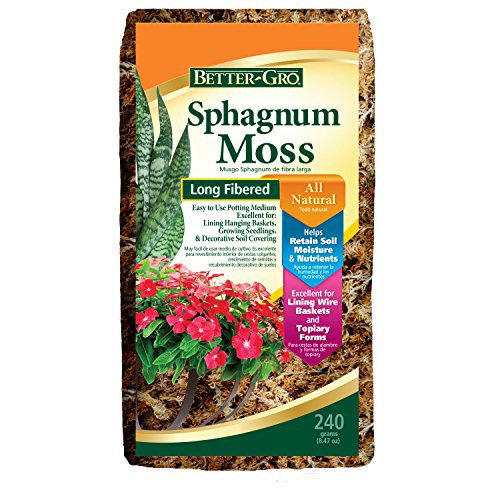
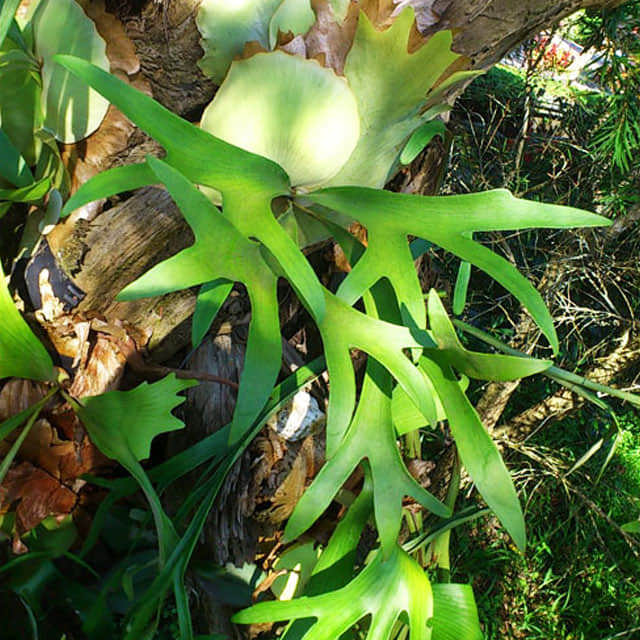
The presence of tiny black flies in a Staghorn fern is most often due to fungus gnats, whose larvae thrive in the damp, organic substrate of the moss or sphagnum used in the mounting medium. They feed on decaying organic matter and can damage the delicate root system of the Platycerium if left unchecked.

Very Common
lightbulb
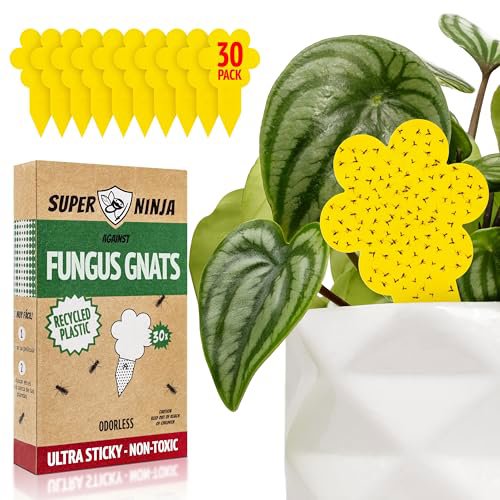
How to confirm: Set up a yellow sticky trap near the fern to confirm the presence of flying adults.
build How to fix it
shopping_cart Recommended Products
1 Deploy yellow sticky traps near the plant to capture adult fungus gnats and disrupt their breeding cycle.
2 Allow the mounting medium to dry out more between waterings, as damp organic matter is the primary breeding ground for larvae.
3 If the infestation persists, treat the substrate with a biological control or organic insecticide to target the larvae.
error

Overwatering / Excessive Substrate Moisture

Staghorn ferns require high humidity but their mounting medium must not remain waterlogged. Constant moisture creates an ideal breeding ground for gnat larvae and can lead to secondary fungal issues in the base of the shield fronds.

Very Common
lightbulb
How to confirm: Touch the inner moss/substrate; if it feels soggy deep inside even days after watering, you are overwatering.
build How to fix it
shopping_cart Recommended Products
1 Reduce watering frequency and allow the mounting medium to dry out significantly between sessions to disrupt the fungus gnat life cycle.
2 Apply a biological control such as Neem Oil or a similar organic spray to eliminate adult flies and larvae.
3 Improve airflow around the plant and consider adding perlite or bark to the mounting medium to enhance drainage and prevent waterlogging.
warning

Soil Organic Matter Decomposition

If using a heavy compost or old sphagnum, the breakdown of organic material releases gases and nutrients that attract various dipteran insects. As the substrate ages, it becomes more prone to hosting insect life cycles.

Common
lightbulb
How to confirm: Inspect if the moss feels slimy or has a sour odor, which indicates decomposing matter.
build How to fix it
shopping_cart Recommended Products
1 Apply a biological insecticide to eliminate the adult flies and larvae by targeting the insect life cycle.
2 Replace the aging, decomposing substrate with fresh, clean organic material to remove the food source and breeding ground.
3 Use yellow sticky traps to capture flying adults and monitor the effectiveness of the treatment.

Other Platycerium superbum problems

Your plant might also be experiencing one of these issues:

local_hospital All symptoms eco All plants with tiny black flies
favorite