Plectranthus Mona Lavender Leggy Stems
eco Leggy Stems

Plectranthus Mona Lavender – Leggy Stems

Why does your Plectranthus Mona Lavender have leggy stems? Diagnose the cause and fix it with our step-by-step guide.

search Possible Causes

error

Insufficient Light Exposure

Plectranthus Mona Lavender requires bright, indirect light to maintain compact growth; low light levels trigger etiolation, where stems stretch toward a light source.

Very Common
lightbulb
How to confirm: Observe if the internodes (space between leaves) are significantly longer than they were when the plant was younger.
build How to fix it
shopping_cart Recommended Products
1 Move your plant to a location that receives bright, indirect sunlight to prevent further stretching of the stems.
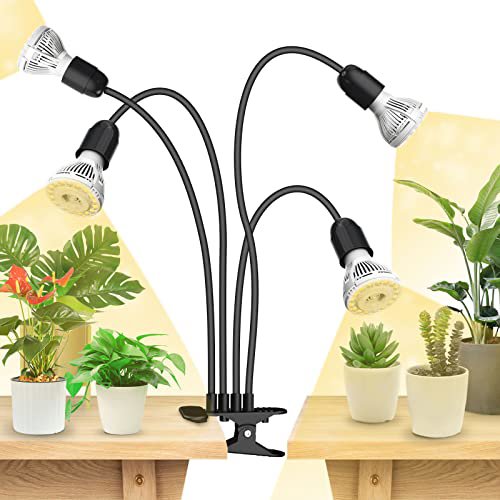
2 Supplement with a full-spectrum grow light to provide the necessary intensity for compact growth.
3 Prune the elongated, leggy stems using sharp shears to encourage bushier growth and new lateral branching.
warning

Nutrient Deficiency (Nitrogen/Potassium)

A lack of essential macronutrients can lead to weak, spindly growth and thin stem structure, as the plant lacks the resources to build dense cell walls.

Common
lightbulb
How to confirm: Check if the new growth appears pale or yellowish in addition to being elongated.
build How to fix it
shopping_cart Recommended Products
1 Apply a balanced liquid fertilizer to provide the necessary nitrogen and potassium for stronger stem development.
2 Prune the long, spindly stems back to encourage bushier, denser growth from the base.
3 Ensure the plant is receiving adequate light to prevent further stretching (etiolation) of the stems.
warning

Lack of Pruning/Deadheading

Without regular pinching back of terminal buds, Mona Lavender naturally continues to grow outward rather than upward, leading to a sparse, leggy appearance over time.

Common
lightbulb
How to confirm: Look for long, unbranched stems that lack the bushy density typical of well-maintained specimens.
build How to fix it
shopping_cart Recommended Products
1 Use sharp pruning shears to pinch back the terminal buds and long, leggy stems to encourage bushier, more compact growth.
2 Remove any spent flower spikes (deadheading) to redirect the plant's energy toward new foliage production rather than seed's formation.
3 Ensure the plant receives adequate bright, indirect light to prevent further stretching and maintain structural integrity.
warning

Overwatering and Root Stress

Excessive moisture can lead to shallow, weak root systems that cannot support robust stem development, often resulting in limp or stretched growth.

Common
lightbulb
How to confirm: Feel the soil depth; if it remains soggy for more than a week, root suffocation is likely occurring.
build How to fix it
shopping_cart Recommended Products
1 Reduce watering frequency and allow the top inch of soil to dry out completely before watering again to prevent further root rot.
2 Repot the plant in a well-draining potting mix amended with perlite to improve aeration and prevent waterlogged soil.
3 Prune the leggy, weak stems to encourage new, bushier growth from the base of the plant.
local_hospital All symptoms eco All plants with leggy stems
favorite