Plectranthus oertendahlii Emerald Lace Leggy Stems
eco Leggy Stems

Plectranthus oertendahlii Emerald Lace – Leggy Stems

Why does your Plectranthus oertendahlii Emerald Lace have leggy stems? Diagnose the cause and fix it with our step-by-step guide.

search Possible Causes

error

Insufficient Light Exposure

As a semi-shade plant, Emerald Lace will undergo etiolation (stretching) if light levels are too low. The internodes (space between leaves) elongate significantly as the plant searches for a light source.

Very Common
lightbulb
How to confirm: Observe if the stems are noticeably thinner and paler than those closer to the light source.
build How to fix it
shopping_cart Recommended Products
1 Move your plant to a brighter location, such as near a window with bright, indirect light, to stop the stems from stretching.
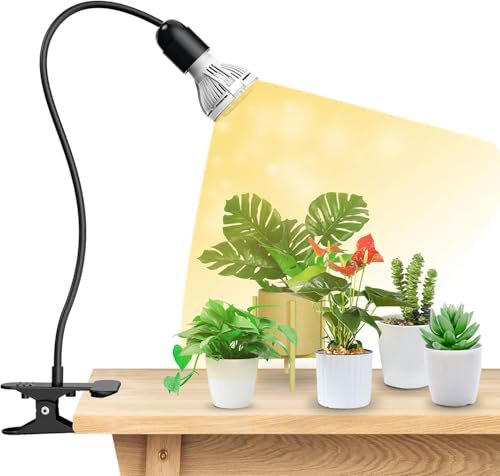
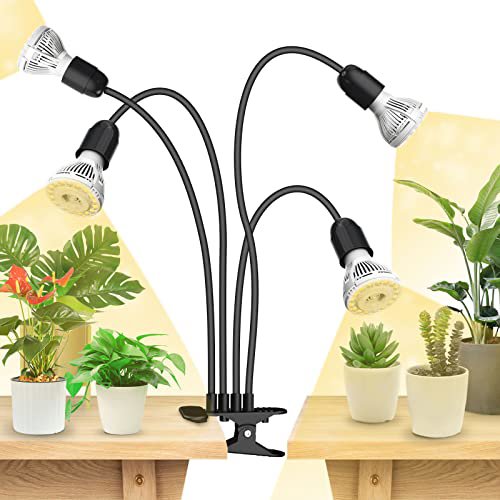
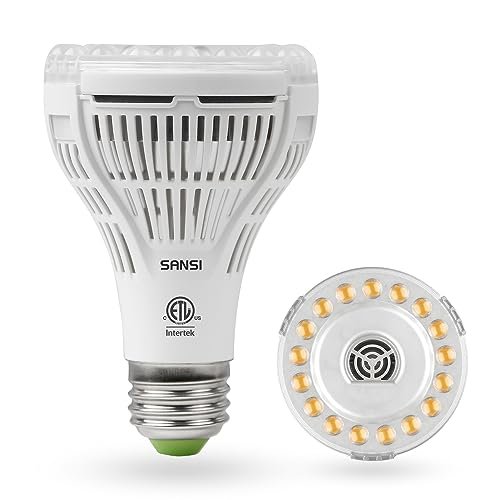
2 Supplement with a full-spectrum grow light to provide consistent light intensity and encourage denser, more compact growth.
3 Prune the elongated, leggy stems using sharp shears to stimulate new, bushier growth from the base.
error

Overwatering and Root Stress

Excessive moisture in the substrate can lead to shallow, weak root systems. This prevents the plant from supporting its own weight, causing the stems to lose structural integrity and droop or stretch.

Very Common
lightbulb
How to confirm: Press your finger into the soil to see if it remains damp long after a scheduled watering.
build How to fix it
shopping_cart Recommended Products
1 Allow the soil to dry out completely before watering again to prevent further root rot and allow the root system to recover.
2 Repot the plant in a well-draining medium enriched with perlite to improve aeration and prevent future waterlogging.
3 Prune the leggy, weak stems to encourage bushier growth and reduce the weight load on the struggling root system.
warning

Nutrient Deficiency (Nitrogen)

A lack of essential macronutrients, particularly nitrogen, can cause rapid but weak vegetative growth. This results in stems that lack the lignin density required to remain upright.

Common
lightbulb
How to confirm: Check if the newer leaves are turning pale yellow along with the leggy stem growth.
build How to fix it
shopping_cart Recommended Products
1 Apply a nitrogen-rich liquid fertilizer to stimulate stronger, denser vegetative growth and improve stem structural integrity.
2 Prune the leggy, weak stems using sharp shears to encourage bushier growth from the base.
3 Ensure the plant is receiving adequate light to prevent further stretching and etiolation.
warning

Temperature Fluctuations

Sudden drops in temperature can shock the metabolic processes of Plectranthus, leading to irregular growth spurts followed by weak, spindly development.

Common
lightbulb
How to confirm: Check if the plant is placed near cold drafts from windows or air conditioning vents.
build How to fix it
shopping_cart Recommended Products
1 Stabilize the environment by moving the plant to a location with consistent temperatures, away from cold drafts or windows.
2 Provide supplemental light to strengthen the plant's structure and prevent further stretching.
3 Prune the leggy, weak stems to encourage bushier, more compact growth from the base.
local_hospital All symptoms eco All plants with leggy stems
favorite