Radish Sativus TDA 763 F1 Tiny Black Flies
eco Tiny Black Flies

Radish Sativus TDA 763 F1 – Tiny Black Flies

Why does your Radish Sativus TDA 763 F1 have tiny black flies? Diagnose the cause and fix it with our step-by-step guide.

pets Pet Friendly

search Possible Causes

error

Fungus Gnats (Sciaridae)

The tiny black flies are likely fungus gnats, whose larvae live in the organic matter of the soil and feed on decaying roots. In radish cultivation, high soil moisture levels common in TDA 763 F1 nursery stages attract these pests.

Very Common
lightbulb
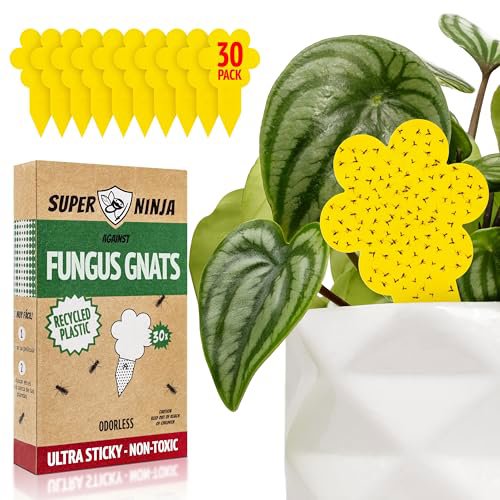
How to confirm: Set a yellow sticky trap near the soil surface to confirm the presence of small, dark-bodied flying insects.
build How to fix it
shopping_cart Recommended Products
1 Apply a biological control to eliminate the larvae in the soil and adult flies. Using a product like Captain Jack's Neem Oil can help manage the pest population.
2 Reduce soil moisture levels to disrupt the fungus gnat life cycle. Use a moisture meter to ensure the soil is not staying too damp, which attracts these pests.
3 Deploy yellow sticky traps to capture adult flies and prevent further breeding in your radish nursery.
warning

Blackberry Fruit Fly (Drosophila species)

If the radishes are maturing and there is decomposing organic matter nearby, fruit flies may be attracted to the moisture of the radish root. While they don't eat the radish directly, their presence indicates high humidity and rotting plant debris.

Common
lightbulb
How to confirm: Check for any soft, fermenting, or decaying radish roots in the soil surface.
build How to fix it
shopping_cart Recommended Products
1 Remove all decomposing organic matter and rotting plant debris from the soil surface to eliminate breeding sites for the flies.
2 Deploy yellow sticky traps near the base of the radishes to capture adult flies and monitor the infestation level.
3 Reduce soil moisture and humidity by allowing the top layer of soil to dry out, preventing the attraction of moisture-seeking flies.
warning

Soil-borne Pathogens (Pythium/Damping-off)

The presence of flies often correlates with high moisture levels that trigger Pythium, a water mold. This pathogen causes stem rot at the soil line, creating the perfect moist environment for fungus gnat larvae to thrive.

Common
lightbulb
How to confirm: Examine the base of the radish stems for any signs of browning or 'shriveling' near the soil contact point.
build How to fix it
shopping_cart Recommended Products
1 Reduce watering frequency and allow the top inch of soil to dry out completely to disrupt the life cycle of the flies and prevent further moisture-driven pathogen spread.
2 Apply yellow sticky traps near the soil surface to capture adult flies and prevent further egg-laying in the moist substrate.
3 Improve soil aeration by incorporating perlite into the growing medium to prevent the waterlogged conditions that favor Pythium.

Other Radish Sativus TDA 763 F1 problems

Your plant might also be experiencing one of these issues:

local_hospital All symptoms eco All plants with tiny black flies
favorite