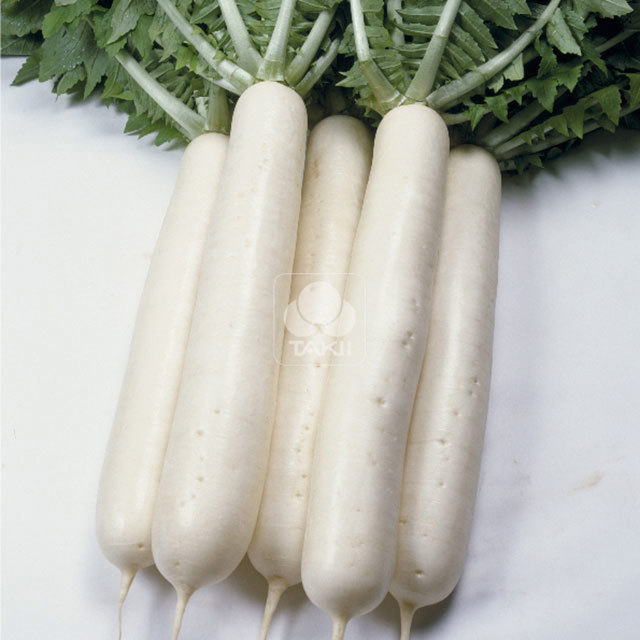
Radish Tama Winter F1 Drooping Leaves
eco Drooping Leaves

Radish Tama Winter F1 – Drooping Leaves

Why does your Radish Tama Winter F1 have drooping leaves? Diagnose the cause and fix it with our step-by-step guide.

pets Pet Friendly

search Possible Causes

error

Water Stress (Drought or Saturation)

Radishes have shallow root systems and are highly sensitive to moisture fluctuations. Drooping occurs when the plant lacks turgor pressure due to either insufficient soil moisture or root hypoxia from waterlogged soil.

Very Common
lightbulb
How to confirm: Check the soil moisture 2 inches below the surface; it should be consistently moist but not muddy.
build How to fix it
shopping_cart Recommended Products
1 Check the soil moisture level at the root zone using a moisture meter to determine if the soil is bone-dry or waterlogged.
2 If the soil is dry, water the radish thoroughly with a gentle stream to ensure the shallow roots are hydrated; if the soil is saturated, allow it to drain and improve aeration.
3 To prevent future moisture fluctuations, consider adding perlite to the soil to improve drainage and aeration.
error

Heat Stress

Winter radishes prefer cooler temperatures; high ambient temperatures cause rapid transpiration that exceeds the plant's ability to uptake water, leading to temporary wilting during midday.

Very Common
lightbulb
How to confirm: Observe if the leaves recover and stand upright during the cooler evening or early morning hours.
build How to fix it
shopping_cart Recommended Products
1 Provide immediate shade during peak afternoon hours to reduce transpiration rates and lower the plant's temperature.
2 Monitor soil moisture levels closely to ensure the root zone remains consistently hydrated without becoming waterlogged.
3 Apply a layer of organic mulch around the base of the plants to insulate the soil and keep root temperatures cooler.
warning

Damping Off or Root Rot (Pythium/Rhizoctonia)

Excessive moisture in the growing medium can promote fungal pathogens that attack the radishes' delicate root structure, preventing nutrient and water transport to the foliage.

Common
lightbulb
How to confirm: Inspect the base of the stem near the soil line for any signs of darkening, shriveling, or decay.
build How to fix it
shopping_cart Recommended Products
1 Immediately reduce watering frequency and ensure the growing medium is not waterlogged to stop the spread of fungal pathogens.
2 Repot healthy seedlings into a fresh, well-draining medium enriched with perlite to improve aeration and prevent future root rot.
3 Apply a fungicide treatment if symptoms persist to combat Pythium or Rhizoctonia pathogens.
warning

Nitrogen Deficiency

While primarily causing yellowing (chlorosis), severe nitrogen deficiency can lead to stunted growth and weakened cell walls, making the leaves more prone to drooping under their own weight.

Common
lightbulb
How to confirm: Look for pale green or yellowing leaves starting from the older, lower foliage of the plant.
build How to fix it
shopping_cart Recommended Products
1 Apply a nitrogen-rich organic fertilizer to the soil to boost vegetative growth and strengthen leaf structure.
2 Monitor soil moisture levels using a moisture meter to ensure the drooping isn't actually caused by underwatering.
3 Ensure the radish is growing in a well-draining medium to prevent root issues that can mimic deficiency symptoms.

Other Radish Tama Winter F1 problems

Your plant might also be experiencing one of these issues:

local_hospital All symptoms eco All plants with drooping leaves
favorite