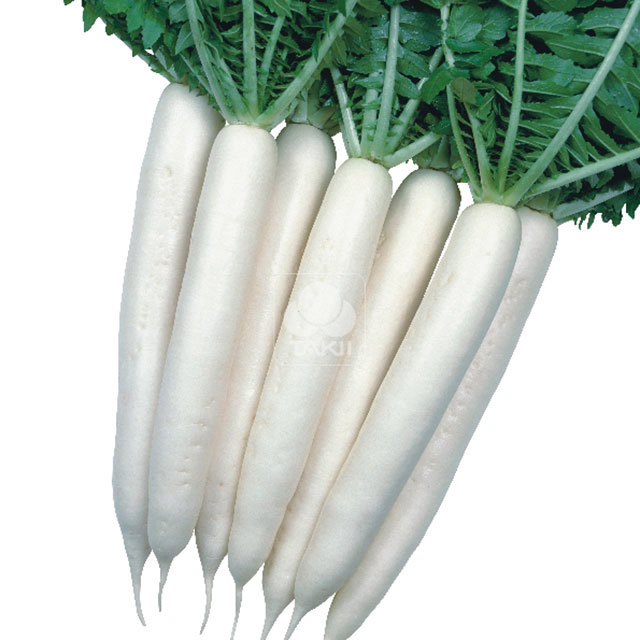
Raphanus sativus Minowase Summer No.3 F1 Tiny Black Flies
eco Tiny Black Flies

Raphanus sativus Minowase Summer No.3 F1 – Tiny Black Flies

Why does your Raphanus sativus Minowase Summer No.3 F1 have tiny black flies? Diagnose the cause and fix it with our step-by-step guide.

pets Pet Friendly

search Possible Causes

error

Fungus Gnats (Sciaridae)

The larvae of these flies live in the upper layer of organic-rich, moist soil and feed on decaying matter or fine root hairs of the radish. While adults are a nuisance, the larvae can damage the developing root system of your Minowase Summer radish.

Very Common
lightbulb
How to confirm: Place a yellow sticky trap near the base of the radish plants to confirm the presence of flying adults.
build How to fix it
shopping_cart Recommended Products
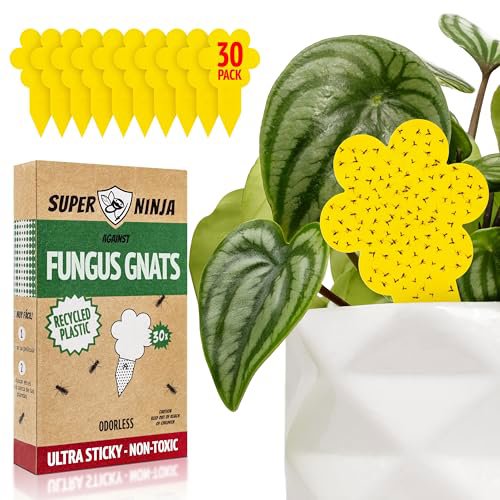
1 Deploy yellow sticky traps to capture the adult flying gnats and break the reproductive cycle.
2 Reduce watering frequency and allow the top layer of soil to dry out, as moist organic matter attracts larvae.
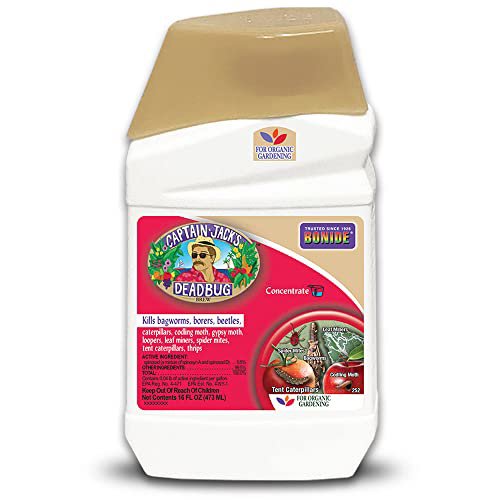
3 Apply a biological control or organic insecticide to target the larvae in the soil and protect radish root hairs.
warning

Drosophila (Fruit Flies) due to Organic Decomposition

If you are using heavy compost or organic mulch around your radishes, these flies may be attracted to the fermenting organic material rather than attacking the plant directly.

Common
lightbulb
How to confirm: Check if the flies are hovering specifically around decaying organic matter in the soil rather than the radish leaves.
build How to fix it
shopping_cart Recommended Products
1 Remove any overripe, fermenting, or decomposing organic mulch and compost from the surface of the soil to eliminate the primary breeding site for the flies.
2 Deploy yellow sticky traps near the base of the radish plants to capture adult flies and monitor the population levels.
3 Ensure the soil surface is well-drained and avoid overwatering, as excess moisture accelerates the organic decomposition that attracts Drosophila.
warning

Black Scab Mite (Aceria keteleeria) - Secondary Attraction

While primarily mites, the presence of small dark insects can sometimes indicate an underlying fungal or pest issue that creates a microhabitat for flies. In radishes, high humidity in the soil surface attracts various Diptera species.

Common
lightbulb
How to confirm: Inspect the underside of the radish leaves and the soil surface for any microscopic webbing or discoloration.
build How to fix it
shopping_cart Recommended Products
1 Apply an organic insecticide to eliminate the flies and any underlying mites or larvae.
2 Reduce surface humidity by allowing the top layer of soil to dry out between waterings and improving airflow around the radish plants.
3 Use yellow sticky traps to capture adult flies and monitor the population levels.

Other Raphanus sativus Minowase Summer No.3 F1 problems

Your plant might also be experiencing one of these issues:

local_hospital All symptoms eco All plants with tiny black flies
favorite