Red Onion Linus F1 Tiny Black Flies
eco Tiny Black Flies

Red Onion Linus F1 – Tiny Black Flies

Why does your Red Onion Linus F1 have tiny black flies? Diagnose the cause and fix it with our step-by-step guide.

search Possible Causes

error

Fungus Gnats (Sciarid flies)

The larvae of fungus gnats live in the organic matter of the soil and feed on fine root hairs. In onion crops, they can cause stunted growth or bulb rot by damaging the delicate root system of the Linus F1 variety.

Very Common
lightbulb
How to confirm: Place a yellow sticky trap near the base of the onion plants to see if small black flies are captured.
build How to fix it
shopping_cart Recommended Products
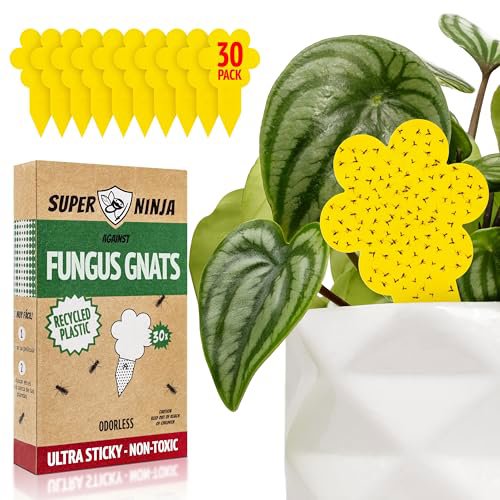
1 Deploy yellow sticky traps to capture the adult flying gnats and break the reproductive cycle.
2 Reduce soil moisture and allow the top layer of soil to dry out significantly to kill larvae in the organic matter.
3 Apply a biological control or organic insecticide to target the larvae living in the soil.
warning

Onion Cecid Fly (Delia antiqua)

The larvae of this fly species burrow into the onion bulb, feeding on the fleshy scales. This creates internal damage that can lead to secondary rot and attracts other small flies to the decaying tissue.

Common
lightbulb
How to confirm: Carefully slice open a symptomatic bulb to check for small, white larvae or tunneling near the center.
build How to fix it
shopping_cart Recommended Products
1 Remove and destroy any affected onion bulbs immediately to prevent larvae from burrowing into healthy tissue and to stop the fly life cycle.
2 Apply an organic insecticide to control adult flies and prevent further egg-laying on the soil surface.
3 Use yellow sticky traps to capture adult flies and monitor the population levels in your garden or greenhouse.
warning

High Soil Organic Matter/Overwatering

Excessive moisture and decomposing organic matter in the onion bed create a perfect breeding ground for various small dipterans. This environment often leads to secondary fungal infections in the Linus F1 bulbs.

Common
lightbulb
How to confirm: Check the moisture levels of the soil at a depth of 2 inches; if it is consistently saturated, this is likely the driver.
build How to fix it
shopping_cart Recommended Products
1 Reduce watering frequency to allow the top inch of soil to dry out, preventing the moist environment that attracts flies.
2 Apply a biological control like Neem Oil spray to eliminate the adult flies and disrupt the life cycle of the larvae.
3 Use yellow sticky traps to capture adult flies and monitor the population levels in the onion bed.
local_hospital All symptoms eco All plants with tiny black flies
favorite