Rheum rhabarbarum Drooping Leaves
eco Drooping Leaves

Rheum rhabarbarum – Drooping Leaves

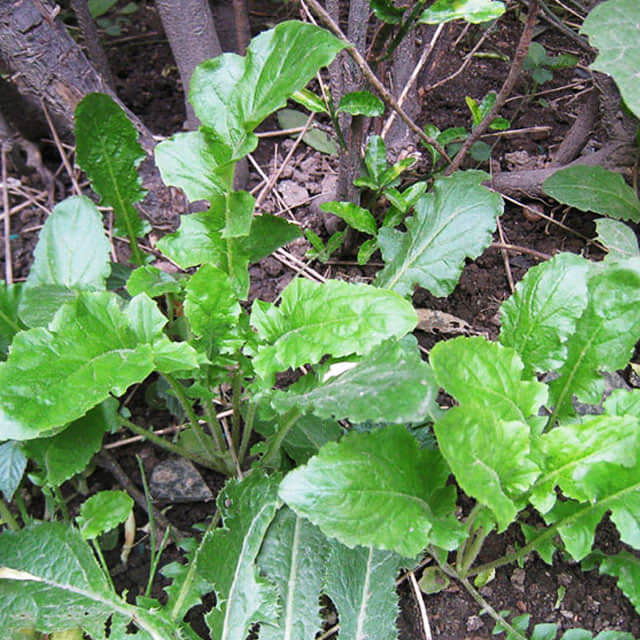
Why does your Rheum rhabarbarum have drooping leaves? Diagnose the cause and fix it with our step-by-step guide.

search Possible Causes

error

Water Stress (Drought or Dehydration)

Rhubarb has very large leaf surface areas that facilitate high transpiration rates. If the soil moisture is insufficient, the plant loses turgor pressure quickly, causing the heavy leaves to wilt.

Very Common
lightbulb
How to confirm: Stick your finger 2 inches into the soil; if it feels dry, the plant needs deep watering.
build How to fix it
shopping_cart Recommended Products
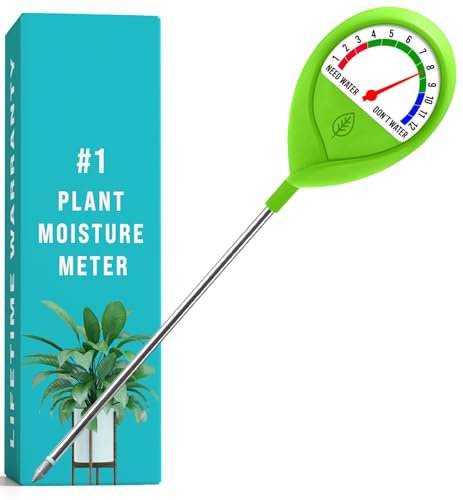
1 Check the soil moisture level immediately by inserting a probe into the root zone to confirm the depth of dehydration.
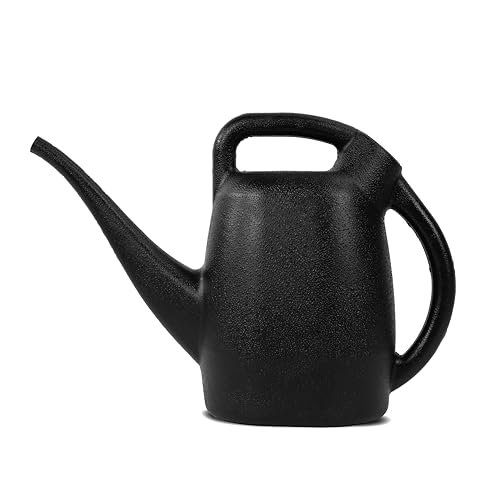
2 Apply a deep, slow watering to the base of the plant to ensure moisture reaches the deep root system, using a watering can with a precision nozzle to avoid soil erosion.
3 Apply a layer of organic mulch around the base of the rhubarb to help retain soil moisture and reduce evaporation from the large leaf surface.
error

Root Rot (Overwatering)

Rhubarb prefers moist but well-draining soil. Constant saturation leads to anaerobic conditions that rot the thick rhizomes, preventing the roots from absorbing the water needed to support leaf structure.

Very Common
lightbulb
How to confirm: Check for a foul smell in the soil and inspect if the base of the crown feels soft or mushy.
build How to fix it
shopping_cart Recommended Products
1 Immediately stop watering and allow the soil to dry out significantly to break the anaerobic cycle.
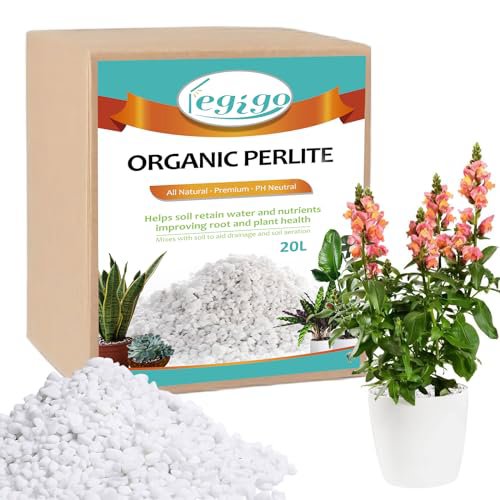
2 Repot the rhubarb in a well-draining medium, incorporating perlite to improve aeration and prevent future saturation.
3 Inspect the rhizomes for mushy, dark spots and prune away any completely rotted sections using sterilized tools.
warning

Nutrient Deficiency (Nitrogen)

Rhubarb is a heavy feeder. A lack of nitrogen prevents the development of strong cell walls and vigorous growth, making leaves appear limp and pale green rather than upright and robust.

Common
lightbulb
How to confirm: Observe if the drooping is accompanied by a distinct yellowing (chlorosis) of the older leaves.
build How to fix it
shopping_cart Recommended Products
1 Apply a nitrogen-rich organic fertilizer to the soil to boost leaf vigor and strengthen cell walls.
2 Supplement the soil with organic worm castings to provide a slow-release source of nitrogen and beneficial microbes.
3 Monitor soil moisture levels using a moisture meter to ensure the plant is not drooping due to dehydration instead of nutrient lack.
warning

Soil Compaction/Temperature Stress

Extremely high soil temperatures or compacted earth can restrict oxygen to the rhizomes, causing physiological wilt even if moisture is present in the topsoil.

Common
lightbulb
How to confirm: Check if the soil surface has formed a hard crust and use a garden fork to gently aerate around the perimeter of the crown.
build How to fix it
shopping_cart Recommended Products
1 Gently aerate the soil around the rhizome using a hand tool to alleviate compaction and allow oxygen to reach the roots.
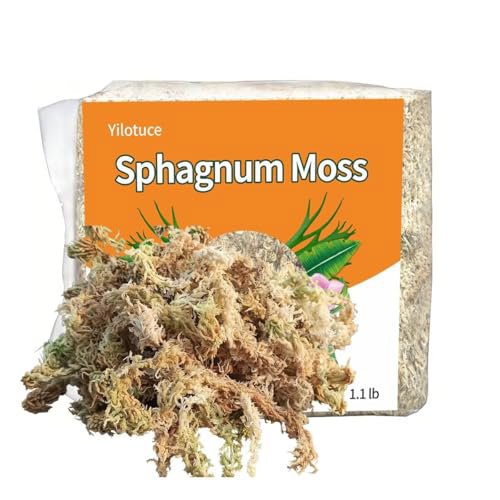
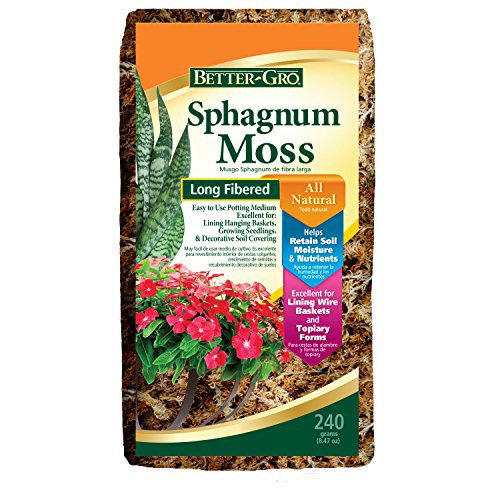
2 Apply a layer of organic mulch, such as sphagnum moss, around the base of the plant to insulate the soil and regulate temperature.
3 Monitor soil moisture levels deeply with a probe to ensure the plant is not actually experiencing drought stress beneath the surface.
local_hospital All symptoms eco All plants with drooping leaves
favorite