Rheum rhaponticum Drooping Leaves
eco Drooping Leaves

Rheum rhaponticum – Drooping Leaves

Why does your Rheum rhaponticum have drooping leaves? Diagnose the cause and fix it with our step-by-step guide.

search Possible Causes

error

Water Stress (Underwatering or Drought)

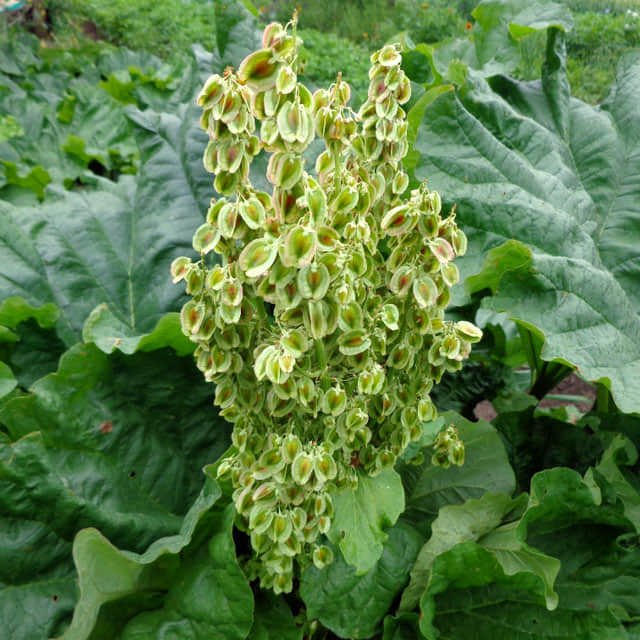
Rhubarb has large, expansive leaves that lose moisture quickly through transpiration. When soil moisture is insufficient, the plant loses turgor pressure, leading to visible wilting and drooping.

Very Common
lightbulb
How to confirm: Check the moisture level 2-3 inches below the soil surface; if it is bone dry, the plant requires immediate deep watering.
build How to fix it
shopping_cart Recommended Products
1 Immediately check the soil moisture level at the base of the plant to confirm the depth of the drought.
2 Apply a deep, slow watering to the root zone to ensure moisture reaches the deep root system of the rhubarb.
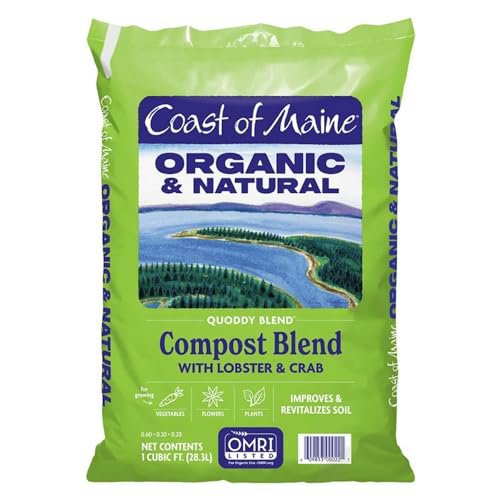
3 Apply a layer of organic mulch or compost around the base to help retain soil moisture and reduce evaporation.
error

Root Rot (Overwatering/Poor Drainage)

Excessive moisture in heavy soils can lead to fungal pathogens like Phytophthora attacking the rhizome. This prevents the roots from absorbing water, ironically causing the leaves to droop even in wet soil.

Very Common
lightbulb
How to confirm: Examine the base of the stalks for mushy texture or a foul odor and ensure the planting site has excellent drainage.
build How to fix it
shopping_cart Recommended Products
1 Immediately stop watering and allow the soil to dry out significantly to halt the spread of fungal pathogens.
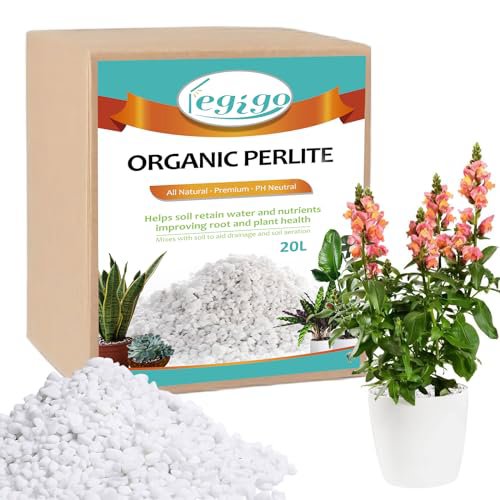
2 Repot the rhizome in a well-draining medium by mixing in horticultural perlite to improve aeration and prevent future waterlogging.
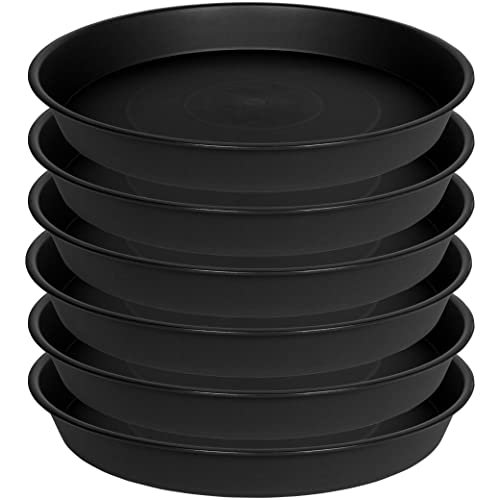
3 Ensure the plant is in a container or garden location with excellent drainage, using a saucer to catch excess water if necessary.
warning

Temperature Stress (Heat Exhaustion)

Extreme summer heat can cause Rhubarb leaves to wilt during the day as a defense mechanism to reduce surface area exposure. This is often temporary and recovers once temperatures drop.

Common
lightbulb
How to confirm: Observe if the drooping occurs primarily during peak afternoon sun and if the plant recovers its upright posture by morning.
build How to fix it
shopping_cart Recommended Products
1 Provide temporary shade during peak afternoon sun to reduce heat absorption and prevent permanent wilting.
2 Apply a thick layer of organic mulch around the base of the plant to insulate the soil and keep roots cool.
3 Monitor soil hydration levels to ensure the plant does not reach critical dehydration during heat waves.
warning

Nutrient Deficiency (Nitrogen)

Rhubarb is a heavy feeder that requires significant nitrogen to maintain its large leaf structure. A lack of available nitrogen can lead to weakened cell walls and less structural integrity in the petioles.

Common
lightbulb
How to confirm: Look for general chlorosis (yellowing) alongside the drooping, especially in younger leaves.
build How to fix it
shopping_cart Recommended Products
1 Apply a nitrogen-rich organic fertilizer to the soil to restore leaf structural integrity and promote lush growth.
2 Supplement the soil with organic worm castings to provide a slow-release source of nitrogen and beneficial microbes.
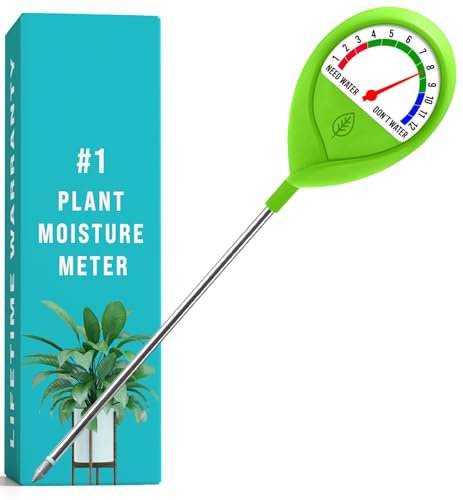
3 Monitor soil moisture levels using a moisture meter to ensure the plant is not drooping due to dehydration instead of nutrient lack.
local_hospital All symptoms eco All plants with drooping leaves
favorite