Rheum undulatum Drooping Leaves
eco Drooping Leaves

Rheum undulatum – Drooping Leaves

Why does your Rheum undulatum have drooping leaves? Diagnose the cause and fix it with our step-by-step guide.

search Possible Causes

error

Water Stress (Drought or Inconsistency)

As a species that prefers consistent moisture, Curly Rhubarb lacks significant water storage. When soil dries out too much, the turgor pressure in its large, wavy leaves drops rapidly, causing visible wilting.

Very Common
lightbulb
How to confirm: Check the moisture level 2 inches below the soil surface; if dry, the plant is likely thirsty.
build How to fix it
shopping_cart Recommended Products
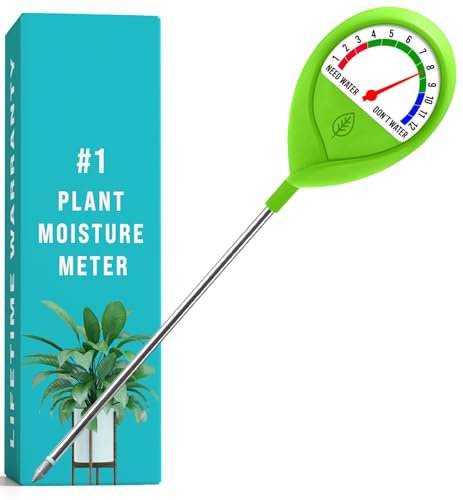
1 Check the soil moisture level immediately by inserting a probe into the root zone to determine if the plant is experiencing drought or overwatering.
2 Apply a deep, thorough watering to the base of the plant to restore turgor pressure, ensuring the soil remains consistently moist but not waterlogged.
3 Mulch the base of the Rhubarb with organic matter to help retain soil moisture and prevent future drying cycles.
error

Root Rot (Overwatering/Poor Drainage)

Excessive water in heavy soils leads to fungal decay of the rhizome and roots. This prevents the plant from transporting water to the large leaf surface area, resulting in leaves that appear limp despite wet soil.

Very Common
lightbulb
How to confirm: Gently lift the foliage to inspect the base of the stems for mushy, darkened, or foul-smelling tissue.
build How to fix it
shopping_cart Recommended Products
1 Immediately stop watering and allow the soil to dry out significantly to halt further rhizome decay.
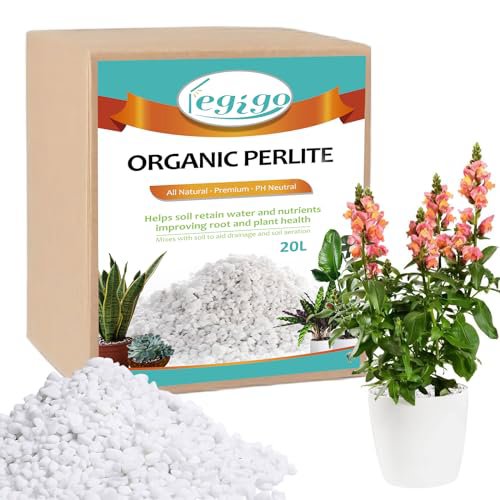
2 Repot the plant in a well-draining medium, incorporating perlite or coarse sand to improve aeration and prevent future waterlogging.
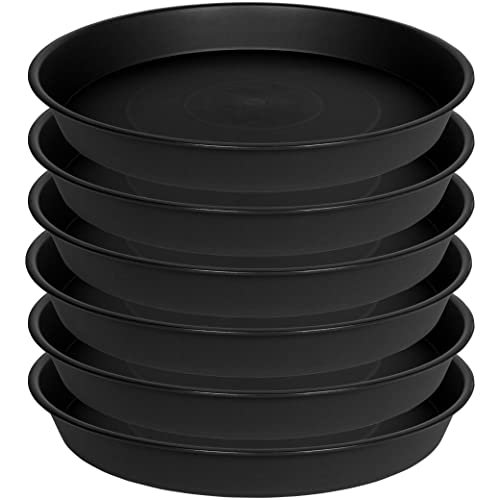
3 Ensure the plant is in a container with adequate drainage holes and use a saucer to catch excess water, making sure it is emptied regularly.
warning

Heat Stress

The large surface area of Rheum undulatum leaves promotes high transpiration rates. During extreme heat waves, the plant may droop to reduce surface exposure and conserve internal moisture.

Common
lightbulb
How to confirm: Observe if the drooping occurs only during the hottest part of the day and recovers in the evening.
build How to fix it
shopping_cart Recommended Products
1 Monitor soil moisture levels closely to ensure the plant is not actually dehydrated; use a moisture meter to check deep into the root zone.
2 Provide temporary shade during peak afternoon sun to reduce transpiration and lower the leaf temperature.
3 Apply a layer of organic mulch around the base of the plant to help regulate soil temperature and retain moisture.
warning

Nutrient Deficiency (Nitrogen)

A lack of available nitrogen interferes with chlorophyll production and structural cell strength. This can cause older, larger leaves to lose vigor and sag under their own weight.

Common
lightbulb
How to confirm: Look for a general yellowing (chlorosis) of the leaf margins alongside the drooping symptom.
build How to fix it
shopping_cart Recommended Products
1 Apply a nitrogen-rich organic fertilizer to boost chlorophyll production and restore leaf structural strength.
2 Check the soil moisture levels with a meter to ensure the drooping isn't actually caused by underwatering.
3 Supplement the soil with organic worm castings to provide a slow-release source of nitrogen and beneficial microbes.
local_hospital All symptoms eco All plants with drooping leaves
favorite