Rhipsalidopsis gaertneri Drooping Leaves
eco Drooping Leaves

Rhipsalidopsis gaertneri – Drooping Leaves

Why does your Rhipsalidopsis gaertneri have drooping leaves? Diagnose the cause and fix it with our step-by-step guide.

search Possible Causes

error

Underwatering and Low Humidity

As an epiphytic cactus, Rhipsalidopsis gaertneri relies on consistent moisture and high ambient humidity. When the substrate dries out completely, the stems lose turgor pressure, resulting in limp, drooping segments.

Very Common
lightbulb
How to confirm: Check if the soil is bone-dry and feel if the stems are shriveled or thin compared to healthy growth.
build How to fix it
shopping_cart Recommended Products
1 Immediately check the soil moisture level and water the plant thoroughly until water drains from the bottom of the pot.
2 Increase ambient humidity around the plant by using a pebble tray or a fine misting spray bottle to prevent further dehydration.
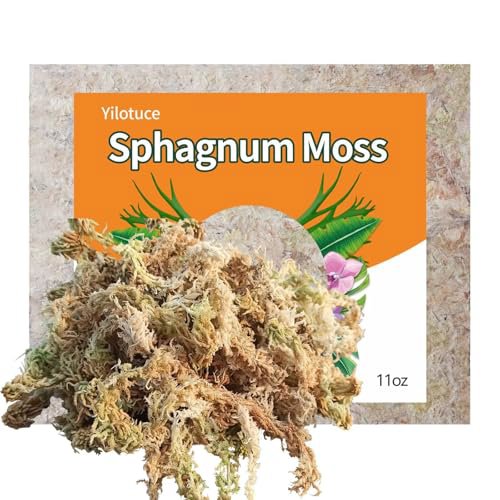
3 To ensure long-term moisture retention, consider repotting in a well-draining medium enriched with sphagnum moss.
error

Root Rot due to Overwatering

Excessive water retention in the potting medium suffocates the roots, preventing them from absorbing water even when the soil is wet. This causes a paradoxical symptom where the plant droops because it cannot hydrate itself.

Very Common
lightbulb
How to confirm: Gently lift the plant from its pot to inspect if the roots are dark, slimy, or have a foul odor.
build How to fix it
shopping_cart Recommended Products
1 Immediately remove the plant from its current pot and discard the waterlogged soil to stop the rot from spreading.
2 Trim away any mushy, black, or foul-smelling roots using sterilized shears and repot the plant in a well-draining, airy medium like a mix containing perlite or orchid bark.
3 Transition to a more controlled watering routine using a moisture meter to ensure the top inch of soil is dry before adding water again.
warning

Temperature Stress (Cold Shock)

Rhipsalidopsis gaertneri is sensitive to sudden drops in temperature. Exposure to drafts or temperatures below 55°F (13°C) can cause the metabolic processes to slow down, leading to immediate loss of stem rigidity.

Common
lightbulb
How to confirm: Check if the plant is located near a drafty window or an air conditioning vent.
build How to fix it
shopping_cart Recommended Products
1 Move the plant to a stable, warm environment away from cold drafts, windows, or air conditioning vents to stabilize its temperature.
2 Monitor the soil moisture closely using a moisture meter to ensure the plant does not suffer from overwatering while its metabolism is slowed by the cold.
3 Once the plant has recovered and stabilized, you can apply a diluted liquid seaweed fertilizer to help boost its resilience and nutrient uptake.
warning

Nutrient Deficiency (Nitrogen)

A lack of available nitrogen prevents the plant from maintaining strong cellular structures. Over time, this leads to weakened stems that cannot support the weight of the segments.

Common
lightbulb
How to confirm: Observe if the drooping is accompanied by a distinct yellowing (chlorosis) of the older stem segments.
build How to fix it
shopping_cart Recommended Products
1 Apply a nitrogen-rich liquid fertilizer to boost vegetative growth and strengthen stem structure.
2 Monitor soil moisture levels with a moisture meter to ensure the plant is not drooping due to dehydration.
3 Ensure the plant is receiving bright, indirect light to support nutrient uptake and photosynthesis.

Other Rhipsalidopsis gaertneri problems

Your plant might also be experiencing one of these issues:

local_hospital All symptoms eco All plants with drooping leaves
favorite