Rhododendron flammeum Brown Leaf Tips
eco Brown Leaf Tips

Rhododendron flammeum – Brown Leaf Tips

Why does your Rhododendron flammeum have brown leaf tips? Diagnose the cause and fix it with our step-by-step guide.

search Possible Causes

error

Salt Accumulation (Fertilizer Burn)

Rhododendrons are sensitive to high concentrations of salts found in many commercial fertilizers. Excessive salt buildup in the soil draws moisture out of the leaf cells, causing the tips to desiccate and turn brown.

Very Common
lightbulb
How to confirm: Check if you have recently applied a high-potassium or high-phosphorus fertilizer and look for white crusty deposits on the soil surface.
build How to fix it
shopping_cart Recommended Products
1 Flush the soil thoroughly with large amounts of fresh, low-mineral water to leach out accumulated fertilizer salts from the root zone.
2 Prune away the brown, desiccated leaf tips using sterilized shears to prevent further aesthetic damage and promote healthy growth.
3 Repot the plant in fresh, acid-loving soil and consider adding perlite to improve drainage and prevent future salt buildup.
error

Water Stress (Inconsistent Moisture)

Flame Rhododendrons require consistently moist, well-draining acidic soil. Prolonged periods of drought or failure to maintain humidity levels cause the furthest extremities of the leaf to die first.

Very Common
lightbulb
How to confirm: Check the moisture level of the substrate two inches below the surface; if it is bone dry, the plant is suffering from dehydration.
build How to fix it
shopping_cart Recommended Products
1 Monitor soil moisture levels closely using an analog meter to ensure the soil remains consistently moist but never waterlogged.
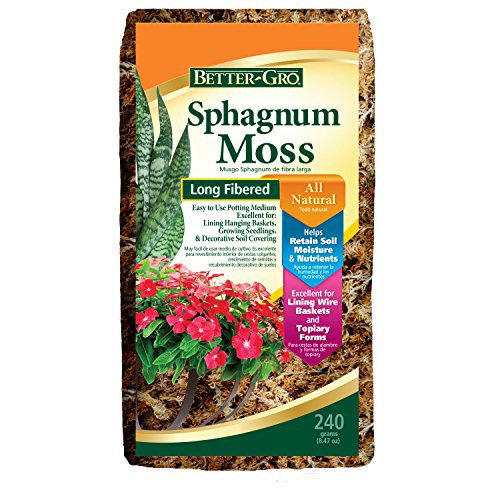
2 Apply a layer of sphagnum moss around the base of the plant to help retain moisture and maintain humidity levels.
3 Ensure the plant is in an acidic, well-draining medium and consider adding acid-loving plant fertilizer to support recovery.
warning

Root Rot (Phytophthora)

While brown tips often suggest dryness, overly saturated soil leads to root decay which prevents the plant from transporting water to the leaf margins. This creates a paradoxical symptom where the plant appears thirsty despite wet soil.

Common
lightbulb
How to confirm: Gently lift the edge of the pot or excavate slightly to see if the roots are black and slimy rather than firm and white.
build How to fix it
shopping_cart Recommended Products
1 Immediately inspect the root system for mushy, dark, or foul-smelling roots and prune away any decayed sections using sterilized tools.
2 Repot the plant in a well-draining, acidic medium specifically designed for acid-loving plants to ensure proper aeration and moisture control.
3 Monitor the soil moisture levels closely with a meter to ensure the substrate is allowed to dry out between waterings, preventing future saturation.
warning

Low Humidity/Dry Air

As a species that thrives in humid environments, extremely dry indoor air or sudden temperature drops can cause rapid transpiration from the leaf edges.

Common
lightbulb
How to confirm: Monitor the ambient humidity levels around the plant, especially if it is located near heating vents or air conditioning units.
build How to fix it
shopping_cart Recommended Products
1 Increase local humidity around the plant by using a pebble tray or a humidifier to prevent further moisture loss from leaf edges.
2 Mist the foliage regularly with a fine spray to provide immediate hydration to the leaves.
3 Monitor soil moisture levels closely to ensure the plant is not also experiencing drought stress, which can exacerbate tip burn.

Other Rhododendron flammeum problems

Your plant might also be experiencing one of these issues:

local_hospital All symptoms eco All plants with brown leaf tips
favorite