Rhododendron hirsutum White Cottony Spots
eco White Cottony Spots

Rhododendron hirsutum – White Cottony Spots

Why does your Rhododendron hirsutum have white cottony spots? Diagnose the cause and fix it with our step-by-step guide.

search Possible Causes

error

Mealybugs

These small insects produce a white, waxy, cottony secretion to protect themselves while feeding on the sap of Rhododendron hirsutum. They often cluster near the leaf axils and tender new growth.

Very Common
lightbulb
How to confirm: Inspect the undersides of leaves and stem joints for tiny, crawling white insects hidden within the fuzz.
build How to fix it
shopping_cart Recommended Products
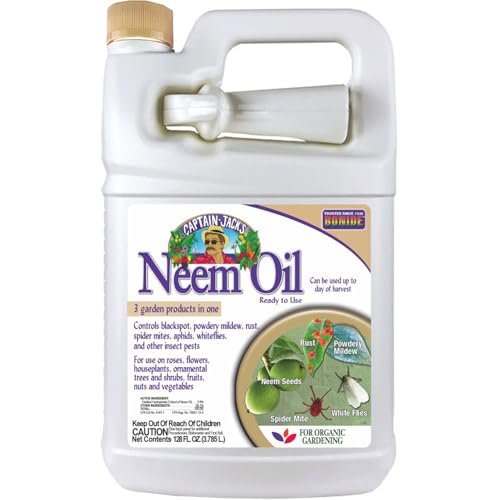
1 Apply an organic insecticide spray to the plant to eliminate existing mealybug colonies and kill larvae.
2 Manually remove visible cottony clusters using a cotton swab dipped in isopropyl alcohol to prevent further spreading.
3 Inspect nearby plants and increase airflow around the Rhododendron to discourage future pest infestations.
error

Woolly Aphids

Similar to mealybugs, woolly aphids excrete a white, cottony wax that can make parts of the plant look fuzzy. They feed on the sap, which can cause leaf distortion in Hairy Rhododendrons.

Very Common
lightbulb
How to confirm: Look for small, soft-bodied insects accompanied by sticky honeydew residue on the leaves.
build How to fix it
shopping_cart Recommended Products
1 Apply an organic insecticide spray to eliminate the woolly aphids and remove the white waxy coating from the plant stems and leaves.
2 Prune away any heavily infested or distorted stems to prevent the aphids from spreading to healthy parts of the Rhododendron.
3 Monitor the plant regularly using a spray to ensure no new aphid colonies are forming on the new growth.
warning

Powdery Mildew

This fungal pathogen manifests as a white, dusty coating on the leaf surfaces. While it looks like spots, it is actually a mycelium network that can thrive in the humid microclimates favored by Rhododendron species.

Common
lightbulb
How to confirm: Check if the white substance can be easily rubbed off the leaf surface with your finger.
build How to fix it
shopping_cart Recommended Products
1 Apply an organic fungicide to the affected leaves to eliminate the powdery mildew mycelium and prevent further spread.
2 Prune and dispose of heavily infected foliage to reduce the fungal load in the plant's microclimate.
3 Improve air circulation around the plant and avoid overhead watering to reduce the humidity that favors fungal growth.
warning

Scale Insects (Cottony Cover)

Certain types of scale insects develop a white, flocculent (cotton-like) covering as they mature. They attach firmly to the stems or leaf undersides of the plant.

Common
lightbulb
How to confirm: Examine if the white spots are stationary, hard bumps attached directly to the bark or leaf veins.
build How to fix it
shopping_cart Recommended Products
1 Apply an organic insecticide spray to the affected stems and leaf undersides to eliminate the scale insects and their cottony coverings.
2 Physically remove visible cottony clusters using a cotton swab dipped in isopropyl alcohol to prevent further infestation spread.
3 Monitor the plant's health and ensure it is in a well-ventilated area to reduce the humidity that pests thrive in.

Other Rhododendron hirsutum problems

Your plant might also be experiencing one of these issues:

local_hospital All symptoms eco All plants with white cottony spots
favorite