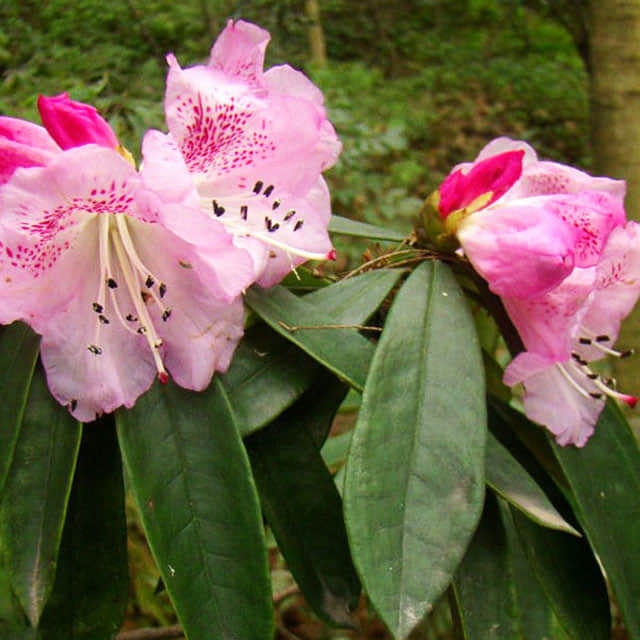
Rhododendron hunnewellianum Drooping Leaves
eco Drooping Leaves

Rhododendron hunnewellianum – Drooping Leaves

Why does your Rhododendron hunnewellianum have drooping leaves? Diagnose the cause and fix it with our step-by-step guide.

search Possible Causes

error

Root Rot (Phytophthora species)

As a member of the Ericaceae family, this cultivar is highly susceptible to waterlogged soils which trigger fungal pathogens. This leads to root decay, preventing the plant from transporting water upward and causing systemic wilting.

Very Common
lightbulb
How to confirm: Gently lift the edge of the mulch to check if the soil remains saturated and feels muddy long after watering.
build How to fix it
shopping_cart Recommended Products
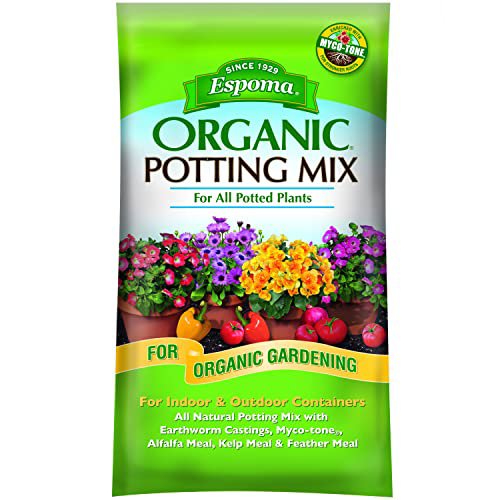
1 Immediately repot the plant into a well-draining medium to eliminate waterlogged conditions and stop the spread of Phytophthora.
2 Prune away any mushy, blackened, or decayed roots using sterilized shears to prevent further fungal infection.
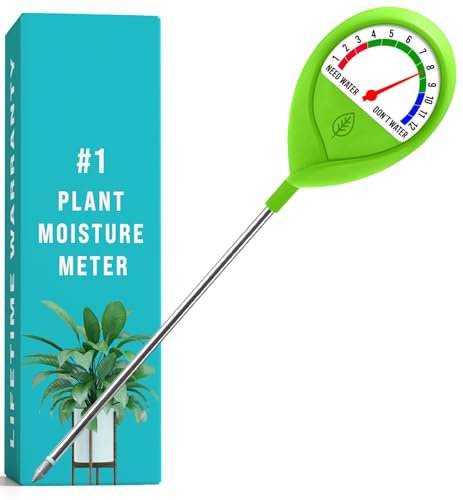
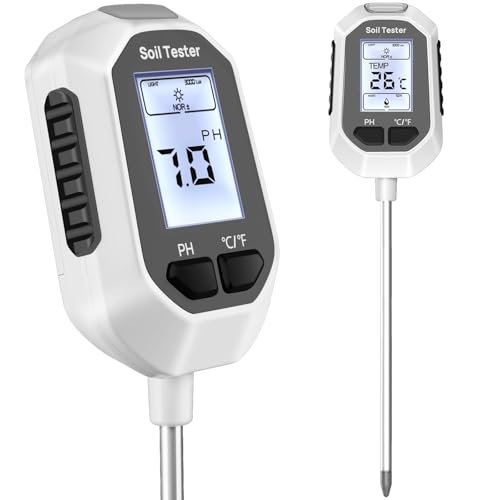
3 Monitor soil moisture levels closely with a meter to ensure the substrate remains moist but never saturated.
error

Water Stress (Drought)

Rhododendron hunnewellianum requires consistent moisture and does not tolerate dry soil. When the rhizosphere dries out, the plant loses turgor pressure in its large leaf blades, leading to visible drooping.

Very Common
lightbulb
How to confirm: Stick your finger two inches into the soil to determine if the substrate is significantly drier than usual.
build How to fix it
shopping_cart Recommended Products
1 Immediately check the soil moisture level at the root zone to confirm the extent of the drought.
2 Deeply water the plant to rehydrate the soil and restore turgor pressure to the leaves.
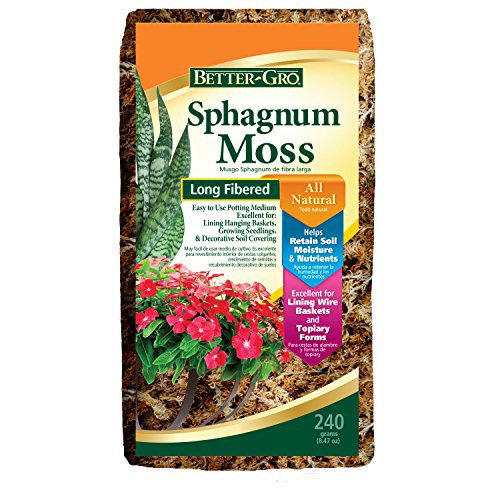
3 Apply a layer of organic mulch or sphagnum moss around the base to help retain moisture and prevent future drying.
warning

Root Bound / Container Constraint

If planted in a pot or a small pit, the dense, fibrous root system of this species can become encircled. This restricts the ability to absorb water even when the soil is moist, resulting in permanent wilting symptoms.

Common
lightbulb
How to confirm: Inspect the base of the plant for visible roots circling the perimeter of the planting hole or pot.
build How to fix it
shopping_cart Recommended Products
1 Repot the Rhododendron into a much larger container to provide space for the root system to expand and absorb nutrients effectively.
2 Use a high-quality, well-draining potting medium enriched with organic matter to support new root development.
3 Ensure the new pot has excellent drainage to prevent water from pooling around the dense root mass, which can lead to rot.
warning

Foliar Nutrient Deficiency (Iron Chlorosis)

While often characterized by yellowing, severe iron deficiency in acidic-loving plants can cause leaf structural weakness and drooping. This occurs if the soil pH rises above 5.5, making micronutrients unavailable.

Common
lightbulb
How to confirm: Check if the interveinal areas of the leaves are turning yellow while the veins remain dark green.
build How to fix it
shopping_cart Recommended Products
1 Test your soil pH to ensure it remains in the acidic range (ideally between 4.5 and 5.5) to prevent iron from becoming locked in the soil.
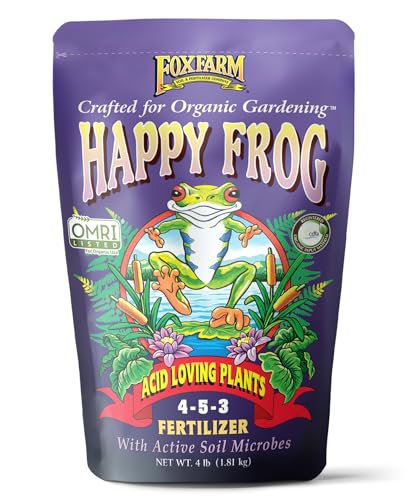
2 Apply an acid-loving plant fertilizer to provide the necessary nutrients and help lower the soil pH.
3 Check the soil moisture levels to ensure the plant is not also suffering from drought stress, which can mimic drooping symptoms.

Other Rhododendron hunnewellianum problems

Your plant might also be experiencing one of these issues:

local_hospital All symptoms eco All plants with drooping leaves
favorite