Rhododendron keleticum Drooping Leaves
eco Drooping Leaves

Rhododendron keleticum – Drooping Leaves

Why does your Rhododendron keleticum have drooping leaves? Diagnose the cause and fix it with our step-by-step guide.

search Possible Causes

error

Root Rot (Phytophthora)

As an acid-loving evergreen, Rhododendron keleticum is highly susceptible to Phytophthora if soil drainage is poor. Excess moisture causes root decay, which physically prevents the plant from transporting water to the leaves, resulting in wilting.

Very Common
lightbulb
How to confirm: Check the substrate for a sour smell and gently lift the plant to see if the roots are dark brown and mushy instead of firm and white.
build How to fix it
shopping_cart Recommended Products
1 Immediately reduce watering frequency and ensure the plant is in a well-draining environment to stop further root decay.
2 Repot the plant into a fresh, highly aerated medium specifically designed for acid-loving plants, incorporating perlite to improve drainage.
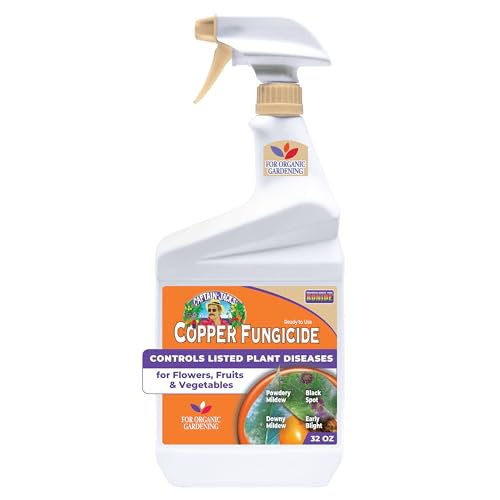
3 Apply a fungicide treatment to combat the Phytophthora pathogen and protect the remaining healthy root tissue.
error

Water Stress (Drought)

Rhododendron species have shallow, fibrous root systems that dry out quickly. If the substrate dries out completely between waterings, the leaves will lose turgor pressure and droop to conserve moisture.

Very Common
lightbulb
How to confirm: Insert your finger 2-3 cm into the soil; if it is bone dry, the plant requires immediate deep watering.
build How to fix it
shopping_cart Recommended Products
1 Immediately check the soil moisture level at the root zone to confirm the extent of the drought.
2 Deeply water the plant until water drains from the bottom of the pot, ensuring the shallow root system is fully rehydrated.
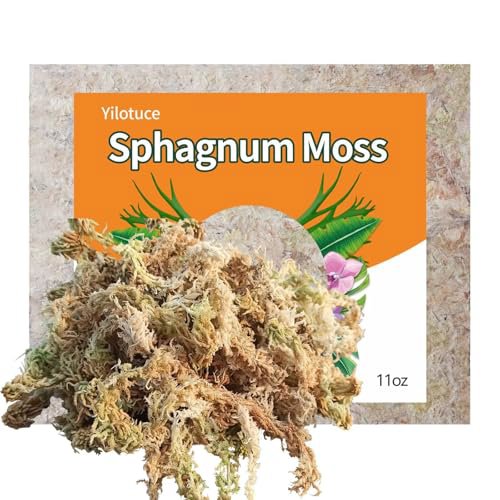
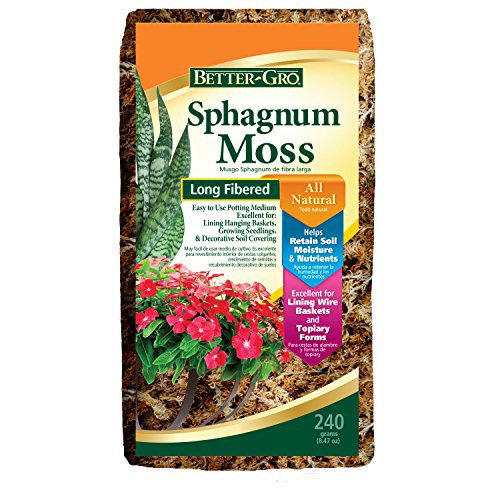
3 Apply a layer of organic mulch or sphagnum moss around the base to help retain moisture and prevent future drying cycles.
warning

Temperature Stress (Heat Scorching)

High temperatures and intense direct sunlight can cause transpiration rates to exceed water uptake. This causes the foliage of this species to wilt as a defense mechanism against heat exhaustion.

Common
lightbulb
How to confirm: Observe if the drooping occurs specifically during the hottest part of the day and if leaf margins appear scorched or brown.
build How to fix it
shopping_cart Recommended Products
1 Move the plant to a cooler location with dappled shade or filtered light to reduce direct solar radiation and heat absorption.
2 Increase ambient humidity around the foliage using a fine mist to help lower leaf temperature and reduce transpiration stress.
3 Monitor soil moisture levels closely to ensure the root zone remains consistently moist but not waterlogged, preventing further dehydration.
warning

Nutrient Deficiency (Iron Chlorosis)

If the soil pH rises above 5.5, Rhododendron keleticum cannot absorb iron effectively. While primarily seen as yellowing leaves, severe deficiency can lead to weakened plant structure and drooping.

Common
lightbulb
How to confirm: Check if the leaf veins remain green while the rest of the leaf tissue turns pale yellow.
build How to fix it
shopping_cart Recommended Products
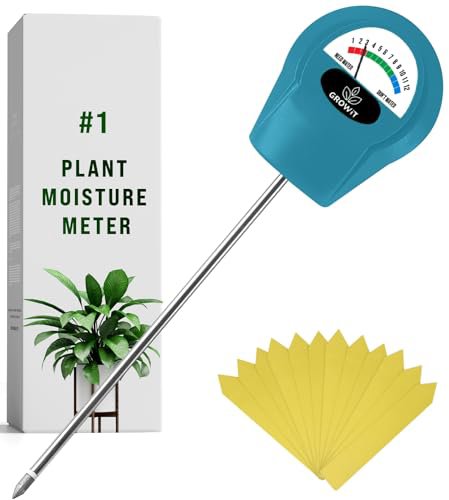
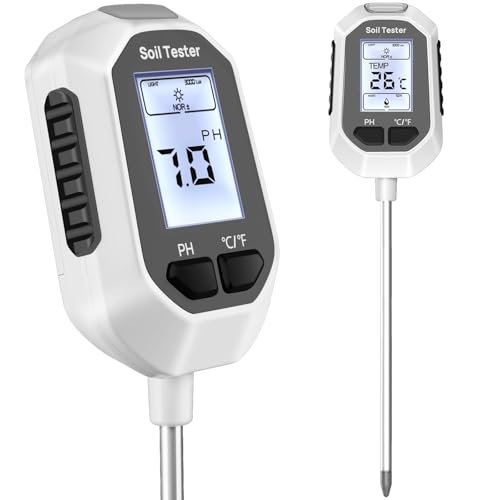
1 Test your soil pH to ensure it remains acidic (ideally between 4.5 and 5.5) to allow for proper iron uptake.
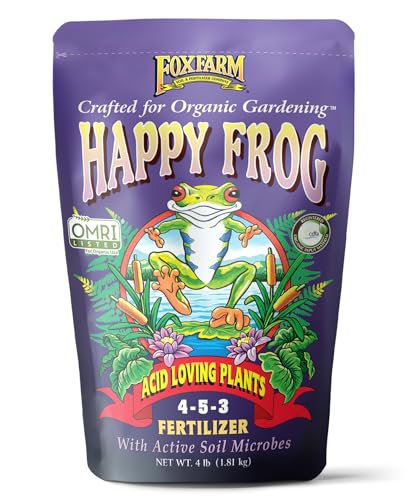
2 Apply an acid-loving plant fertilizer to provide the necessary nutrients and help lower the soil pH.
3 Amend the soil with organic matter like sphagnum moss to improve moisture retention and acidity.

Other Rhododendron keleticum problems

Your plant might also be experiencing one of these issues:

local_hospital All symptoms eco All plants with drooping leaves
favorite