Rhododendron lutescens Sudden Leaf Drop
eco Sudden Leaf Drop

Rhododendron lutescens – Sudden Leaf Drop

Why does your Rhododendron lutescens have sudden leaf drop? Diagnose the cause and fix it with our step-by-step guide.

search Possible Causes

error

Root Rot (Phytophthora)

Excessive soil moisture or poor drainage leads to the development of Phytophthora species, which attack the root system of Rhododendrons. As the roots decay, the plant can no longer support foliage, resulting in rapid leaf senescence and drop.

Very Common
lightbulb
How to confirm: Gently lift a small area of soil near the base to check if the roots are dark brown and slimy rather than firm and white.
build How to fix it
shopping_cart Recommended Products
1 Immediately inspect the roots for mushy, dark brown decay and prune away any dead or rotting sections using sterilized tools.
2 Repot the plant in a highly aerated, well-draining medium to prevent further moisture buildup around the root zone.
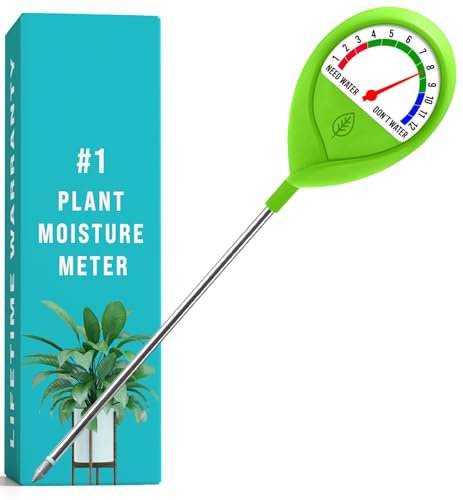
3 Ensure the new container has excellent drainage and use a moisture meter to monitor soil levels, preventing the plant from staying waterlogged.
error

Environmental Shock (Temperature or Drought)

Rhododendron lutescens is sensitive to sudden extreme temperature shifts or prolonged dry periods. A sudden drop in humidity or high heat can trigger an emergency physiological response where the plant sheds leaves to conserve moisture.

Very Common
lightbulb
How to confirm: Check the recent weather history for any frost events or extended heatwaves following a period of low rainfall.
build How to fix it
shopping_cart Recommended Products
1 Check the soil moisture levels immediately to ensure the plant is not suffering from drought stress; use a moisture meter to check deep into the root zone.
2 Stabilize the environment by increasing humidity around the plant and protecting it from sudden temperature fluctuations or direct heat.
3 Apply a liquid seaweed fertilizer to help the plant recover from physiological stress and boost nutrient uptake.
warning

Improper Soil pH (Nutrient Lockout)

As an acid-loving species, if the soil pH rises above 5.5-6.0, the plant cannot uptake essential micronutrients like iron. This physiological stress can lead to chlorosis and subsequent premature leaf drop.

Common
lightbulb
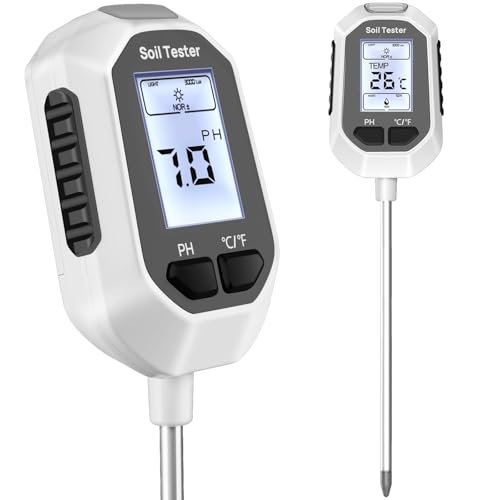
How to confirm: Use a soil test kit to confirm that the rhizosphere maintains an acidic pH between 4.5 and 5.5.
build How to fix it
shopping_cart Recommended Products
1 Apply an acidifying fertilizer to lower the soil pH and restore nutrient availability.
2 Check the soil pH levels regularly using a meter to ensure the environment stays within the 5.5-6.0 range.
3 Mulch the base of the plant with organic matter to help maintain consistent acidity and moisture.
warning

Fungal Leaf Spot (Cylindrocladium)

High humidity and poor air circulation around the foliage can promote fungal pathogens that cause spotting and rapid defoliation. This is particularly common in dense plantings where moisture lingers on the leaves.

Common
lightbulb
How to confirm: Inspect the remaining leaves for dark, necrotic spots or irregular blotches before they fall.
build How to fix it
shopping_cart Recommended Products
1 Apply an organic fungicide to treat the fungal spots and prevent further spread of the pathogen.
2 Improve air circulation around the foliage by pruning dense areas and thinning out crowded leaves.
3 Reduce humidity levels by avoiding overhead watering and ensuring the plant is not in a stagnant, moisture-trapping area.

Other Rhododendron lutescens problems

Your plant might also be experiencing one of these issues:

local_hospital All symptoms eco All plants with sudden leaf drop
favorite