Rhododendron mucronatum Drooping Leaves
eco Drooping Leaves

Rhododendron mucronatum – Drooping Leaves

Why does your Rhododendron mucronatum have drooping leaves? Diagnose the cause and fix it with our step-by-step guide.

search Possible Causes

error

Water Stress (Drought or Underwatering)

As an evergreen shrub with relatively shallow root systems, R. mucronatum is highly sensitive to moisture fluctuations; lack of water causes a loss of turgor pressure in the leaves.

Very Common
lightbulb
How to confirm: Check if the soil surface is dry several centimeters deep and if the leaf texture feels brittle.
build How to fix it
shopping_cart Recommended Products
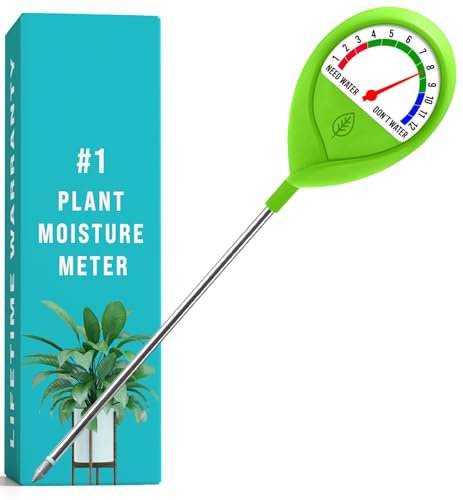
1 Immediately check the soil moisture level at the root zone to confirm the extent of the drought.
2 Deeply water the plant, ensuring the soil is thoroughly saturated to restore turgor pressure to the leaves.
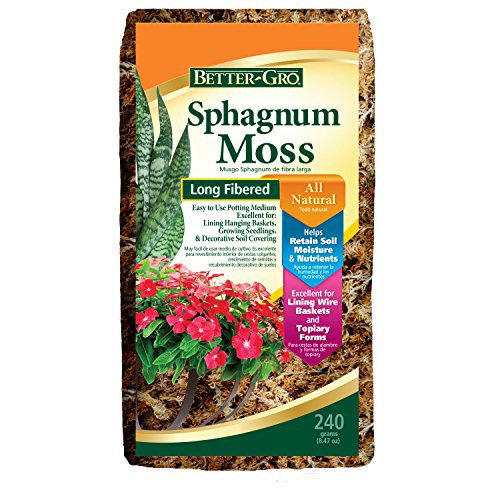
3 Apply a mulch layer around the base of the plant to help retain soil moisture and prevent future evaporation.
error

Root Rot (Phytophthora species)

Overly saturated, poorly draining soil promotes fungal pathogens that attack the roots of Rhododendrons, preventing the plant from absorbing water despite high soil moisture.

Very Common
lightbulb
How to confirm: Carefully inspect the roots for any dark, slimy, or foul-smelling decayed tissue.
build How to fix it
shopping_cart Recommended Products
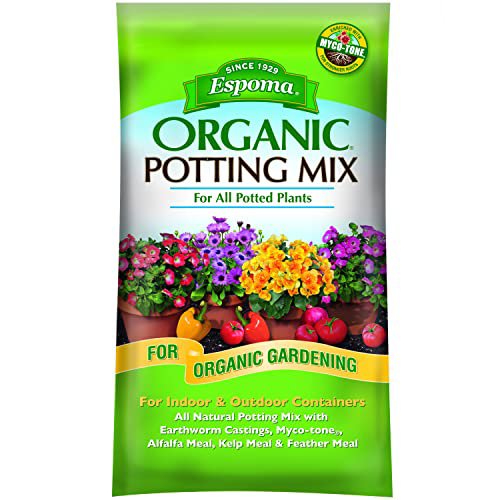
1 Immediately repot the plant into a well-draining medium to reduce moisture around the roots and stop the spread of Phytophthora.
2 Prune away any mushy, blackened, or dead roots using sterilized shears to prevent further rot.
3 Monitor the soil moisture levels closely using a meter to ensure the substrate is not staying saturated for too long.
warning

Root Bound Condition

If grown in containers, a dense mass of roots can prevent new growth from accessing nutrients and water, leading to systemic drooping during warmer periods.

Common
lightbulb
How to confirm: Gently lift the plant from its pot to see if the roots are circling tightly around the interior walls.
build How to fix it
shopping_cart Recommended Products
1 Gently remove the plant from its current container to inspect the root mass; if roots are circling the pot, prune any excessively long or dead roots.
2 Repot the Rhododendron into a larger container with fresh, well-draining soil to provide room for root expansion and improved nutrient access.
3 Ensure the new pot has excellent drainage and use a moisture meter to prevent the soil from drying out too quickly in the larger volume of medium.
warning

Temperature Shock or Heat Stress

Extreme heat or sudden temperature fluctuations can cause R. mucronatum to wilt as a defense mechanism to reduce transpiration surface area.

Common
lightbulb
How to confirm: Observe if the drooping occurs specifically during the hottest part of the day and recovers overnight.
build How to fix it
shopping_cart Recommended Products
1 Move the plant to a cooler, shaded location to protect it from direct sunlight and extreme temperature fluctuations.
2 Increase local humidity around the foliage by using a fine mist spray to reduce transpiration stress.
3 Check soil moisture levels to ensure the plant is not also suffering from dehydration; use a moisture meter to avoid overwatering during heat stress.

Other Rhododendron mucronatum problems

Your plant might also be experiencing one of these issues:

local_hospital All symptoms eco All plants with drooping leaves
favorite