Rhododendron polycladum Drooping Leaves
eco Drooping Leaves

Rhododendron polycladum – Drooping Leaves

Why does your Rhododendron polycladum have drooping leaves? Diagnose the cause and fix it with our step-by-step guide.

search Possible Causes

error

Root Rot (Phytophthora)

As a member of the Ericaceae family, R. polycladum requires well-draining acidic soil; excess moisture leads to fungal pathogens that destroy root tissue, preventing water transport to leaves.

Very Common
lightbulb
How to confirm: Gently lift the plant from its container or dig near the base to check for dark, mushy, or foul-smelling roots.
build How to fix it
shopping_cart Recommended Products
1 Immediately remove the plant from its current container and prune away any mushy, black, or foul-smelling roots caused by the Phytophthora pathogen.
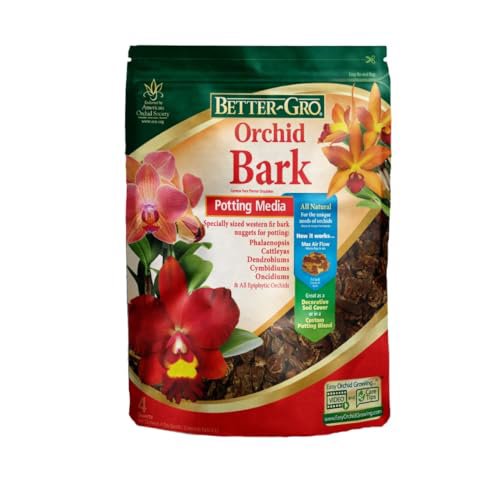
2 Repot the plant in a highly aerated, acidic, and well-draining medium to prevent future waterlogging; a mix of organic orchid bark and perlite is ideal.
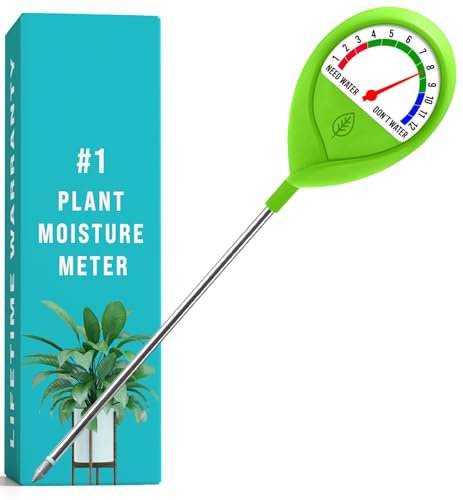
3 Monitor the soil moisture levels closely using an analog meter to ensure the substrate stays moist but never waterlogged.
error

Water Stress (Drought)

Rhododendrons have shallow root systems that are highly susceptible to drying out, causing a loss of turgor pressure in the foliage.

Very Common
lightbulb
How to confirm: Check the moisture level 2-3 inches below the soil surface; if bone dry, the plant needs immediate deep watering.
build How to fix it
shopping_cart Recommended Products
1 Immediately check the soil moisture level using a probe to determine the depth of the drought.
2 Apply a deep, slow watering to the base of the plant to ensure the shallow root system is fully rehydrated.
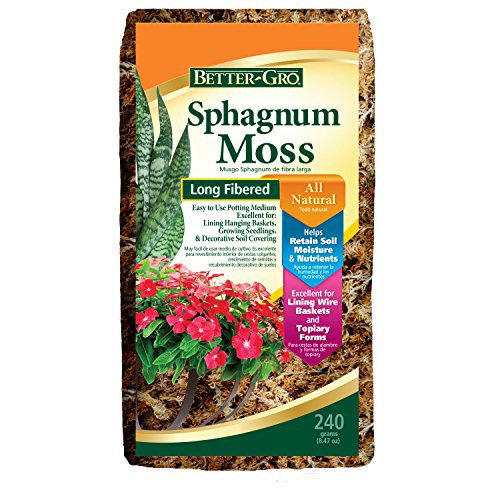
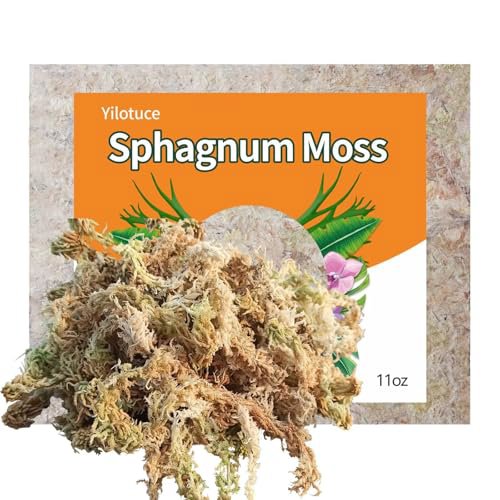
3 Apply a layer of organic mulch or sphagnum moss around the base to help retain soil moisture and prevent future drying.
warning

Root Desiccation from Transplant Shock

The delicate root architecture of this species is easily damaged during movement, leading to temporary leaf wilt as the plant struggles to re-establish nutrient uptake.

Common
lightbulb
How to confirm: Evaluate if the drooping started shortly after a recent repotting or relocation event.
build How to fix it
shopping_cart Recommended Products
1 Apply a liquid seaweed fertilizer to help the plant recover from stress and boost nutrient uptake during this critical period.
2 Monitor soil moisture levels closely with a moisture meter to ensure the root zone remains consistently damp but not waterlogged.
3 Mulch the base of the plant with sphagnum moss to help retain soil moisture and stabilize the root environment.
warning

Nutrient Deficiency (Iron Chlorosis)

In high pH soils, this species cannot absorb iron, which can weaken the plant's vascular strength and lead to limp, chlorotic foliage.

Common
lightbulb
How to confirm: Inspect the leaves for yellowing between green veins (interveinal chlorosis) alongside the drooping symptom.
build How to fix it
shopping_cart Recommended Products
1 Lower the soil pH to an acidic range (4.5–5.5) to ensure iron availability, as high pH prevents nutrient uptake.
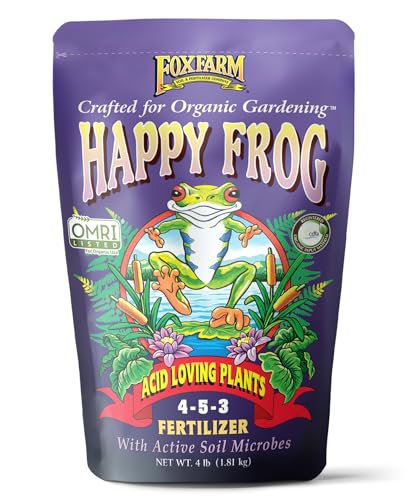
2 Apply an acid-loving plant fertilizer to provide the necessary nutrients for recovering foliage.
3 Monitor soil moisture levels using a moisture meter to prevent the stress of both overwatering and underwatering.

Other Rhododendron polycladum problems

Your plant might also be experiencing one of these issues:

local_hospital All symptoms eco All plants with drooping leaves
favorite