Rhododendron racemosum Drooping Leaves
eco Drooping Leaves

Rhododendron racemosum – Drooping Leaves

Why does your Rhododendron racemosum have drooping leaves? Diagnose the cause and fix it with our step-by-step guide.

search Possible Causes

error

Water Stress (Drought or Dehydration)

As an acid-loving plant that prefers consistent moisture, Rhododendron racemosum is highly susceptible to wilting when soil moisture levels drop significantly. This leads to a loss of turgor pressure in the leaf cells, causing visible drooping.

Very Common
lightbulb
How to confirm: Check the soil moisture 2 inches below the surface; if it is bone dry, the plant requires immediate deep watering.
build How to fix it
shopping_cart Recommended Products
1 Immediately check the soil moisture level at the root zone to confirm the extent of dehydration.
2 Apply a deep, thorough watering to the base of the plant to restore turgor pressure, ensuring the soil remains consistently moist but not waterlogged.
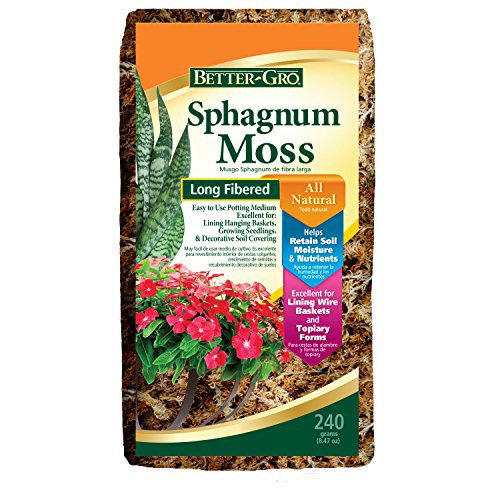
3 Apply a layer of organic mulch or sphagnum moss around the base to help retain moisture and prevent future drought stress.
error

Root Rot (Phytophthora)

Excessive moisture or poor drainage can lead to fungal pathogens like Phytophthora attacking the root system. This prevents the tree from transporting water upward, resulting in drooping leaves that may feel limp despite wet soil.

Very Common
lightbulb
How to confirm: Examine the base of the plant and roots for any dark, mushy, or foul-smelling tissue.
build How to fix it
shopping_cart Recommended Products
1 Immediately reduce watering frequency and ensure the plant is in a well-draining environment to stop the spread of Phytophthora.
2 Repot the plant into a fresh, highly aerated medium using a mix of organic potting soil and perlite to improve drainage and oxygen to the roots.
3 Apply a fungicide treatment to the soil to combat the fungal pathogen and protect the remaining healthy root structure.
warning

Temperature Stress (Heat Scorch)

Rhododendron racemosum prefers cooler, temperate climates; extreme heat or sudden temperature spikes can cause the plant to wilt as it struggles with transpiration rates. This is often accompanied by browning at the leaf margins.

Common
lightbulb
How to confirm: Observe if the drooping occurs primarily during the hottest part of the day and recovers overnight.
build How to fix it
shopping_cart Recommended Products
1 Move the plant to a cooler, shaded location or provide temporary shade to protect the foliage from direct afternoon sun and extreme heat spikes.
2 Apply a mulch layer around the base of the plant to help regulate soil temperature and retain moisture during heat waves.
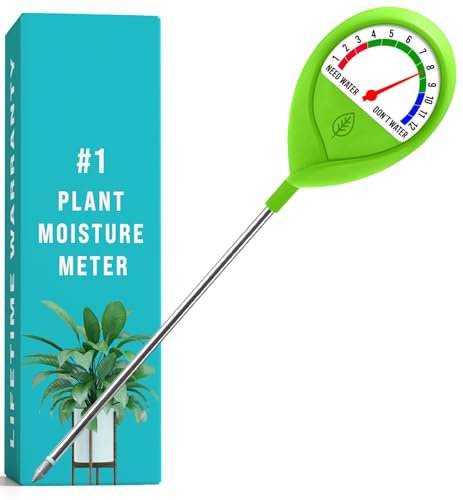
3 Monitor soil moisture levels closely to ensure the plant remains hydrated without becoming waterlogged, using a moisture meter to prevent root stress.
warning

Nutrient Deficiency (Iron Chlorosis)

While often associated with yellowing, severe iron deficiency in acid-loving Rhododendrons can weaken the plant's structural integrity. This happens when the soil pH is too high, making essential micronutrients unavailable to the roots.

Common
lightbulb
How to confirm: Look for interveinal chlorosis (yellow leaves with green veins) accompanying the drooping symptoms.
build How to fix it
shopping_cart Recommended Products
1 Lower the soil pH to an acidic level (ideally 4.5 to 5.5) to ensure iron and other micronutrients are chemically available for root uptake.
2 Apply a specialized acid-loving fertilizer to provide the necessary nutrients for structural recovery and leaf health.
3 Monitor soil moisture levels using a moisture meter to ensure the plant is not experiencing drought stress, which can mimic drooping symptoms.

Other Rhododendron racemosum problems

Your plant might also be experiencing one of these issues:

local_hospital All symptoms eco All plants with drooping leaves
favorite