Rhus copallina Yellow Leaves
eco Yellow Leaves

Rhus copallina – Yellow Leaves

Why does your Rhus copallina have yellow leaves? Diagnose the cause and fix it with our step-by-step guide.

search Possible Causes

error

Nitrogen Deficiency

In Winged Sumac, nitrogen deficiency typically manifests as a uniform yellowing of the older leaves first, as the plant mobilizes nutrients to new growth. This is common in depleted or highly leached soils where sumac is planted.

Very Common
lightbulb
How to confirm: Observe if the yellowing starts on the oldest leaves at the base of the shrub and move upward.
build How to fix it
shopping_cart Recommended Products
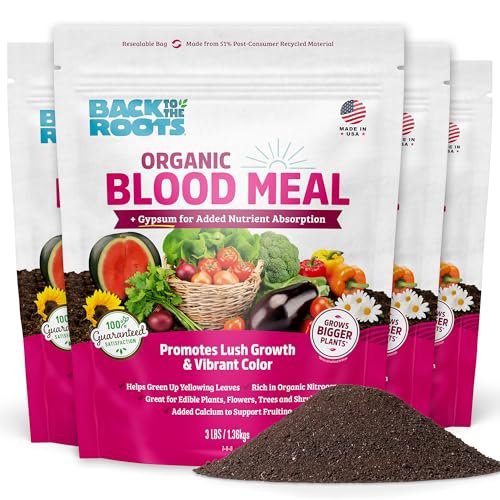
1 Apply a nitrogen-rich organic fertilizer to the soil to replenish depleted nutrients and stop the yellowing of older leaves.
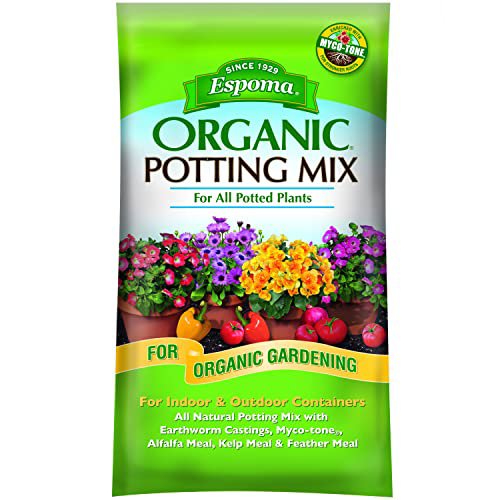
2 Incorporate organic matter like worm castings into the root zone to improve long-term nutrient availability and soil health.
3 Monitor soil moisture levels using a moisture meter to ensure nitrogen is being effectively delivered to the roots without leaching away from overwatering.
error

Excessive Soil Moisture/Root Hypoxia

While Rhus copallina is drought-tolerant, waterlogged soil prevents oxygen from reaching the roots, causing chlorophyll breakdown. This leads to chlorosis (yellowing) and can eventually cause leaf drop.

Very Common
lightbulb
How to confirm: Check the soil moisture levels 2 inches below the surface; if it feels saturated or muddy, drainage is likely the issue.
build How to fix it
shopping_cart Recommended Products
1 Immediately check the soil moisture levels using a moisture meter to confirm if the root zone is waterlogged.
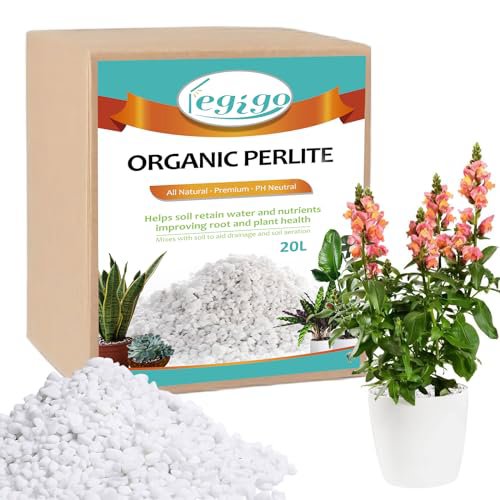
2 Improve soil drainage by incorporating perlite or coarse sand into the potting medium to increase aeration and prevent future root hypoxia.
3 Ensure the plant is in a container with adequate drainage holes and use a saucer to prevent water from pooling around the base.
warning

Iron Chlorosis

If the soil pH is too high (alkaline), the Sumac cannot uptake iron effectively. This results in bright yellow leaves with distinct dark green veins (interveinal chlorosis).

Common
lightbulb
How to confirm: Examine if the leaf tissue between the veins is yellow while the veins remain dark green.
build How to fix it
shopping_cart Recommended Products
1 Test your soil pH to confirm alkalinity; iron uptake is restricted when pH levels are too high.
2 Apply an acidifying soil amendment or a chelated iron supplement to lower the pH and make iron bioavailable.
3 Mulch the base of the plant with organic matter like pine needles or compost to naturally acidify the rhizosphere over time.
warning

Temperature Stress

Extreme fluctuations, such as a sudden late spring frost or intense heatwaves, can disrupt the photosynthetic processes in Rhus copallina. This often causes leaves to yellow before they senescence.

Common
lightbulb
How to confirm: Check recent local weather patterns for extreme temperature spikes or freezes coinciding with the onset of yellowing.
build How to fix it
shopping_cart Recommended Products
1 Protect the plant from extreme temperature swings by using mulch around the base to insulate the root zone.
2 Monitor soil moisture levels closely during heatwaves to ensure the plant does not experience drought stress alongside temperature fluctuations.
3 Provide temporary shade during intense heatwaves using a shade cloth to reduce thermal stress on the foliage.
local_hospital All symptoms eco All plants with yellow leaves
favorite