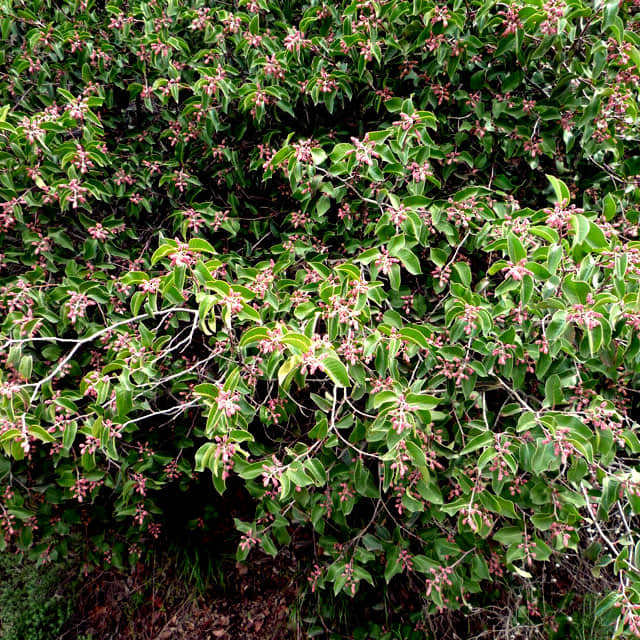
Rhus ovata Yellow Leaves
eco Yellow Leaves

Rhus ovata – Yellow Leaves

Why does your Rhus ovata have yellow leaves? Diagnose the cause and fix it with our step-by-step guide.

search Possible Causes

error

Nitrogen Deficiency

The Anise tree requires consistent nitrogen for chlorophyll production; a lack of this nutrient typically manifests as chlorosis (yellowing) starting with older leaves.

Very Common
lightbulb
How to confirm: Observe if the yellowing is most prominent on the oldest leaves at the base of the canopy first.
build How to fix it
shopping_cart Recommended Products
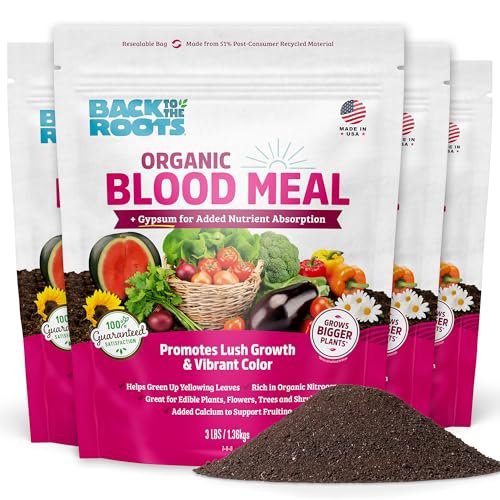
1 Apply a nitrogen-rich organic fertilizer to boost chlorophyll production and green up the foliage.
2 Incorporate organic worm castings into the top layer of the soil to provide a slow-release source of nitrogen and beneficial microbes.
3 Monitor soil moisture levels using a moisture meter to ensure the nitrogen is being effectively absorbed by the roots without causing waterlogging.
error

Overwatering and Root Hypoxia

Rhus ovata is drought-tolerant but highly susceptible to root rot if soil remains saturated, leading to yellowing foliage due to impaired oxygen uptake in roots.

Very Common
lightbulb
How to confirm: Stick your finger deep into the soil to see if it remains damp for several days after a watering session.
build How to fix it
shopping_cart Recommended Products
1 Immediately stop watering and allow the soil to dry out completely to restore oxygen to the root zone.
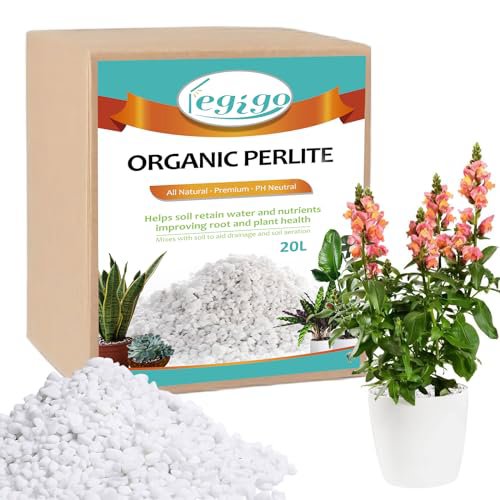
2 Repot the plant in a well-draining medium, incorporating perlite to improve aeration and prevent future saturation.
3 Ensure the plant is in a container with adequate drainage and use a saucer to prevent water from pooling at the base.
warning

Iron Chlorosis

In alkaline or high-pH soils, Rhus ovata cannot effectively absorb iron, resulting in bright yellow leaves with distinct green veins (interveinal chlorosis).

Common
lightbulb
How to confirm: Check if the new growth is turning yellow while the leaf veins remain dark green.
build How to fix it
shopping_cart Recommended Products
1 Apply a chelated iron supplement or a specialized acidifying fertilizer to lower the soil pH and make iron more bioavailable.
2 Monitor the soil pH levels regularly to ensure the environment remains acidic enough for iron uptake.
3 Amend the existing soil with organic matter like compost or peat moss to help naturally buffer and lower the pH.
warning

Salt Accumulation

High salinity in soil or hard water can cause leaf burn and yellowing as osmotic stress prevents the Anise tree from absorbing necessary moisture.

Common
lightbulb
How to confirm: Look for a white, crusty residue on the soil surface or the edges of the pot/base of the trunk.
build How to fix it
shopping_cart Recommended Products
1 Flush the soil thoroughly with large amounts of distilled or rainwater to leach out accumulated mineral salts from the root zone.
2 Monitor soil hydration levels closely to ensure the plant is not experiencing osmotic stress, using a moisture meter to prevent overwatering during the flushing process.
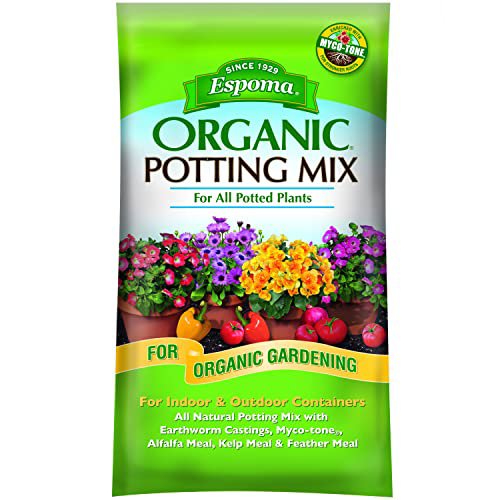
3 Repot the tree in fresh, high-quality potting medium to provide a clean environment free of existing salt buildup.
local_hospital All symptoms eco All plants with yellow leaves
favorite