Rosa chinensis Yellow Leaves
eco Yellow Leaves

Rosa chinensis – Yellow Leaves

Why does your Rosa chinensis have yellow leaves? Diagnose the cause and fix it with our step-by-step guide.

pets Pet Friendly

search Possible Causes

error

Nitrogen Deficiency

Nitrogen is a mobile nutrient in Rosa chinensis; when lacking, the plant redistributes it from older leaves to new growth, causing older foliage to turn pale yellow.

Very Common
lightbulb
How to confirm: Observe if the yellowing starts on the bottom-most leaves while the top buds remain green.
build How to fix it
shopping_cart Recommended Products
1 Apply a nitrogen-rich liquid fertilizer to provide immediate nutrient uptake for the struggling foliage.
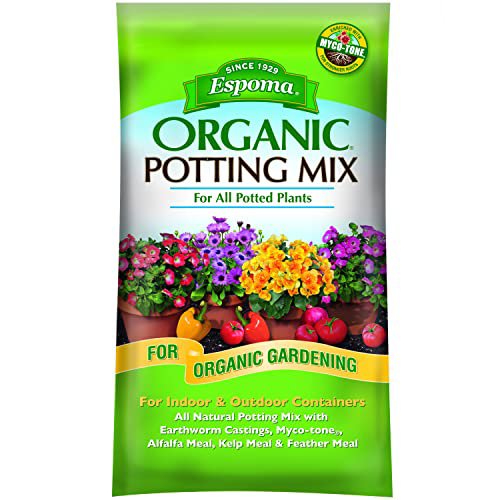
2 Incorporate an organic soil amendment like blood meal into the top layer of the soil to provide a slow-release nitrogen boost.
3 Monitor soil moisture levels with a meter to ensure the nitrogen is being effectively transported to the roots without causing waterlogging.
error

Overwatering and Root Hypoxia

Excessive moisture in the substrate prevents oxygen from reaching the roots, leading to root suffocation and a characteristic uniform yellowing of leaves.

Very Common
lightbulb
How to confirm: Stick your finger two inches into the soil to check if it remains saturated for prolonged periods.
build How to fix it
shopping_cart Recommended Products
1 Immediately reduce watering frequency and allow the top inch of soil to dry out completely before watering again to restore oxygen to the root zone.
2 Check the drainage of your current container; if water is pooling, consider repotting into a more porous medium by mixing in horticultural perlite to improve aeration.
3 Inspect the roots for any signs of mushy, dark rot; if found, prune the damaged sections and repot in fresh, well-draining soil.
warning

Black Spot Disease (Diplocarpon rosae) - Early Stage

While primarily known for dark spots, the initial physiological stress and localized chlorosis caused by this fungal pathogen can lead to premature leaf yellowing and drop.

Common
lightbulb
How to confirm: Inspect the undersides of leaves for small, dark circular lesions.
build How to fix it
shopping_cart Recommended Products
1 Apply an organic fungicide to the affected foliage to halt the spread of the fungal pathogen and protect healthy leaves.
2 Prune and dispose of all yellowing or spotted leaves immediately to prevent the spores from spreading to healthy parts of the plant.
3 Improve air circulation around the plant and avoid overhead watering to keep the foliage dry and less hospitable to fungi.
warning

Iron Chlorosis

In alkaline soils, Rosa chinensis cannot effectively uptake iron, resulting in interveinal chlorosis where veins remain green while the rest of the leaf turns yellow.

Common
lightbulb
How to confirm: Check if the yellowing pattern shows distinct green veins against a yellow leaf surface.
build How to fix it
shopping_cart Recommended Products
1 Apply a chelated iron supplement or a specialized fertilizer to help the plant overcome iron uptake difficulties in alkaline soil.
2 Monitor soil pH levels to ensure the environment remains acidic enough for iron availability, using a pH tester if necessary.
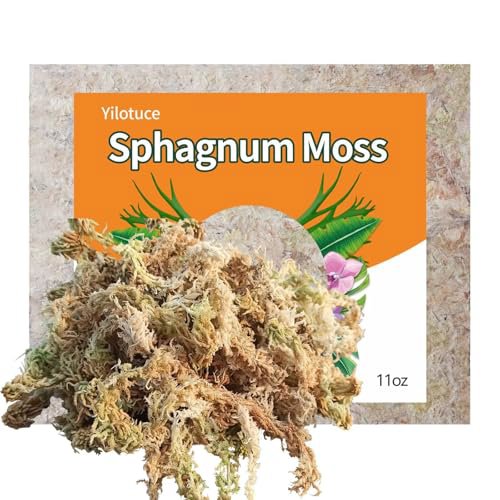
3 Amend the existing soil with organic matter or acidifying amendments like peat moss to lower the soil pH.

Other Rosa chinensis problems

Your plant might also be experiencing one of these issues:

local_hospital All symptoms eco All plants with yellow leaves
favorite