Rosa Polar Ovation Brown Leaf Tips
eco Brown Leaf Tips

Rosa Polar Ovation – Brown Leaf Tips

Why does your Rosa Polar Ovation have brown leaf tips? Diagnose the cause and fix it with our step-by-step guide.

search Possible Causes

error

Salt or Fertilizer Buildup

Accumulation of mineral salts from tap water or excessive synthetic fertilizers can cause osmotic stress, leading to necrotic brown tips. This is particularly common in container-grown miniature roses like 'Polar Ovation' where salt concentrations rise quickly.

Very Common
lightbulb
How to confirm: Check if you are using hard water or if there is a white, crusty residue on the soil surface or pot rim.
build How to fix it
shopping_cart Recommended Products
1 Flush the soil thoroughly with distilled or rainwater to leach out accumulated mineral salts and excess fertilizer from the root zone.
2 Prune away the necrotic brown tips using sterilized shears to prevent further stress to the plant.
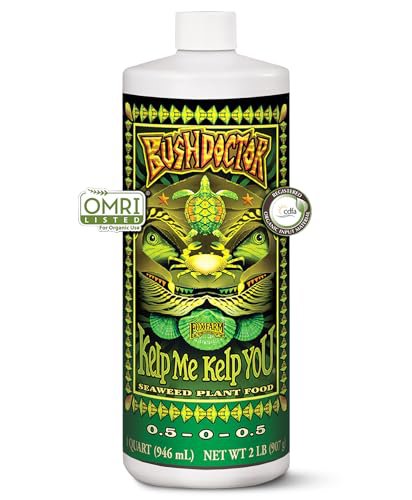
3 Transition to a more diluted fertilization schedule and consider using a balanced organic supplement to restore soil health.
error

Inconsistent Soil Moisture

Miniature roses have shallow root systems that are highly sensitive to drying out completely between waterings. Rapid fluctuations in moisture levels cause cells at the leaf margins to desiccate, resulting in brown tips.

Very Common
lightbulb
How to confirm: Stick your finger one inch into the soil; if it is bone dry while the leaves are browning, your watering schedule is too irregular.
build How to fix it
shopping_cart Recommended Products
1 Monitor soil moisture levels daily using an analog meter to ensure the soil remains consistently damp but not waterlogged.
2 Apply a consistent watering schedule, ensuring the shallow root system of your mini rose never dries out completely.
3 Mulch the top of the soil with organic matter to help retain moisture and prevent rapid evaporation.
warning

Low Humidity / Environmental Desiccation

Miniature roses thrive in higher humidity; very dry indoor air or hot winds can pull moisture from the leaf edges faster than the roots can replace it. This leads to tip burn, especially in climate-controlled indoor environments.

Common
lightbulb
How to confirm: Observe if the browning is accompanied by crispy texture and if the plant is located near a heater or air vent.
build How to fix it
shopping_cart Recommended Products
1 Increase local humidity around the plant by using a pebble tray or a fine misting spray bottle to prevent further moisture loss from leaf edges.
2 Monitor soil moisture levels closely to ensure the plant is not experiencing drought stress, which exacerbates tip burn.
3 Avoid placing the rose in the path of direct heat from vents or dry drafts from air conditioning units.
warning

Root Rot (Pythium or Phytophthora)

While often associated with yellowing, early-stage root damage from overwatering prevents water transport to the extremities of the leaves. The tips are the first part of the leaf to lose turgor and die.

Common
lightbulb
How to confirm: Gently lift the plant from its pot to see if the roots are dark, slimy, or emit a foul odor.
build How to fix it
shopping_cart Recommended Products
1 Immediately reduce watering frequency and ensure the plant is in a container with excellent drainage to stop further root decay.
2 Repot the rose in a fresh, well-aerated medium containing perlite to improve oxygen to the root zone and prevent further rot.
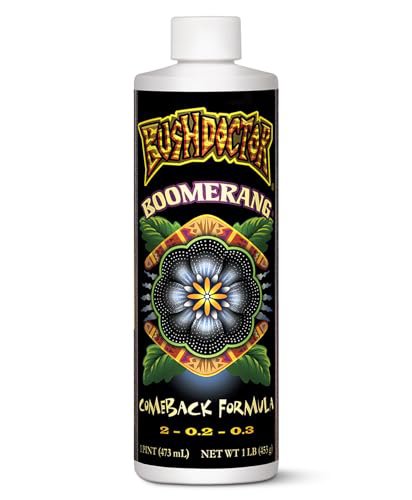
3 Apply a microbial-based liquid fertilizer to help restore the root zone and support the plant's recovery from environmental stress.

Other Rosa Polar Ovation problems

Your plant might also be experiencing one of these issues:

local_hospital All symptoms eco All plants with brown leaf tips
favorite