Rosa rugosa Yellow Leaves
eco Yellow Leaves

Rosa rugosa – Yellow Leaves

Why does your Rosa rugosa have yellow leaves? Diagnose the cause and fix it with our step-by-step guide.

search Possible Causes

error

Black Spot (Diplocarpon rosae)

This fungal pathogen is highly prevalent in Rosa rugosa, especially in humid conditions. It causes leaves to turn yellow and eventually drop prematurely as the fungus disrupts chlorophyll production.

Very Common
lightbulb
How to confirm: Look for distinctive circular black spots with fringed edges on the upper surface of the yellowing leaves.
build How to fix it
shopping_cart Recommended Products
1 Remove and discard all heavily infected yellow leaves and fallen debris from the base of the plant to prevent fungal spores from spreading.
2 Apply an organic fungicide spray to the foliage to control existing fungal growth and protect new leaves from infection.
3 Improve air circulation around the rose bush by pruning crowded branches and avoid overhead watering to keep leaves dry.
error

Nitrogen Deficiency

Rugosa roses are heavy feeders; a lack of nitrogen prevents the synthesis of chlorophyll, causing older leaves to lose their green pigment and turn uniformly pale yellow.

Very Common
lightbulb
How to confirm: Check if the yellowing is progressing from the bottom (older) leaves upward toward the new growth.
build How to fix it
shopping_cart Recommended Products
1 Apply a nitrogen-rich organic fertilizer to boost chlorophyll production and restore green pigment to the leaves.
2 Supplement the soil with organic worm castings to provide a slow-release source of nitrogen and beneficial microbes.
3 Monitor soil moisture levels regularly to ensure the nitrogen can be effectively absorbed by the root system.
warning

Overwatering / Poor Drainage

While Rosa rugosa is more drought-tolerant than other roses, waterlogged soil causes root hypoxia. This suffocates the roots, leading to chlorosis (yellowing) across the foliage.

Common
lightbulb
How to confirm: Stick your finger two inches into the soil to see if it remains saturated long after a rain or watering event.
build How to fix it
shopping_cart Recommended Products
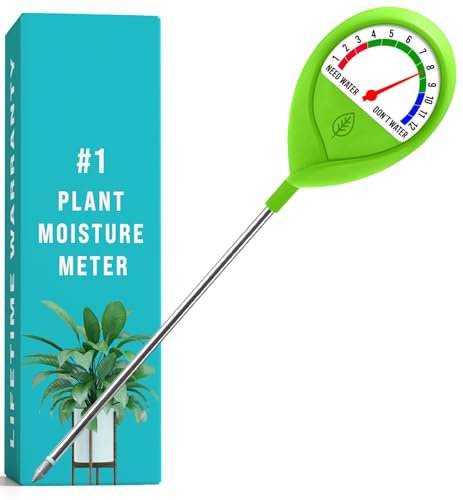
1 Immediately check the soil moisture level at the root zone to confirm if the soil is waterlogged.
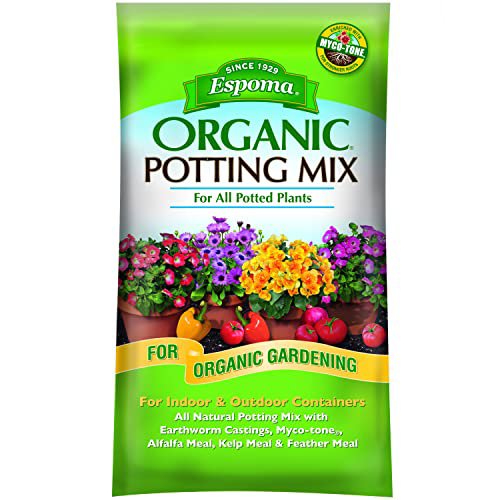
2 Repot the rose in a well-draining medium and ensure the container has adequate drainage holes to prevent water accumulation.
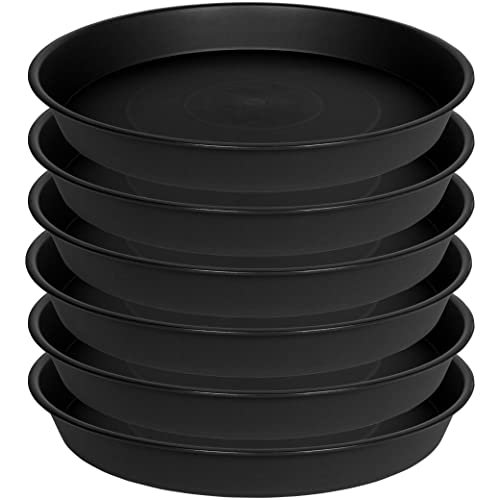
3 Place a drainage saucer underneath the pot to catch excess water, but ensure it is emptied regularly to avoid the plant sitting in standing water.
warning

Rose Sucking Insects (Aphids or Spider Mites)

Sucking pests extract sap from the leaf tissue, causing localized yellowing or mottling. Large infestations can lead to widespread chlorosis and stunted growth.

Common
lightbulb
How to confirm: Inspect the undersides of the leaves for tiny moving insects or fine webbing.
build How to fix it
shopping_cart Recommended Products
1 Inspect the undersides of leaves and new buds for small, soft-bodied insects or fine webbing to confirm the presence of aphids or spider mites.
2 Apply an organic insecticide spray to the entire plant, ensuring thorough coverage of the leaves and stems to eliminate pests.
3 Provide a balanced nutrient boost to help the rose recover from sap loss and promote new, healthy foliage growth.

Other Rosa rugosa problems

Your plant might also be experiencing one of these issues:

local_hospital All symptoms eco All plants with yellow leaves
favorite