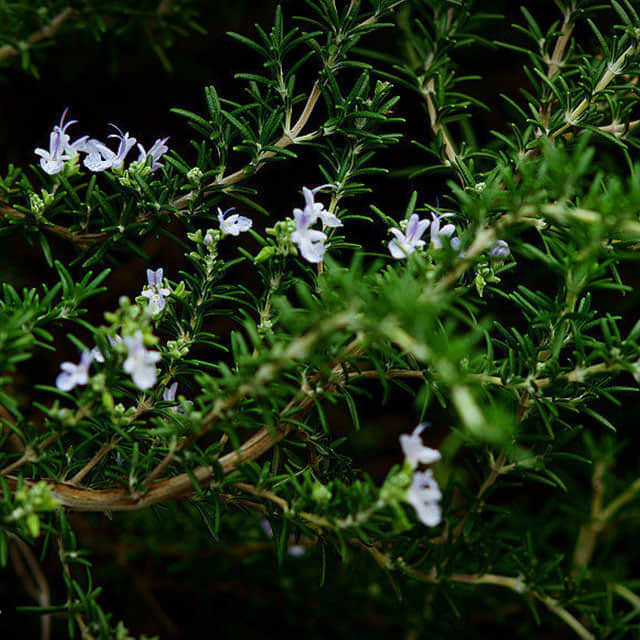
Rosmarinus officinalis Prostratus Drooping Leaves
eco Drooping Leaves

Rosmarinus officinalis Prostratus – Drooping Leaves

Why does your Rosmarinus officinalis Prostratus have drooping leaves? Diagnose the cause and fix it with our step-by-step guide.

search Possible Causes

error

Overwatering and Root Rot

Prostrate Rosemary is highly susceptible to fungal pathogens like Phytophthora when soil remains saturated. Excessive moisture deprives the roots of oxygen, leading to root decay that prevents water transport to the foliage.

Very Common
lightbulb
How to confirm: Stick your finger deep into the soil; if it feels muddy or stays wet for days, you are likely overwatering.
build How to fix it
shopping_cart Recommended Products
1 Immediately remove the plant from its current container and inspect the roots; trim away any mushy, black, or foul-smelling roots using sterilized shears.
2 Repot the rosemary in a well-draining, airy medium by mixing existing soil with horticultural perlite or coarse sand to improve aeration.
3 Ensure the new pot has excellent drainage and use a moisture meter to monitor the soil, allowing it to dry out significantly before the next watering.
error

Underwatering and Desiccation

As a Mediterranean species, while drought-tolerant, extreme dehydration causes the needle-like leaves to lose turgor pressure. This results in the characteristic limp, drooping habit of the prostrate stems.

Very Common
lightbulb
How to confirm: Check if the soil is pulling away from the edges of the pot and if the stems feel brittle to the touch.
build How to fix it
shopping_cart Recommended Products
1 Immediately check the soil moisture level using a probe to confirm the depth of dehydration.
2 Deeply water the plant until water flows freely from the drainage holes, ensuring the entire root ball is saturated.
3 Ensure the plant is in a pot with excellent drainage, such as a Root & Vessel cylinder pot, to prevent future water stagnation or root rot.
warning

Root Bound Conditions

If grown in a container for too long, the root mass can become so dense that there is no longer enough substrate to hold moisture. This leads to rapid fluctuations in hydration levels, causing frequent drooping.

Common
lightbulb
How to confirm: Gently lift the plant from its pot to see if roots are circling the inside of the container tightly.
build How to fix it
shopping_cart Recommended Products
1 Repot your rosemary into a larger container to provide more space for root expansion and a larger volume of substrate to retain moisture.
2 Use a fresh, well-draining potting mix and consider adding perlite to improve aeration and prevent future compaction.
3 Monitor the soil moisture levels closely during the transition to ensure the new, larger volume of soil is not staying too wet or drying out too quickly.
warning

Temperature Stress (Frost Damage)

Extreme cold or sudden frost can damage the cellular structure of the prostrate stems. This cellular collapse manifests as drooping and may eventually lead to browning of the needle-like leaves.

Common
lightbulb
How to confirm: Check if the drooping coincided with a recent drop in temperature below freezing levels.
build How to fix it
shopping_cart Recommended Products
1 Move the plant to a sheltered, warmer location immediately to prevent further cellular damage from freezing temperatures.
2 Apply a liquid seaweed fertilizer to help the plant recover from environmental stress and boost nutrient uptake.
3 Monitor soil moisture closely to ensure the plant is not overwatered while in a state of temperature-induced dormancy.

Other Rosmarinus officinalis Prostratus problems

Your plant might also be experiencing one of these issues:

local_hospital All symptoms eco All plants with drooping leaves
favorite