Rudbeckia laciniata Leggy Stems
eco Leggy Stems

Rudbeckia laciniata – Leggy Stems

Why does your Rudbeckia laciniata have leggy stems? Diagnose the cause and fix it with our step-by-step guide.

pets Pet Friendly

search Possible Causes

error

Insufficient Light (Phototropism)

Rudbeckia laciniata requires full sun to maintain sturdy, upright stems; inadequate light causes the plant to stretch excessively toward light sources, resulting in weak, elongated growth.

Very Common
lightbulb
How to confirm: Observe if the stems are leaning significantly toward a window or a specific direction of sunlight.
build How to fix it
shopping_cart Recommended Products
1 Move your Rudbeckia to a location that receives at least 6 to 8 hours of direct sunlight daily to prevent further stretching.
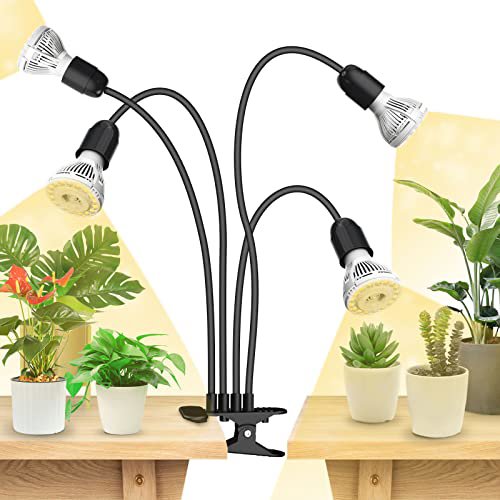
2 Supplement with a full-spectrum grow light to provide the necessary intensity for sturdy stem development.
3 Prune the elongated, weak stems using sharp shears to encourage bushier, more compact growth from the base.
error

Excessive Nitrogen Fertilization

High levels of nitrogen promote rapid, lush vegetative growth at the expense of structural integrity, often leading to soft, spindly stems that cannot support the plant's weight.

Very Common
lightbulb
How to confirm: Check your recent fertilizer usage for high N-P-K ratios and look for very dark green foliage accompanied by weak stems.
build How to fix it
shopping_cart Recommended Products
1 Immediately cease all nitrogen-rich fertilization to prevent further soft, spindly growth.
2 Flush the soil with plenty of fresh water to leach out excess nitrogen salts from the root zone.
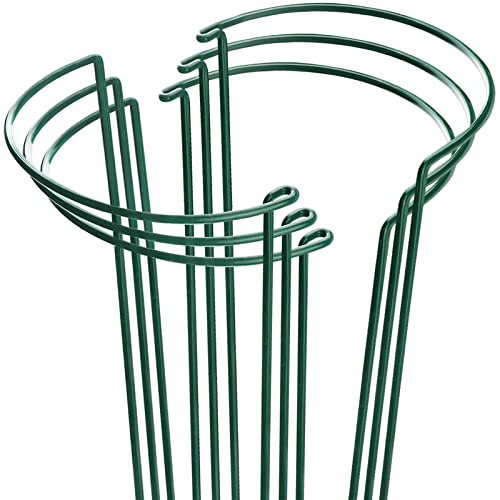
3 Provide physical support to the weak stems using stakes to prevent the plant from collapsing under its own weight.
warning

Overwatering and Poor Drainage

Constant moisture in the root zone can lead to oxygen deprivation, causing the plant to produce weak, succulent growth that lacks the lignification needed for upright support.

Common
lightbulb
How to confirm: Insert your finger 2 inches into the soil to see if it remains saturated even when the top layer feels dry.
build How to fix it
shopping_cart Recommended Products
1 Immediately reduce watering frequency and allow the top inch of soil to dry out completely before watering again to prevent further oxygen deprivation.
2 Repot the plant into a container with superior drainage, such as a Root & Vessel cylinder pot, and use a well-draining medium amended with perlite to improve aeration.
3 Ensure the plant is placed in a location with adequate sunlight to encourage stronger, more lignified stem growth.
warning

High Planting Density

If too many Rudbeckia plants are crowded together, they will compete for light and airflow, triggering a biological response to grow taller and faster to reach above neighbors.

Common
lightbulb
How to confirm: Evaluate the spacing between individual plants to ensure there is adequate room for air circulation and light penetration.
build How to fix it
shopping_cart Recommended Products
1 Thin out the planting area by removing excess plants to reduce competition for light and improve airflow between stems.
2 Provide supplemental lighting if the area is shaded, or move the plants to a location with more direct sunlight to prevent further stretching.
3 Apply a balanced fertilizer to strengthen stem structure and support healthy vegetative growth.

Other Rudbeckia laciniata problems

Your plant might also be experiencing one of these issues:

local_hospital All symptoms eco All plants with leggy stems
favorite