Salix alba Drooping Leaves
eco Drooping Leaves

Salix alba – Drooping Leaves

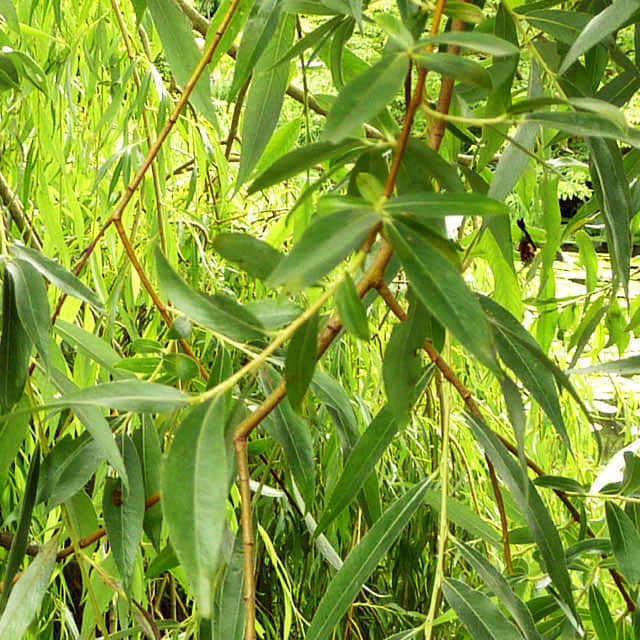
Why does your Salix alba have drooping leaves? Diagnose the cause and fix it with our step-by-step guide.

pets Pet Friendly

search Possible Causes

error

Water Stress (Drought)

Salix alba is a riparian species with high transpiration rates; insufficient soil moisture leads to loss of turgor pressure in the leaves. When the roots cannot meet the evaporative demand, the willow will rapidly wilt and droop.

Very Common
lightbulb
How to confirm: Check the moisture level 2-3 inches below the soil surface; if bone dry, the plant needs immediate deep watering.
build How to fix it
shopping_cart Recommended Products
1 Immediately check the soil moisture level at the root zone to confirm the extent of the drought.
2 Apply a deep, thorough watering to the base of the plant to restore turgor pressure and saturate the root zone.
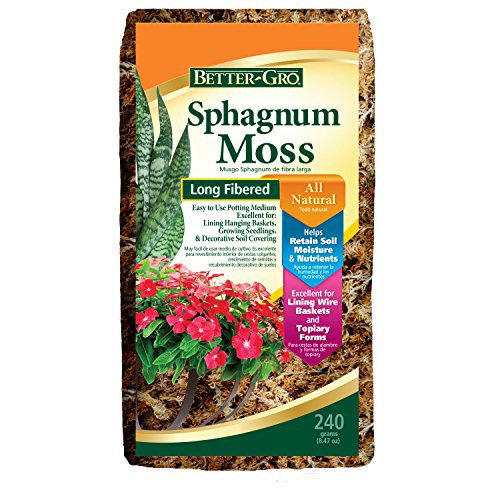
3 Apply a layer of organic mulch around the base to help retain soil moisture and reduce evaporation.
warning

Root Rot (Phytophthora)

While willows love water, prolonged saturation of heavy clay soils can lead to anaerobic conditions and fungal pathogens like Phytophthora. This destroys the root system's ability to transport water, resulting in symptoms that mimic drought.

Common
lightbulb
How to confirm: Examine the base of the stem and roots for dark, slimy, or discolored tissue.
build How to fix it
shopping_cart Recommended Products
1 Immediately improve soil drainage by mixing in coarse horticultural perlite or expanded clay pebbles to prevent further anaerobic conditions.
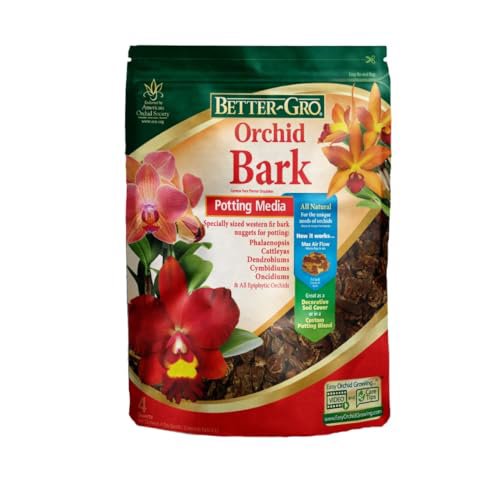
2 Repot the plant into a more porous medium, such as a mix containing organic orchid bark or peat, to ensure oxygen reaches the root zone.
3 Prune away any mushy, blackened, or foul-smelling roots using sterilized shears to stop the spread of the Phytophthora pathogen.
warning

Extreme Heat/Heat Stress

During intense summer heat waves, Salix alba may close its stomata to conserve water, causing the leaves to lose rigidity and droop. This is often a temporary physiological response to prevent desiccation.

Common
lightbulb
How to confirm: Observe if the drooping recovers during the cooler evening or early morning hours.
build How to fix it
shopping_cart Recommended Products
1 Increase soil moisture levels immediately to help the plant recover from dehydration, ensuring the soil remains consistently damp.
2 Apply a layer of organic mulch around the base of the tree to insulate the root zone and reduce soil temperature evaporation.
3 Provide temporary shade during the peak afternoon sun hours to reduce the thermal load on the foliage.
warning

Nutrient Deficiency (Nitrogen)

A lack of available nitrogen can weaken the structural integrity of the foliage and reduce chlorophyll production. This often manifests as a general loss of vigor and a drooping, pale appearance in new growth.

Common
lightbulb
How to confirm: Look for yellowing (chlorosis) of older leaves alongside the drooping symptom.
build How to fix it
shopping_cart Recommended Products
1 Apply a nitrogen-rich liquid fertilizer to boost chlorophyll production and restore leaf vigor.
2 Check the soil moisture levels using a moisture meter to ensure the drooping isn't actually caused by underwatering.
3 Supplement the soil with organic worm castings to provide a slow-release source of nitrogen and beneficial microbes.

Other Salix alba problems

Your plant might also be experiencing one of these issues:

local_hospital All symptoms eco All plants with drooping leaves
favorite