Salix discolor Drooping Leaves
eco Drooping Leaves

Salix discolor – Drooping Leaves

Why does your Salix discolor have drooping leaves? Diagnose the cause and fix it with our step-by-step guide.

pets Pet Friendly

search Possible Causes

error

Water Stress (Drought)

While Salix discolor is a riparian species that thrives in wet soils, prolonged periods of dry soil cause the willow to lose turgor pressure in its leaves. This leads to rapid wilting and drooping as the plant attempts to reduce surface area for transpiration.

Very Common
lightbulb
How to confirm: Check the moisture level 2 inches below the soil surface; if it is bone dry, the plant requires deep watering.
build How to fix it
shopping_cart Recommended Products
1 Immediately provide a deep, thorough watering to the root zone to restore turgor pressure and rehydrate the plant tissues.
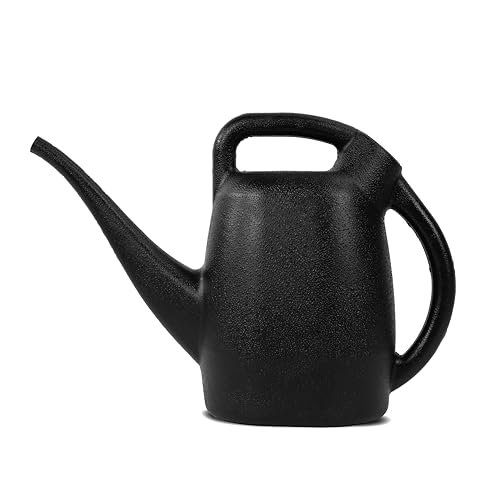
2 Monitor the soil moisture levels closely using a moisture meter to ensure the soil remains consistently damp, as this species thrives in wet environments.
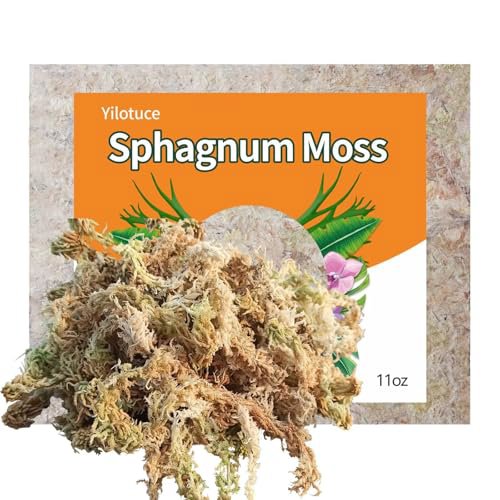
3 Apply a layer of organic mulch around the base of the willow to help retain soil moisture and prevent future drought stress.
error

Root Rot (Phytophthora)

If the soil remains saturated for extended periods without drainage, fungal pathogens like Phytophthora can attack the roots of the Pussy Willow. This destroys the vascular system's ability to transport water upward, resulting in leaves that appear wilted despite wet soil.

Very Common
lightbulb
How to confirm: Inspect the base of the stem and the roots for any dark, slimy, or foul-smelling tissue.
build How to fix it
shopping_cart Recommended Products
1 Immediately remove the plant from saturated soil and inspect the roots for mushy, dark, or foul-smelling decay.
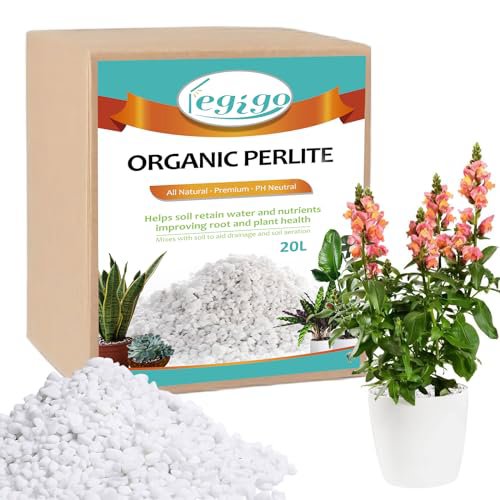
2 Repot the willow in a well-draining medium, incorporating perlite to improve aeration and prevent future waterlogging.
3 Monitor soil moisture levels closely using a moisture meter to ensure the soil is allowed to dry out between waterings.
warning

Powdery Mildew

High humidity combined with poor airflow can trigger powdery mildew on Salix leaves. While primarily identified by white spots, a heavy infection can cause leaf distortion and eventual drooping of the foliage.

Common
lightbulb
How to confirm: Look for a fine, white, flour-like coating on the upper surfaces of the willow leaves.
build How to fix it
shopping_cart Recommended Products
1 Apply an organic fungicide to the affected foliage to eliminate the powdery mildew spores and prevent further spread.
2 Improve air circulation around the plant by pruning crowded branches and ensuring the plant is not in a high-humidity pocket.
3 Prune and dispose of heavily infected leaves to reduce the fungal load on the willow.
warning

Nutrient Deficiency (Nitrogen)

A lack of available nitrogen prevents the plant from maintaining structural integrity and chlorophyll production. In Salix discolor, this often manifests as a general loss of vigor and drooping of the newer growth.

Common
lightbulb
How to confirm: Observe if the drooping leaves are also exhibiting a pale green or yellowish discoloration (chlorosis).
build How to fix it
shopping_cart Recommended Products
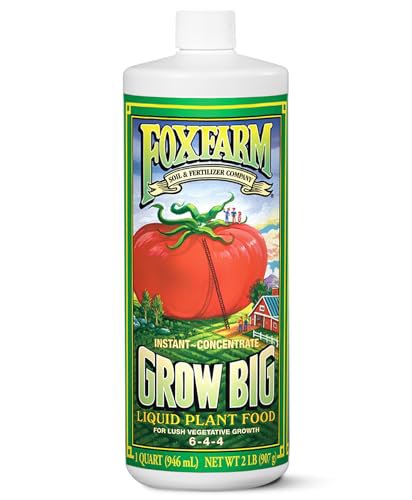
1 Apply a nitrogen-rich liquid fertilizer to boost chlorophyll production and restore structural vigor to the new growth.
2 Monitor soil moisture levels using a moisture meter to ensure the nitrogen-rich fertilizer is being absorbed effectively without causing root rot.
3 Supplement the soil with organic worm castings to provide a slow-release source of nitrogen and beneficial microbes.

Other Salix discolor problems

Your plant might also be experiencing one of these issues:

local_hospital All symptoms eco All plants with drooping leaves
favorite