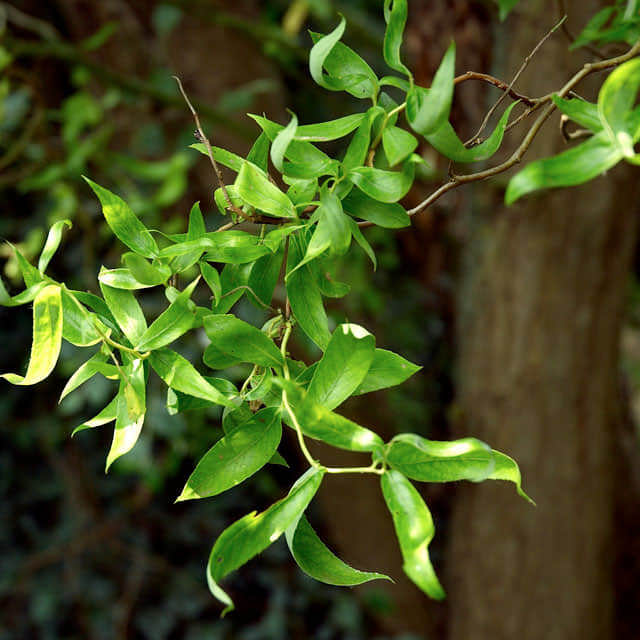
Salix matsudana Tortuosa Drooping Leaves
eco Drooping Leaves

Salix matsudana Tortuosa – Drooping Leaves

Why does your Salix matsudana Tortuosa have drooping leaves? Diagnose the cause and fix it with our step-by-step guide.

search Possible Causes

error

Water Stress (Underwatering)

As a willow species, Salix matsudana 'Tortuosa' has high transpiration rates and requires consistent moisture. Drooping occurs when the tree cannot replace water lost through leaf pores due to dry soil.

Very Common
lightbulb
How to confirm: Check the moisture level of the soil 2-3 inches below the surface; if it is bone dry, the plant needs immediate irrigation.
build How to fix it
shopping_cart Recommended Products
1 Immediately check the soil moisture level at the root zone to confirm the extent of the dehydration.
2 Apply a deep, thorough watering to the base of the tree, ensuring the water reaches the entire root ball to rehydrate the soil.
3 Apply a layer of organic mulch around the base of the tree to help retain soil moisture and prevent future evaporation.
error

Root Rot (Overwatering/Poor Drainage)

Excessive water in heavy or compacted soil leads to anaerobic conditions that damage the fine feeder roots. This prevents the tree from transporting water upwards, resulting in symptomatic wilting despite wet soil.

Very Common
lightbulb
How to confirm: Inspect the base of the trunk and the soil texture; if the soil is soggy and smells sour, root rot is likely.
build How to fix it
shopping_cart Recommended Products
1 Immediately reduce watering frequency and ensure the plant is in a container with superior drainage to allow oxygen to reach the roots.
2 Repot the tree into a well-draining medium, incorporating perlite or horticultural grit to improve aeration and prevent future compaction.
3 Monitor soil moisture levels closely using an analog meter to ensure the soil is not staying saturated for extended periods.
warning

Extreme Heat or Sunscald

While generally sun-loving, extreme temperature spikes can cause the leaves to wilt temporarily as a defense mechanism to reduce surface area. This often happens during mid-day heat if the root system is shallow.

Common
lightbulb
How to confirm: Observe if the drooping recovers in the cooler evening or early morning hours.
build How to fix it
shopping_cart Recommended Products
1 Provide temporary shade during peak afternoon hours using a shade cloth or by moving the container to a more sheltered location to prevent further sunscald.
2 Check the soil moisture levels deeply to ensure the root system isn't dehydrated; use a moisture meter to prevent the cycle of overwatering and underwatering.
3 Apply a layer of organic mulch around the base of the plant to help regulate soil temperature and retain moisture during heat spikes.
warning

Vascular Wilt Disease

Fungal pathogens like Verticillium wilt can colonize the xylem of the willow, physically blocking water movement. This causes a sudden drooping that often starts on one side of a branch or the whole tree.

Common
lightbulb
How to confirm: Cut a small twig to see if there is any dark discoloration within the internal vascular tissue.
build How to fix it
shopping_cart Recommended Products
1 Prune away heavily wilted or dead branches using sterilized tools to prevent the spread of fungal pathogens to healthy tissue.
2 Reduce plant stress by ensuring the soil remains consistently moist but well-drained, avoiding waterlogged conditions that promote fungal growth.
3 Apply a fungicide treatment to the affected area to help manage the spread of the fungal pathogen.
local_hospital All symptoms eco All plants with drooping leaves
favorite