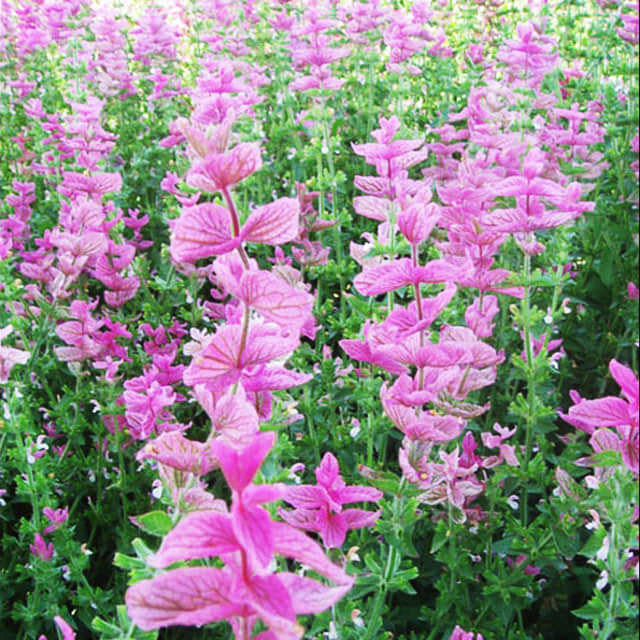
Salvia farinacea Leggy Stems
eco Leggy Stems

Salvia farinacea – Leggy Stems

Why does your Salvia farinacea have leggy stems? Diagnose the cause and fix it with our step-by-step guide.

search Possible Causes

error

Insufficient Light Exposure

Salvia farinacea is a sun-loving perennial that requires at least 6 to 8 hours of direct sunlight; lack of light causes etiolation, where stems stretch rapidly to find a light source.

Very Common
lightbulb
How to confirm: Observe if the internodes (the space between leaves) are unusually long and if the plant appears pale or weak.
build How to fix it
shopping_cart Recommended Products
1 Move your Salvia farinacea to a location that receives at least 6 to 8 hours of direct sunlight daily to stop stems from stretching.
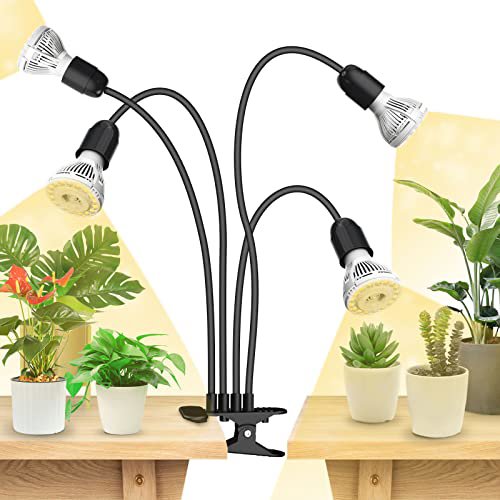
2 Supplement with a full-spectrum grow light to provide the necessary intensity and duration of light needed for healthy, compact growth.
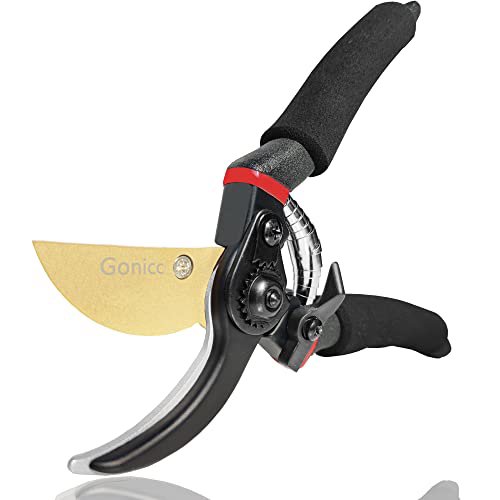
3 Prune away the weakest, most elongated stems using sharp shears to encourage the plant to redirect energy into new, sturdier growth.
warning

Excessive Nitrogen Fertilization

An overabundance of nitrogen-rich fertilizer promotes rapid, succulent vegetative growth, which lacks the structural lignin needed to support heavy stems in Mealycup Sage.

Common
lightbulb
How to confirm: Check if you have recently applied a high-nitrogen liquid or granular fertilizer and look for dark green, soft foliage.
build How to fix it
shopping_cart Recommended Products
1 Stop all nitrogen-heavy fertilization immediately to allow the plant to focus on structural development rather than rapid foliage growth.
2 Flush the soil with plenty of fresh water to leach out excess nitrogen salts from the root zone.
3 Prune back the elongated, weak stems to encourage bushier, more compact growth and improve airflow.
warning

Improper Watering Regimen

Inconsistent moisture levels, particularly keeping the soil too wet, can lead to rapid, weak cell expansion in the stems, contributing to a spindly appearance.

Common
lightbulb
How to confirm: Check if the soil remains damp for extended periods and if the base of the plant feels soft or structurally unstable.
build How to fix it
shopping_cart Recommended Products
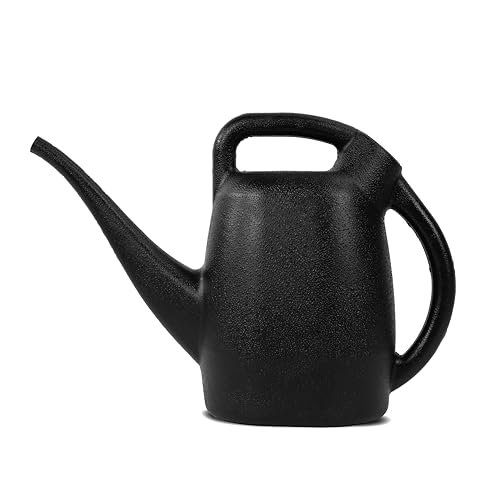
1 Monitor soil moisture levels closely using an analog meter to ensure you only water when the top inch of soil is dry, preventing the overwatering that causes weak stem expansion.
2 Prune the leggy, spindly stems using sharp, clean shears to encourage bushier, more robust growth from the base.
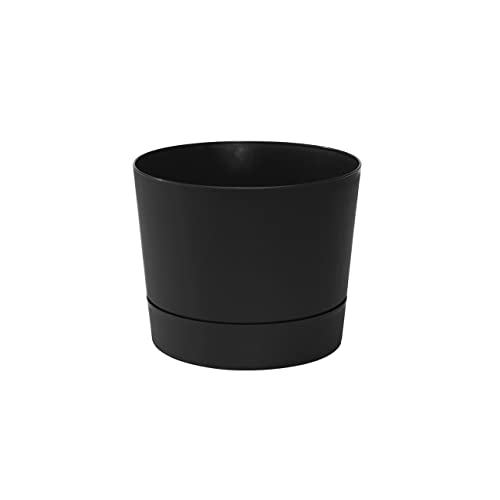
3 Ensure the plant is in a container with excellent drainage, such as a Root & Vessel cylinder pot, to prevent water from pooling around the roots.
warning

Lack of Pruning/Deadheading

Without regular pinching or deadheading, Salvia farinacea can become overly woody and leggy as it exhausts its energy on older stem development rather than new lateral growth.

Common
lightbulb
How to confirm: Examine the plant for a lack of new, bushy growth at the tips of the existing stems.
build How to fix it
shopping_cart Recommended Products
1 Prune back the leggy, woody stems by cutting them down to about one-third of their original height to stimulate new, bushy growth.
2 Regularly deadhead spent flower spikes to redirect the plant's energy from seed production back into lateral stem development.
3 Apply a balanced liquid fertilizer to support the development of new foliage and healthy stems.
local_hospital All symptoms eco All plants with leggy stems
favorite