Salvia greggii Leggy Stems
eco Leggy Stems

Salvia greggii – Leggy Stems

Why does your Salvia greggii have leggy stems? Diagnose the cause and fix it with our step-by-step guide.

pets Pet Friendly

search Possible Causes

error

Insufficient Light Exposure

Salvia greggii is a sun-loving Mediterranean species that requires at least 6 to 8 hours of direct sunlight. In shaded conditions, the plant undergoes etiolation, stretching its internodes excessively to reach for light.

Very Common
lightbulb
How to confirm: Observe if the stems are leaning toward a window or light source and check if the leaf density has decreased.
build How to fix it
shopping_cart Recommended Products
1 Relocate your Salvia greggii to a location that receives at least 6 to 8 hours of direct sunlight daily to stop the stretching of stems.
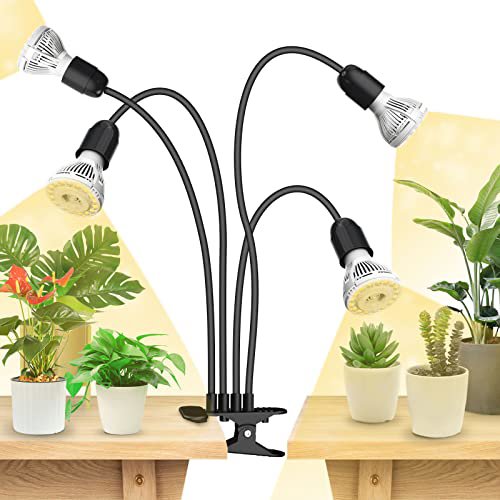
2 If natural sunlight is insufficient, supplement with a full-spectrum grow light to provide the necessary intensity for healthy growth.
3 Prune the excessively long, weak stems back to a denser part of the plant to encourage bushier, more compact growth.
error

Lack of Pruning/Deadheading

Without regular pinching or pruning, Salvia greggii can develop long, unsupported woody stems that lose their bushy structure. This is especially common if old flower spikes are left to develop seed heads.

Very Common
lightbulb
How to confirm: Check if the plant has many long, unbranched stems and evaluate when the last pruning session occurred.
build How to fix it
shopping_cart Recommended Products
1 Use sharp pruning shears to trim back the long, leggy stems by about one-third, cutting just above a leaf node to encourage new, bushy growth.
2 Regularly deadhead spent flower spikes to prevent the plant from focusing energy on seed production and to promote continuous blooming.
3 Ensure the plant receives plenty of sunlight, as insufficient light can further exacerbate leggy growth in Salvia.
warning

Excessive Nitrogen Fertilization

High levels of nitrogen in the soil promote rapid, succulent vegetative growth at the expense of structural strength. This results in soft, elongated stems that are more prone to flopping.

Common
lightbulb
How to confirm: Review your recent fertilizer use and check if the new growth appears exceptionally dark green and weak.
build How to fix it
shopping_cart Recommended Products
1 Flush the soil with plenty of fresh water to leach out excess nitrogen salts from the root zone.
2 Prune back the elongated, soft stems to encourage bushier, more structural growth.
3 Switch to a balanced or low-nitrogen fertilizer and monitor soil moisture with a meter to prevent further soft growth.
warning

Overwatering/Poor Drainage

While Salvia greggii is somewhat drought-tolerant, constant moisture in heavy soil can cause soft, rapid cell expansion. This leads to 'leggy' growth that lacks the structural integrity of plants grown in well-draining substrate.

Common
lightbulb
How to confirm: Feel the soil depth several inches down to see if it remains saturated long after a watering event.
build How to fix it
shopping_cart Recommended Products
1 Improve soil drainage by mixing in horticultural perlite to increase aeration and prevent water retention around the roots.
2 Monitor soil moisture levels closely using a moisture meter to ensure the substrate is allowed to dry out between waterings.
3 Prune back the elongated, soft stems to encourage bushier, more structurally sound growth.
local_hospital All symptoms eco All plants with leggy stems
favorite