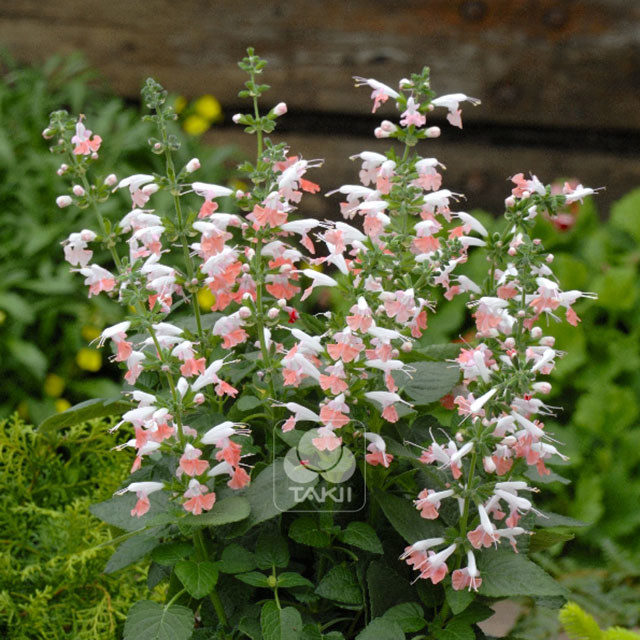
Salvia Hummingbird Coral Nymph Leggy Stems
eco Leggy Stems

Salvia Hummingbird Coral Nymph – Leggy Stems

Why does your Salvia Hummingbird Coral Nymph have leggy stems? Diagnose the cause and fix it with our step-by-step guide.

pets Pet Friendly

search Possible Causes

error

Insufficient Light Intensity

As a sun-loving cultivar, 'Coral Nymph' requires full sun to maintain compact growth. When light is low, the plant undergoes etiolation, rapidly stretching its stems toward the nearest light source to maximize photosynthesis.

Very Common
lightbulb
How to confirm: Observe if the internodes (distance between leaves) are significantly longer than they were earlier in the season.
build How to fix it
shopping_cart Recommended Products
1 Move your Salvia to a location that receives at least 6 to 8 hours of direct sunlight daily to prevent further stretching.
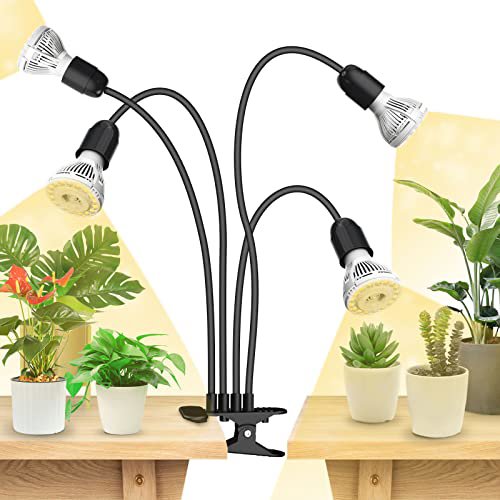
2 Supplement with a full-spectrum grow light to provide the necessary intensity for compact, bushy growth.
3 Prune the elongated, leggy stems back to a healthier height to encourage new, denser growth from the base.
error

Excessive Nitrogen Fertilization

High nitrogen levels encourage rapid vegetative growth at the expense of structural integrity. This results in soft, succulent, and elongated stems that lack the density typical of this Salvia variety.

Very Common
lightbulb
How to confirm: Check if you have recently used a fertilizer where the first number (N) is significantly higher than the others.
build How to fix it
shopping_cart Recommended Products
1 Stop all nitrogen-rich fertilization immediately to prevent further rapid, weak growth.
2 Flush the soil with plenty of fresh water to leach out excess nitrogen salts from the root zone.
3 Prune back the elongated, leggy stems to encourage denser, bushier growth and improve structural integrity.
warning

Lack of Pruning

Salvia species can become woody and sparse if not regularly pinched back or pruned after flowering. Without regular deadheading and stem cutting, the plant's energy shifts toward older, elongated growth rather than new, bushy shoots.

Common
lightbulb
How to confirm: Check if the plant has gone several months without a hard prune or removal of spent flower spikes.
build How to fix it
shopping_cart Recommended Products
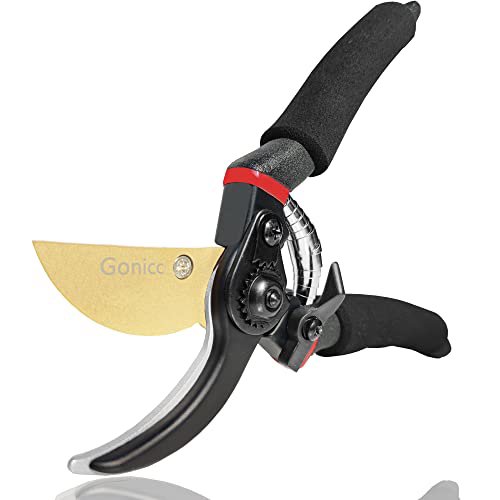
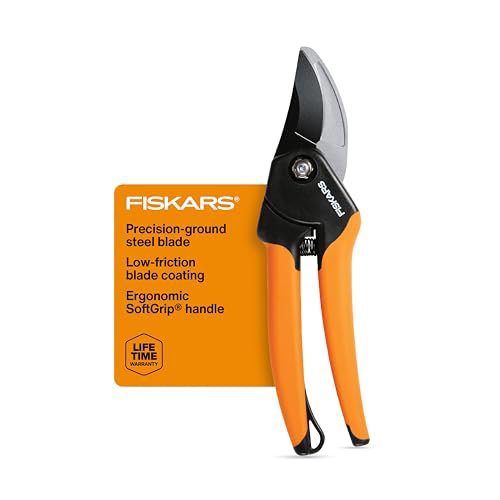
1 Use sharp pruning shears to trim back the elongated, leggy stems by about one-third to one-half, which will encourage new, bushy growth from the base.
2 Regularly deadhead spent flowers to prevent the plant from shifting energy into seed production and instead focus on foliage density.
3 Apply a balanced liquid fertilizer to provide the necessary nutrients for the development of new, vigorous shoots.
warning

Overwatering/High Humidity

Excessive moisture in the root zone can lead to soft, weak stem development. In humid conditions, the lack of transpiration pull can cause cells to expand more loosely, contributing to a 'floppy' appearance.

Common
lightbulb
How to confirm: Feel the soil depth; if it remains saturated for many days after watering, the roots may be struggling.
build How to fix it
shopping_cart Recommended Products
1 Reduce watering frequency and allow the top inch of soil to dry out completely before watering again to prevent root rot.
2 Improve air circulation around the plant by using a small fan or spacing plants further apart to reduce humidity levels around the foliage.
3 Prune the leggy, weak stems to encourage bushier, more compact growth from the base.
local_hospital All symptoms eco All plants with leggy stems
favorite