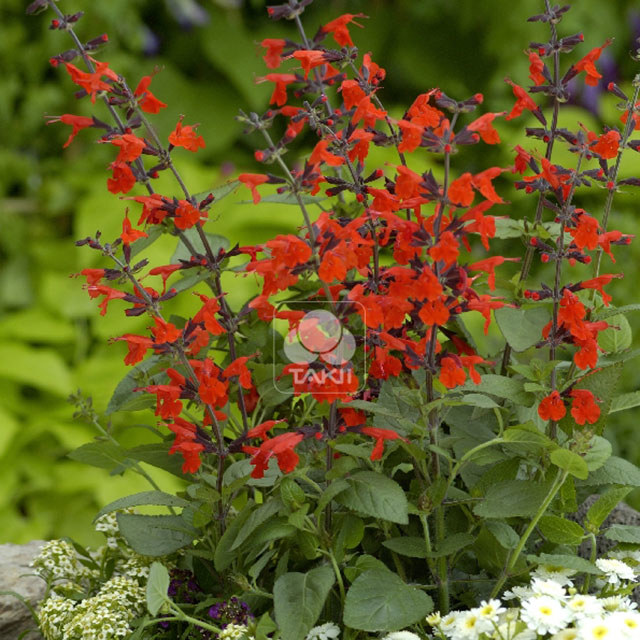
Salvia microphylla Forest Fire Leggy Stems
eco Leggy Stems

Salvia microphylla Forest Fire – Leggy Stems

Why does your Salvia microphylla Forest Fire have leggy stems? Diagnose the cause and fix it with our step-by-step guide.

search Possible Causes

error

Insufficient Light Exposure

As a sun-loving Mediterranean species, Salvia microphylla requires full sun to maintain dense, compact growth. Lack of direct light causes etiolation, where stems stretch excessively toward light sources, resulting in long gaps between leaf nodes.

Very Common
lightbulb
How to confirm: Observe if the plant is leaning toward a window or if new growth appears pale and weak compared to older foliage.
build How to fix it
shopping_cart Recommended Products
1 Relocate your Salvia to a location that receives at least 6 to 8 hours of direct sunlight daily to prevent further stretching.
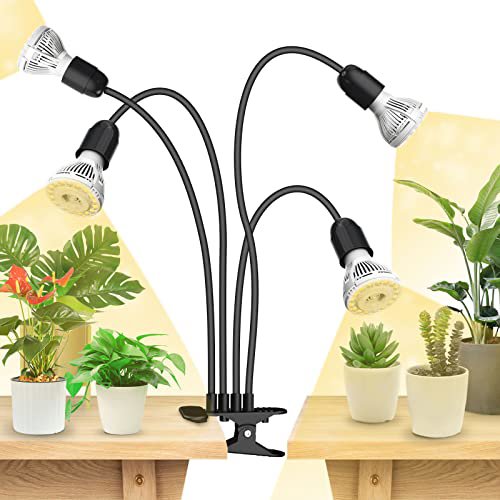
2 Supplement with a full-spectrum grow light to provide the necessary intensity for compact growth if natural sunlight is unavailable.
3 Prune back the excessively long, leggy stems to encourage new, bushier growth from the base of the plant.
warning

Excessive Nitrogen Fertilization

High levels of nitrogen-rich fertilizer promote rapid vegetative growth at the expense of structural integrity. In 'Forest Fire' sage, this often manifests as soft, elongated stems that lack the characteristic woody strength and dense foliage.

Common
lightbulb
How to confirm: Review your recent fertilization schedule to see if you have used a high-nitrogen organic or synthetic liquid feed.
build How to fix it
shopping_cart Recommended Products
1 Flush the soil with plenty of fresh water to leach out excess nitrogen salts from the root zone.
2 Prune back the elongated, soft stems to encourage denser, woodier growth and improve structural integrity.
3 Switch to a balanced or lower-nitrogen fertilizer and monitor soil moisture closely to prevent further soft growth.
warning

Overwatering and Poor Drainage

While Salvia microphylla prefers consistent moisture, soggy soil can lead to weakened root systems. This prevents the plant from anchoring itself properly and supporting dense growth, leading to limp, leggy stems as the structural strength of the plant fails.

Common
lightbulb
How to confirm: Stick your finger two inches into the soil to see if it remains saturated long after a watering session.
build How to fix it
shopping_cart Recommended Products
1 Check the soil moisture levels immediately using a moisture meter to ensure the root zone is not staying saturated for too long.
2 Repot the plant into a container with superior drainage, such as a Root & Vessel cylinder pot, and use a well-draining potting mix amended with perlite to prevent future waterlogging.
3 Ensure the plant is placed in a location with adequate sunlight to strengthen the stems and prevent further stretching.
warning

Lack of Pruning

Salvia microphylla is a deciduous-leaning shrub that benefits from regular pinching or pruning to encourage branching. Without periodic trimming of the terminal buds, the plant will naturally continue upward growth, creating a sparse, leggy appearance.

Common
lightbulb
How to confirm: Check if you have allowed the stems to grow uninterrupted for more than an entire growing season without any deadheading.
build How to fix it
shopping_cart Recommended Products
1 Prune the leggy stems by cutting back the terminal buds to encourage new lateral growth and a bushier structure.
2 Use sharp, clean pruning shears to make precise cuts, ensuring you do not damage the remaining healthy tissue.
3 After pruning, ensure the plant receives adequate sunlight and consider applying a balanced fertilizer to support new vegetative growth.
local_hospital All symptoms eco All plants with leggy stems
favorite