Salvia Snow Nymph Leggy Stems
eco Leggy Stems

Salvia Snow Nymph – Leggy Stems

Why does your Salvia Snow Nymph have leggy stems? Diagnose the cause and fix it with our step-by-step guide.

pets Pet Friendly

search Possible Causes

error

Insufficient Light Intensity

As a sun-loving cultivar, Salvia 'Snow Nymph' will stretch its internodes to search for more photons if light levels are too low. This results in weak, elongated stems that lack the characteristic structural density of the species.

Very Common
lightbulb
How to confirm: Observe if the plant is leaning toward a window or if the distance between leaf nodes has increased significantly compared to previous growth periods.
build How to fix it
shopping_cart Recommended Products
1 Move your Salvia to a location with much higher light intensity, ideally receiving at least 6 to 8 hours of direct sunlight daily.
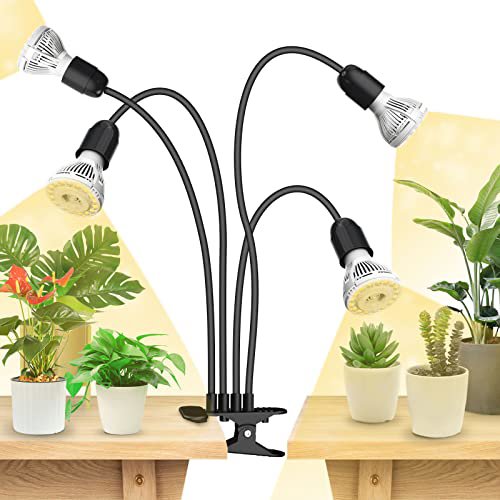
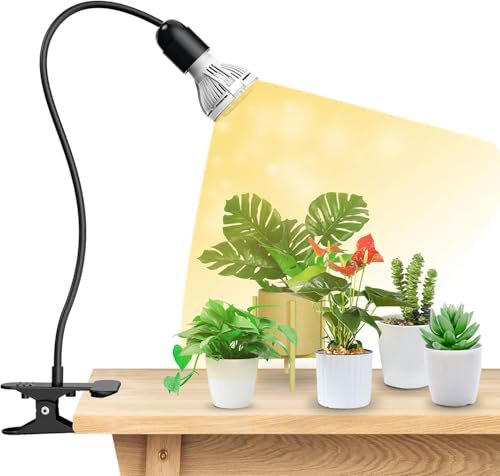
2 Supplement with a full-spectrum grow light to provide the necessary photon density for structural stem development.
3 Prune back the elongated, weak stems to encourage bushier, denser growth from the base.
warning

Excessive Nitrogen Fertilization

High levels of nitrogen promote rapid vegetative elongation at the expense of structural integrity and stem strength. In Salvias, this often manifests as lush but floppy, 'leggy' growth that is susceptible to lodging.

Common
lightbulb
How to confirm: Review your recent fertilizer use to see if a high-nitrogen (high first number NPK) formula was applied recently.
build How to fix it
shopping_cart Recommended Products
1 Stop all nitrogen-rich fertilization immediately to prevent further rapid, weak growth.
2 Prune back the elongated, floppy stems to a shorter, sturdier length to encourage denser, more compact growth.
3 Flush the soil with plain, room-temperature water to help leach excess nitrogen salts away from the root zone.
warning

Overwatering and Poor Aeration

Constant moisture in the substrate can lead to shallow, weak root systems that cannot support a heavy canopy. This physiological stress causes the plant to produce spindly growth as it struggles with nutrient transport.

Common
lightbulb
How to confirm: Stick your finger two inches into the soil; if it feels muddy or stays damp for several days after watering, the roots may be struggling.
build How to fix it
shopping_cart Recommended Products
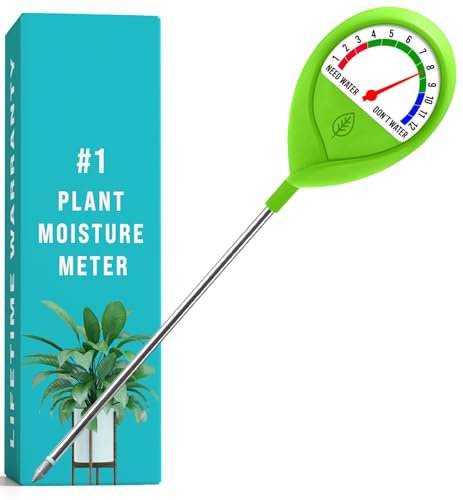
1 Check the soil moisture levels immediately using a moisture meter to ensure the substrate is not staying saturated.
2 Repot the Salvia in a well-draining medium amended with perlite to improve aeration and prevent root suffocation.
3 Ensure the plant is in a container with adequate drainage and avoid letting it sit in standing water.
warning

Temperature Fluctuations (Heat Stress)

Extreme heat combined with high humidity can cause rapid, soft growth in Salvia species. When the plant cannot transpire effectively due to heat, it may produce elongated, weak stems as it attempts to increase surface area.

Common
lightbulb
How to confirm: Check if the leggy growth coincided with a recent period of unusually high summer temperatures or lack of night-time cooling.
build How to fix it
shopping_cart Recommended Products
1 Move the plant to a cooler, shaded location to stabilize temperatures and reduce heat-induced transpiration stress.
2 Provide supplemental light to strengthen the stems and prevent further elongation, especially if the plant is in a low-light area.
3 Prune the soft, leggy growth using sharp, clean shears to encourage bushier, more robust stem development.
local_hospital All symptoms eco All plants with leggy stems
favorite