Salvia splendens Leggy Stems
eco Leggy Stems

Salvia splendens – Leggy Stems

Why does your Salvia splendens have leggy stems? Diagnose the cause and fix it with our step-by-step guide.

pets Pet Friendly

search Possible Causes

error

Insufficient Light Exposure

Salvia splendens is a sun-loving species that requires at least 6 hours of direct sunlight. When light levels are low, the plant undergoes etiolation, stretching its internodes excessively to reach for a light source.

Very Common
lightbulb
How to confirm: Observe if the stems are pale and thin while leaning toward the nearest window or light source.
build How to fix it
shopping_cart Recommended Products
1 Move your Salvia splendens to a location that receives at least 6 hours of direct sunlight daily to stop the stretching process.
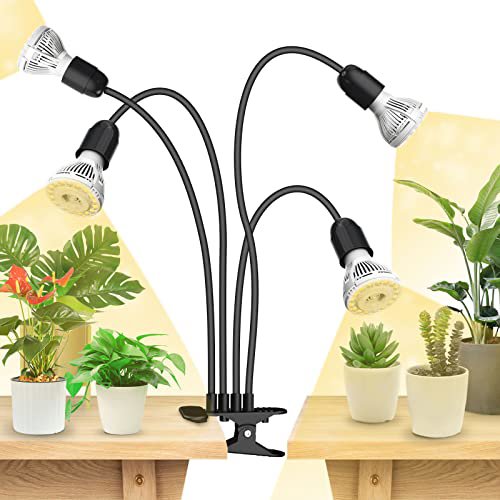
2 Supplement with a full-spectrum grow light to ensure consistent light intensity, especially if indoor light is insufficient.
3 Prune the leggy, stretched stems back to a healthier height to encourage bushier, more compact growth.
warning

Excessive Nitrogen Fertilization

High levels of nitrogen-rich fertilizers promote rapid vegetative growth, which can result in weak, spindly stems that lack structural integrity. This imbalance prioritizes foliage expansion over stem strength.

Common
lightbulb
How to confirm: Check if you have recently applied a fertilizer with a very high first number (N) on the N-P-K ratio.
build How to fix it
shopping_cart Recommended Products
1 Flush the soil with plenty of fresh water to leach out excess nitrogen salts from the root zone.
2 Prune back the leggy, weak stems to encourage bushier, more compact growth and improve structural integrity.
3 Switch to a balanced or lower-nitrogen fertilizer to prioritize stem strength and flowering over foliage expansion.
warning

Overwatering and Poor Drainage

Constant moisture in the substrate can lead to oxygen deprivation in the roots, causing stunted root development. This prevents the plant from supporting its own weight, leading to drooping and elongated, weak growth.

Common
lightbulb
How to confirm: Press your finger into the soil to see if it remains saturated several inches below the surface.
build How to fix it
shopping_cart Recommended Products
1 Immediately reduce watering frequency and allow the top inch of soil to dry out completely before watering again to prevent further root rot.
2 Repot the Salvia in a container with superior drainage and a well-aerated medium, such as a mix containing perlite, to restore oxygen to the root zone.
3 Ensure the plant is placed in a location with high light intensity to encourage stronger, more compact stem growth.
warning

High Humidity/Lack of Air Circulation

In environments with very high humidity and stagnant air, Salvia stems can grow long and weak because they lack the physical stress of airflow that encourages thicker cell walls.

Common
lightbulb
How to confirm: Check if the plant is located in a corner or area with restricted airflow and high moisture retention.
build How to fix it
shopping_cart Recommended Products
1 Increase airflow around the plant by using a small fan or moving it to a location with better air circulation to strengthen stem cell walls.
2 Prune the leggy, weak stems using sharp, clean shears to encourage bushier, more robust new growth.
3 Monitor the environment to ensure humidity levels do not remain excessively high, which can contribute to stem stretching.
local_hospital All symptoms eco All plants with leggy stems
favorite