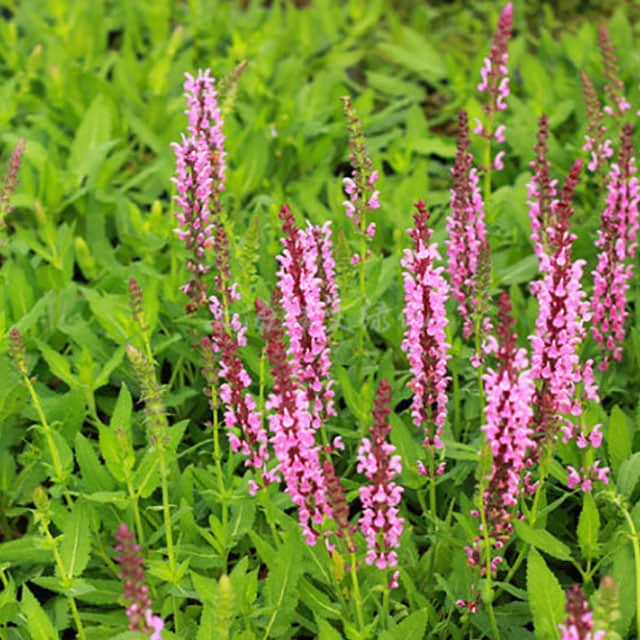
Salvia x superba Leggy Stems
eco Leggy Stems

Salvia x superba – Leggy Stems

Why does your Salvia x superba have leggy stems? Diagnose the cause and fix it with our step-by-step guide.

pets Pet Friendly

search Possible Causes

error

Insufficient Light Exposure

Salvia x superba requires full sun to maintain compact, sturdy growth. When light levels are too low, the plant undergoes etiolation, stretching its internodes rapidly to reach for a light source.

Very Common
lightbulb
How to confirm: Observe if the stems are leaning toward a window or if the foliage looks pale and thin compared to the lower nodes.
build How to fix it
shopping_cart Recommended Products
1 Relocate your Salvia to a location that receives at least 6 to 8 hours of direct sunlight daily to prevent further stretching.
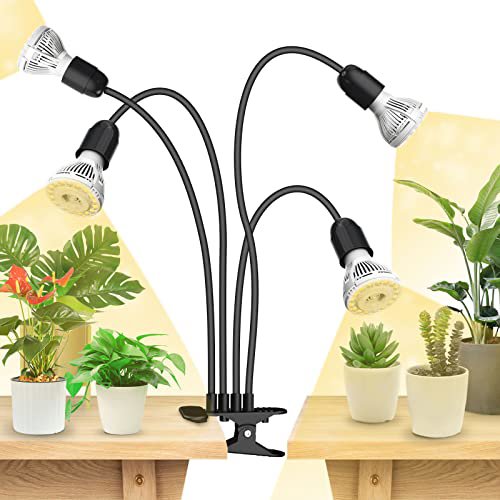
2 Supplement with a full-spectrum grow light to provide the necessary intensity for compact growth if natural sunlight is unavailable.
3 Prune back the elongated, weak stems to encourage new, bushier growth from the base.
warning

Excessive Nitrogen Fertilization

An imbalance of high nitrogen levels can trigger rapid, succulent vegetative growth. This results in soft, elongated stems that lack the structural integrity typical of mature Salvia.

Common
lightbulb
How to confirm: Review your recent fertilizer application and check if the new growth appears unusually dark green and weak.
build How to fix it
shopping_cart Recommended Products
1 Flush the soil with plenty of fresh water to leach out excess nitrogen salts from the root zone.
2 Prune back the elongated, soft stems to encourage denser, more structural growth and improve airflow.
3 Switch to a balanced or lower-nitrogen fertilizer to restore structural integrity to new growth.
warning

Lack of Deadheading or Pruning

If old flower spikes are not removed, the plant may divert energy into secondary stem elongation rather than producing compact new foliage. Over time, this leads to a sparse, 'leggy' appearance.

Common
lightbulb
How to confirm: Inspect the plant for spent, dried blooms that have not been cut back to the base of the foliage.
build How to fix it
shopping_cart Recommended Products
1 Use sharp pruning shears to remove spent flower spikes and any excessively long, weak stems to encourage bushier growth.
2 Apply a balanced liquid fertilizer to provide the necessary nutrients for new, compact foliage development.
3 Ensure the plant receives adequate sunlight, as insufficient light can also contribute to stem elongation.
warning

High Humidity and Poor Air Circulation

In overly humid environments with stagnant air, the soft tissue of Salvia x superba can expand without enough structural resistance, leading to spindly growth.

Common
lightbulb
How to confirm: Check if the plant is located in a crowded area or a space with limited airflow around its foliage.
build How to fix it
shopping_cart Recommended Products
1 Improve air circulation around the plant by using a small fan or moving it to a more open area to prevent stagnant, humid air from settling around the foliage.
2 Prune back the longest, weakest stems to encourage bushier, more structural growth and reduce the density of the foliage canopy.
3 Monitor the environment to ensure humidity levels do not remain excessively high, which can contribute to soft, spindly tissue.
local_hospital All symptoms eco All plants with leggy stems
favorite