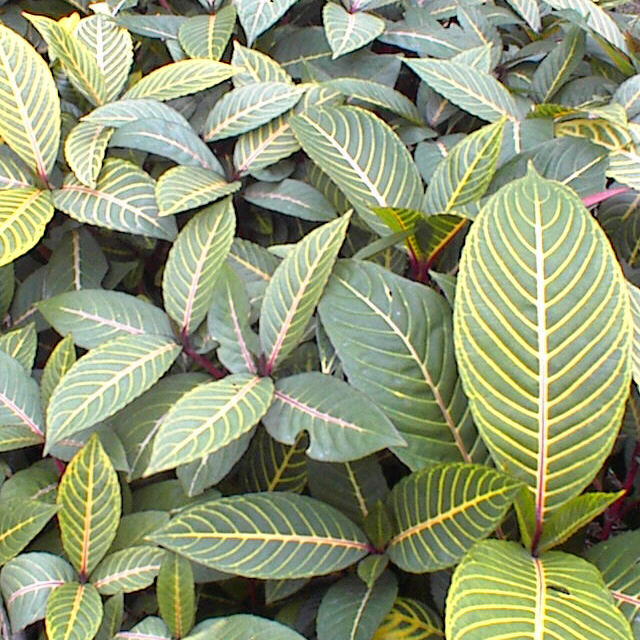
Sanchezia speciosa Yellow Leaves
eco Yellow Leaves

Sanchezia speciosa – Yellow Leaves

Why does your Sanchezia speciosa have yellow leaves? Diagnose the cause and fix it with our step-by-step guide.

search Possible Causes

error

Overwatering and Root Rot

Sanchezia speciosa is highly sensitive to stagnant moisture. Excess water in the substrate leads to anaerobic conditions, causing root decay which prevents the plant from transporting nutrients, resulting in chlorosis (yellowing).

Very Common
lightbulb
How to confirm: Gently lift the plant from its pot to check if the roots are dark, slimy, or have a foul odor.
build How to fix it
shopping_cart Recommended Products
1 Immediately remove the plant from its current pot and trim away any mushy, black, or foul-smelling decayed roots using sterilized shears.
2 Repot the plant in a fresh, well-draining substrate and ensure the new container has adequate drainage to prevent water from pooling.
3 Monitor the soil moisture levels closely using a moisture meter to ensure you only water when the top inch of soil is dry, preventing future anaerobic conditions.
error

Nitrogen Deficiency

As a heavy feeder during its growing season, Sanchezia requires consistent nitrogen. A lack of available nitrogen causes the mobile nutrient to be redistributed from older leaves to new growth, making older foliage turn yellow first.

Very Common
lightbulb
How to confirm: Observe if the yellowing is starting on the oldest, bottom leaves while the new growth remains dark green.
build How to fix it
shopping_cart Recommended Products
1 Apply a nitrogen-rich liquid fertilizer to provide immediate nutrient uptake for the plant.
2 Incorporate an organic soil amendment like worm castings into the top layer of the soil to ensure long-term nitrogen availability.
3 Monitor soil moisture levels with a meter to ensure the nitrogen-enriched water is reaching the root zone effectively.
warning

Low Humidity/Drought Stress

This species thrives in high humidity; when the air is too dry or the soil dries out completely, the plant undergoes physiological stress. This can manifest as yellowing leaves that eventually become crisp and brown at the edges.

Common
lightbulb
How to confirm: Check the moisture level of the top inch of soil and use a hygrometer to see if humidity is below 50%.
build How to fix it
shopping_cart Recommended Products
1 Increase ambient humidity around the plant by using a pebble tray or a humidifier to prevent leaf edges from crisping.
2 Monitor soil moisture levels closely to ensure the plant stays consistently moist but not waterlogged, using a moisture meter to prevent drought stress.
3 Mist the foliage regularly with a fine spray to provide immediate hydration to the leaves.
warning

Light Intensity Stress (Sunscald)

While Sanchezia loves bright light, direct, intense afternoon sun can overwhelm the leaf tissue. This thermal stress can cause chlorotic patches or overall yellowing of the leaves as the chlorophyll breaks down.

Common
lightbulb
How to confirm: Check if the yellowing is accompanied by bleached or scorched-looking spots on parts of the leaf exposed to windows.
build How to fix it
shopping_cart Recommended Products
1 Move your Sanchezia to a location with bright, indirect light, away from harsh, direct afternoon sun rays to prevent further leaf scorching.
2 Monitor the soil moisture levels closely, as light stress can often be accompanied by rapid evaporation; use a moisture meter to ensure the plant remains consistently moist but not waterlogged.
local_hospital All symptoms eco All plants with yellow leaves
favorite