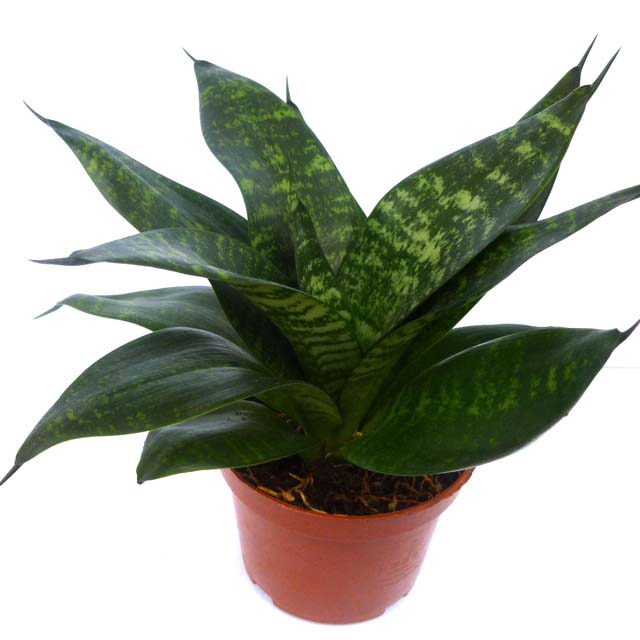
Sansevieria trifasciata hahnii Brown Leaf Tips
eco Brown Leaf Tips

Sansevieria trifasciata hahnii – Brown Leaf Tips

Why does your Sansevieria trifasciata hahnii have brown leaf tips? Diagnose the cause and fix it with our step-by-step guide.

search Possible Causes

error

Low Humidity or Dry Air

As a succulent-type plant, Sansevieria can suffer from desiccated leaf margins when indoor air is too dry, especially during winter heating seasons. This lack of moisture in the air causes the delicate edges of the leaves to crisp and turn brown.

Very Common
lightbulb
How to confirm: Check if the browning started during periods of low indoor humidity or near heat vents.
build How to fix it
shopping_cart Recommended Products
1 Increase local humidity around the plant by using a pebble tray or a humidifier to prevent further leaf desiccation.
2 Gently mist the leaves with a fine spray to provide immediate surface moisture.
3 Trim the brown, crispy tips with sterilized shears to prevent the damage from spreading further up the leaf.
error

Salt/Mineral Accumulation

Excessive buildup of fluoride, chlorine, or salts from tap water can accumulate in the leaf tissues of Hahnii varieties. As the plant transpires, these minerals concentrate at the tips, causing cellular death and browning.

Very Common
lightbulb
How to confirm: Look for a white crusty residue on the soil surface or the edges of the pot.
build How to fix it
shopping_cart Recommended Products
1 Flush the soil thoroughly with distilled or rainwater to wash away accumulated salts and minerals from the root zone.
2 Trim the brown, dead tips using sterilized shears to prevent further aesthetic decline and maintain plant health.
3 Use a moisture meter to ensure you are not overwatering, as excess moisture can exacerbate mineral concentration in the soil.
warning

Overwatering and Root Decay

While brown tips often look like dehydration, they can actually be a symptom of early-stage root rot. If the roots are suffocating from too much moisture, they lose the ability to transport water to the leaf extremities, causing them to die back.

Common
lightbulb
How to confirm: Gently press the base of the plant to see if it feels mushy or if the soil remains damp for more than a week.
build How to fix it
shopping_cart Recommended Products
1 Remove the plant from its current pot and inspect the roots for mushy, dark, or foul-smelling decay; trim away any rot using sterilized tools.
2 Repot the plant in a fresh, well-draining medium like a mix containing perlite to ensure proper aeration and prevent future waterlogging.
3 Use a moisture meter to monitor the soil, ensuring you only water when the substrate is completely dry to avoid further root suffocation.
warning

Sun Scald (Leaf Scorch)

Although Sansevieria is adaptable, sudden exposure to intense, direct afternoon sunlight can burn the tissues of this compact cultivar. This thermal stress manifests as dry, brown patches or darkened tips.

Common
lightbulb
How to confirm: Check if the plant was recently moved to a window with much higher light intensity.
build How to fix it
shopping_cart Recommended Products
1 Move your Bird's Nest Snake Plant to a location with bright, indirect light to prevent further thermal stress and leaf scorching.
2 Trim away the dry, brown tips using sterilized shears to improve the plant's aesthetic and prevent further tissue decay.
3 Monitor the soil moisture levels to ensure the plant is not also experiencing drought stress, which can exacerbate tip browning.

Other Sansevieria trifasciata hahnii problems

Your plant might also be experiencing one of these issues:

local_hospital All symptoms eco All plants with brown leaf tips
favorite